 EN
EN


Industrial facilities consume enormous amounts of energy, and many operators overlook one critical area where significant savings are possible: vacuum systems. Advanced vacuum solutions represent a transformative opportunity to reduce energy consumption while maintaining or even improving operational performance. The right vacuum solutions can cut energy costs dramatically, enhance production reliability, and support sustainability objectives that matter to both corporate leadership and environmental compliance teams.
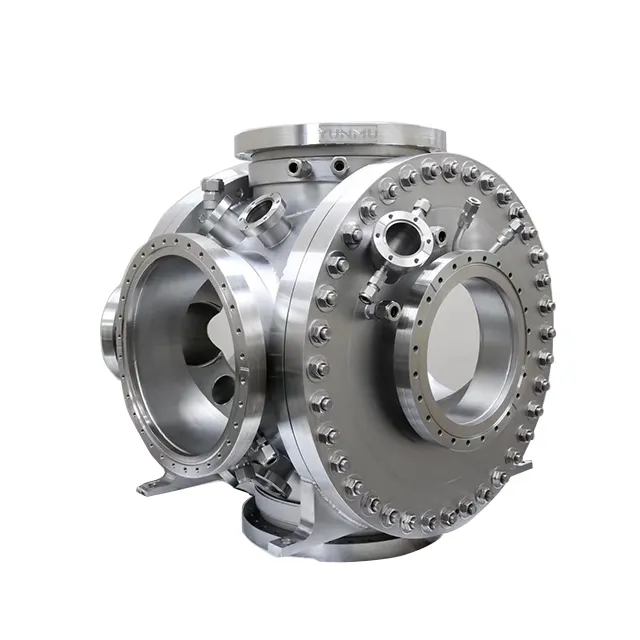
Vacuum technology has evolved significantly over the past decade, and modern vacuum solutions now deliver efficiency levels that older equipment simply cannot match. Understanding how advanced vacuum solutions work and why they reduce energy demand is essential for facility managers, procurement teams, and operations directors who bear responsibility for controlling utility expenses. This article explores the specific mechanisms by which vacuum solutions lower industrial energy consumption and provides actionable insights for decision-makers.
How Advanced Vacuum Solutions Deliver Energy Efficiency
Optimized Motor and Compressor Design
Contemporary vacuum solutions incorporate advanced motor technologies and compressor designs that minimize wasted energy and heat generation. Modern vacuum solutions feature variable frequency drives (VFDs), permanent magnet motors, and precision-engineered rotary mechanisms that operate at peak efficiency across a wider range of operating conditions. Where legacy vacuum solutions would consume constant power regardless of actual demand, advanced vacuum solutions modulate their energy draw based on real-time system requirements, preventing unnecessary energy waste during partial-load or idle periods.
Reduced Mechanical Losses and Friction
Energy losses through friction and mechanical inefficiency represent a substantial portion of total energy consumption in traditional vacuum systems. Advanced vacuum solutions implement tighter tolerances, superior bearing designs, and optimized fluid dynamics to minimize these parasitic losses. The engineering improvements in modern vacuum solutions translate directly into lower horsepower requirements and reduced thermal load, both of which decrease overall energy consumption. Facilities that upgrade from aging vacuum solutions to advanced vacuum solutions often report energy reductions of fifteen to thirty percent within the first year of operation.
Implementation Strategies for Maximum Energy Reduction
System Assessment and Right-Sizing
One critical step in deploying vacuum solutions that truly reduce energy is ensuring the system is properly sized for actual operational needs. Many industrial facilities operate oversized vacuum solutions that run continuously at partial capacity, wasting energy unnecessarily. Advanced vacuum solutions should be specified based on detailed demand analysis rather than rule-of-thumb sizing. When facility engineers conduct thorough assessments before installing vacuum solutions, they can select equipment that meets peak demand without excessive oversizing, yielding immediate energy savings and faster ROI on capital investment in new vacuum solutions.
Integration with Monitoring and Control Systems
Smart vacuum solutions equipped with IoT sensors and remote monitoring capabilities provide operators with real-time visibility into system performance and energy consumption patterns. Advanced vacuum solutions can be integrated into facility-wide energy management systems, enabling automated response to changing operational demands. Predictive maintenance features in modern vacuum solutions prevent efficiency degradation and reduce unplanned downtime. Facilities that implement vacuum solutions with integrated control systems achieve superior energy performance compared to standalone equipment, as the system can continuously optimize its operation to match facility requirements.
Business and Environmental Impact of Energy-Efficient Vacuum Solutions
Return on Investment and Cost Savings
The financial case for upgrading to advanced vacuum solutions is compelling. Energy savings from efficient vacuum solutions typically pay back capital investment within two to four years, depending on current energy rates and usage patterns. Beyond simple payback, vacuum solutions that reduce energy consumption lower operating costs for the facility's entire remaining service life. A well-specified system of vacuum solutions can operate twenty years or longer, meaning decades of reduced energy bills. For large industrial operations, annual energy savings from efficient vacuum solutions often exceed one hundred thousand dollars or more.
Environmental and Regulatory Benefits
Reducing energy consumption through vacuum solutions directly lowers a facility's carbon footprint and greenhouse gas emissions associated with energy production. Many industrial sectors face increasing regulatory pressure to demonstrate progress on sustainability metrics. Vacuum solutions that consume less energy help facilities meet corporate environmental commitments, support regulatory compliance initiatives, and improve competitive positioning with environmentally conscious customers. Documentation of energy savings from advanced vacuum solutions provides evidence of sustainability commitment that resonates with stakeholders and may qualify facilities for utility rebates or tax incentives.
FAQ
What types of industries benefit most from advanced vacuum solutions?
Industries with continuous or high-duty vacuum requirements see the greatest energy savings from advanced vacuum solutions. Semiconductor manufacturing, pharmaceutical production, food processing, chemical processing, and packaging operations all benefit substantially from efficient vacuum solutions. Any facility that operates vacuum equipment for more than a few hours daily will likely recover the investment in advanced vacuum solutions through energy savings alone.
How quickly can energy savings be realized after installing vacuum solutions?
Energy savings from advanced vacuum solutions appear immediately upon system startup. Facilities typically see measurable reductions in power consumption and utility bills within the first billing period after installation of efficient vacuum solutions. The full magnitude of savings may become clearer after several months of operation as seasonal variations and operational patterns stabilize.
Are there maintenance differences between standard and advanced vacuum solutions?
Advanced vacuum solutions often require less frequent maintenance than older equipment due to superior engineering and materials. Modern vacuum solutions typically feature sealed bearings, corrosion-resistant components, and longer service intervals. Some manufacturers of advanced vacuum solutions offer predictive maintenance capabilities that further reduce downtime and extend equipment life compared to traditional vacuum solutions.