 EN
EN

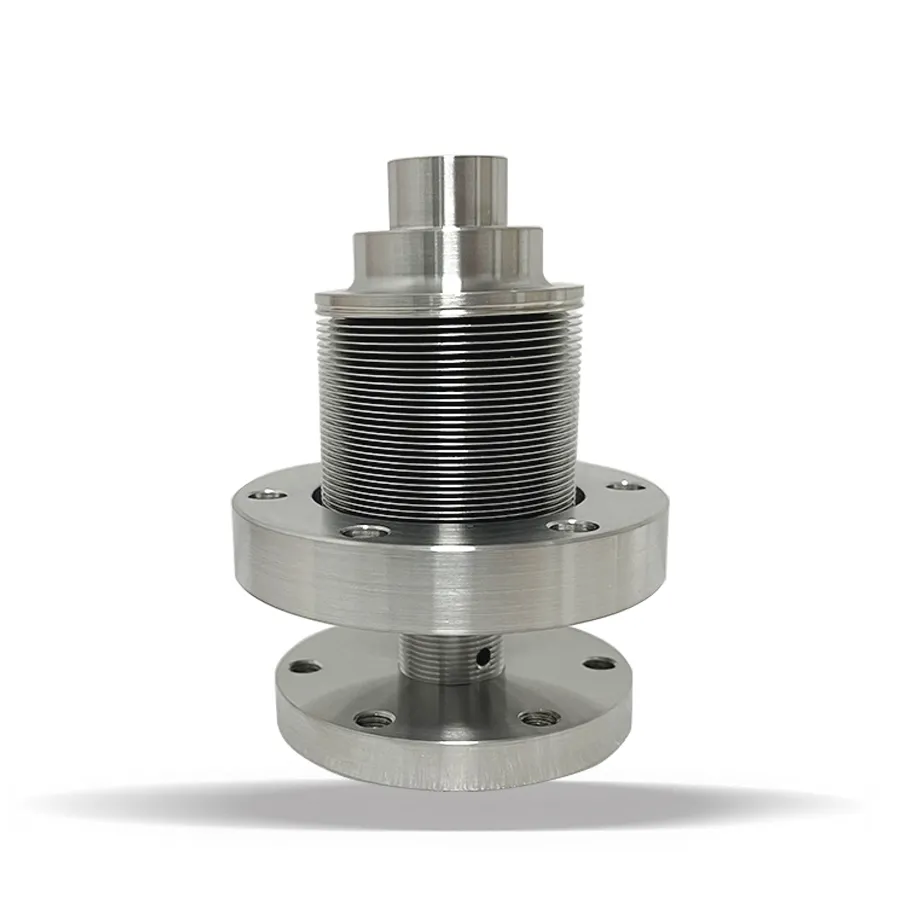
Across modern manufacturing and processing environments, industrial vacuum equipment has become a foundational technology rather than a supplementary tool. From removing contaminants in cleanroom environments to driving critical process steps in chemical refineries, the demand for reliable vacuum systems continues to grow as industries push for higher precision, cleaner outputs, and more efficient operations. Understanding which sectors derive the greatest value from this technology helps procurement managers, engineers, and operations leaders make smarter investment decisions.
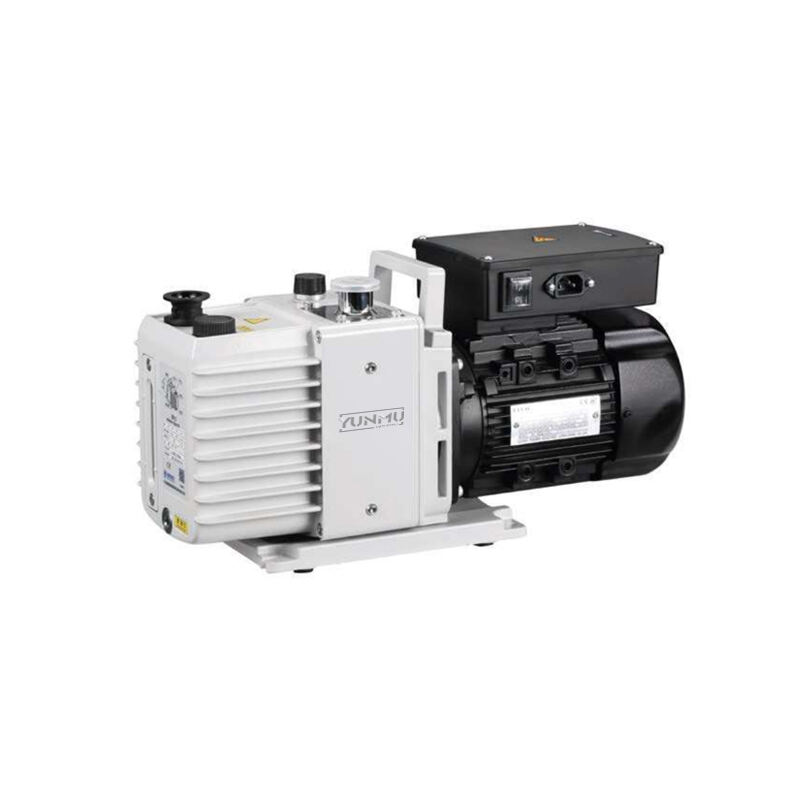
The range of industries that rely on industrial vacuum equipment today is broader than many people assume. While manufacturing and food processing are commonly cited, sectors such as pharmaceuticals, electronics, aerospace, and environmental services have developed equally deep dependencies on vacuum technology. Each industry brings its own performance requirements, regulatory constraints, and operational contexts that shape how industrial vacuum equipment is selected, configured, and maintained. This article examines the industries that benefit most and explains why vacuum technology is so central to their operations.
Manufacturing and Metalworking
Vacuum Systems in Metal Forming and Cutting
The metalworking sector is one of the oldest and most consistent users of industrial vacuum equipment. Vacuum systems are used extensively in processes such as vacuum forming, sintering, heat treatment, and degassing of molten metals. These applications require stable, deep vacuum levels that can be maintained over extended production cycles without fluctuation. Any instability in vacuum pressure during metal forming can result in surface defects, dimensional inaccuracies, or structural weaknesses in the finished component.
In CNC machining environments, industrial vacuum equipment is used to hold workpieces securely on vacuum chucks and fixtures. This approach eliminates the need for mechanical clamps that can distort thin or delicate parts, making it especially valuable when machining aluminum sheets, composite panels, or precision-ground components. The holding force provided by vacuum is uniform and adjustable, which gives operators greater control over the machining process.
Vacuum-assisted cutting and welding processes also benefit from reduced oxidation, which improves weld quality and extends tool life. Industrial vacuum equipment in these contexts is not simply a convenience — it is a direct contributor to product quality and process repeatability.
Foundry and Casting Applications
In foundry operations, industrial vacuum equipment plays a critical role in investment casting and vacuum-assisted casting processes. By evacuating air from molds before and during metal pour, vacuum systems reduce porosity and gas entrapment in cast components. This is particularly important in aerospace and automotive casting, where structural integrity requirements are stringent and defect tolerances are extremely tight.
Vacuum degassing of aluminum and steel melts is another high-value application. Dissolved hydrogen and other gases in molten metal can cause internal voids and surface blistering in finished castings. Industrial vacuum equipment removes these gases before solidification, resulting in denser, stronger, and more dimensionally stable parts. The return on investment in vacuum degassing systems is typically measured in reduced scrap rates and improved mechanical properties.
Pharmaceutical and Life Sciences
Vacuum in Drug Manufacturing Processes
The pharmaceutical industry depends on industrial vacuum equipment at multiple stages of drug production. Vacuum drying is used to remove solvents from active pharmaceutical ingredients without exposing heat-sensitive compounds to temperatures that could degrade their efficacy. This process must be conducted under precisely controlled vacuum conditions to ensure consistent moisture content and particle characteristics in the final product.
Freeze-drying, also known as lyophilization, is another pharmaceutical process that relies entirely on industrial vacuum equipment. In this process, water is removed from a frozen product by sublimation under high vacuum, preserving the biological activity of vaccines, proteins, and other sensitive biologics. The vacuum systems used in lyophilization must maintain extremely low pressures over long processing cycles, placing high demands on pump reliability and leak integrity.
Tablet coating, granulation, and distillation processes in pharmaceutical plants also incorporate industrial vacuum equipment to control reaction conditions, recover solvents, and maintain sterile processing environments. Regulatory compliance in this sector means that vacuum systems must be validated, documented, and maintained to strict standards.
Laboratory and Research Environments
Beyond production floors, pharmaceutical and life sciences research facilities use industrial vacuum equipment for filtration, evaporation, and sample preparation. Rotary evaporators, vacuum ovens, and filtration manifolds are standard laboratory tools that depend on consistent vacuum performance. In research contexts, the reproducibility of experimental results often depends directly on the stability and accuracy of the vacuum system in use.
Biotech companies developing cell therapies and gene therapies require cleanroom-compatible industrial vacuum equipment that does not introduce contamination or generate particles that could compromise sensitive biological materials. This has driven demand for oil-free and dry vacuum technologies in life sciences environments where contamination control is paramount.
Electronics and Semiconductor Manufacturing
Vacuum Deposition and Thin Film Processes
The electronics industry is among the most technically demanding users of industrial vacuum equipment. Semiconductor fabrication relies on vacuum environments for processes including physical vapor deposition, chemical vapor deposition, ion implantation, and plasma etching. Each of these processes requires vacuum levels ranging from rough vacuum to ultra-high vacuum, depending on the specific application and the sensitivity of the materials involved.
In thin film deposition, industrial vacuum equipment creates the controlled environment necessary for atoms and molecules to travel from a source to a substrate without colliding with air molecules. The quality of the deposited film — its uniformity, adhesion, and electrical properties — is directly dependent on the vacuum level achieved and maintained during the process. Even minor vacuum fluctuations can result in film defects that render semiconductor devices non-functional.
Display manufacturing for flat panel screens, OLED panels, and solar cells also relies heavily on industrial vacuum equipment. The deposition of transparent conductive oxides, organic light-emitting layers, and anti-reflective coatings all require vacuum processing chambers that can be evacuated quickly and held at stable pressures throughout production runs.
PCB and Component Assembly
At the assembly level, industrial vacuum equipment is used in pick-and-place machines that handle surface-mount components. Vacuum nozzles pick up tiny electronic components and place them precisely on printed circuit boards at high speed. The reliability of this process depends on consistent vacuum pressure at the nozzle tip, which requires well-maintained vacuum systems capable of rapid cycling.
Vacuum reflow soldering and vacuum lamination of multilayer PCBs are additional applications where industrial vacuum equipment contributes to product quality. By removing air bubbles from solder joints and adhesive layers, vacuum processing improves the mechanical and electrical reliability of finished circuit boards, which is critical in automotive electronics, aerospace avionics, and medical devices.
Food Processing and Packaging
Vacuum Packaging and Shelf Life Extension
The food industry is one of the largest volume users of industrial vacuum equipment globally. Vacuum packaging removes oxygen from food packages, dramatically slowing the growth of aerobic bacteria and oxidative spoilage. This extends the shelf life of fresh meats, cheeses, processed foods, and ready-to-eat meals without the need for additional preservatives, which aligns with consumer demand for cleaner ingredient labels.
Industrial vacuum equipment used in food packaging must meet strict hygiene standards, including resistance to washdown procedures, compatibility with food-safe materials, and the ability to operate in cold and humid environments. Vacuum pump systems in food plants are often required to handle moisture-laden air without degrading performance, which influences the choice of pump technology and maintenance protocols.
Modified atmosphere packaging, which combines vacuum with controlled gas mixtures, also depends on industrial vacuum equipment to first evacuate the package before backfilling with nitrogen, carbon dioxide, or other protective gases. This technique is widely used for fresh produce, bakery products, and snack foods.
Vacuum Cooking and Processing
Sous vide cooking at industrial scale uses vacuum-sealed pouches to cook food at precisely controlled temperatures. Industrial vacuum equipment seals the pouches and ensures that heat transfer during cooking is uniform and efficient. This technique is used by large-scale food manufacturers and catering operations to produce consistent, high-quality cooked products with extended refrigerated shelf life.
Vacuum evaporation and concentration processes in the dairy, juice, and sauce industries use industrial vacuum equipment to remove water from liquid products at lower temperatures than atmospheric evaporation. This preserves flavor compounds, vitamins, and other heat-sensitive constituents that would be degraded by conventional high-temperature evaporation. The energy efficiency of vacuum evaporation also makes it economically attractive for high-volume food processing operations.
Chemical Processing and Environmental Services
Distillation, Drying, and Reaction Control
Chemical manufacturers use industrial vacuum equipment to conduct distillation at reduced pressures, enabling the separation of compounds that would decompose or react undesirably at the temperatures required for atmospheric distillation. Vacuum distillation is essential in the production of specialty chemicals, fragrances, pharmaceutical intermediates, and petroleum fractions. The ability to lower boiling points through vacuum allows chemists and process engineers to work with thermally sensitive materials safely and efficiently.
Vacuum drying of chemical powders, crystals, and granules is another major application. Industrial vacuum equipment removes residual solvents and moisture from chemical products to meet purity specifications and prevent caking or degradation during storage. Tray dryers, rotary vacuum dryers, and paddle dryers all depend on reliable vacuum systems to achieve the required dryness levels within acceptable cycle times.
In reactor systems, industrial vacuum equipment is used to degas reactants, remove reaction byproducts, and control the pressure environment during synthesis. Precise vacuum control in chemical reactors can influence reaction selectivity, yield, and safety, making vacuum system performance a direct factor in process economics.
Environmental Remediation and Waste Management
Environmental services companies use industrial vacuum equipment for soil vapor extraction, which removes volatile organic compounds from contaminated soil and groundwater. Vacuum extraction systems draw contaminated vapors through extraction wells to the surface, where they can be treated and safely discharged. This technique is widely used at industrial sites, former fuel storage locations, and areas affected by solvent spills.
Industrial vacuum equipment is also central to vacuum tanker operations used for collecting liquid waste, sludge, and hazardous materials from industrial facilities. These mobile vacuum systems must handle abrasive, corrosive, and viscous materials under demanding field conditions. The reliability and suction capacity of the vacuum equipment directly determines the productivity and safety of waste collection operations.
FAQ
What types of industrial vacuum equipment are most commonly used across industries?
The most widely used types of industrial vacuum equipment include rotary vane vacuum pumps, liquid ring pumps, dry screw pumps, and roots blowers. Rotary vane pumps are valued for their ability to achieve deep vacuum levels and are used across pharmaceuticals, electronics, and laboratory applications. Liquid ring pumps are preferred in wet or corrosive process environments such as chemical plants and food processing. Dry screw and claw pumps are increasingly popular where oil contamination must be avoided, such as in semiconductor fabrication and food contact applications.
How do industries select the right industrial vacuum equipment for their processes?
Selection of industrial vacuum equipment depends on several factors including the required vacuum level, the volume of gas to be handled, the nature of the process gases or vapors involved, and the operating environment. Industries with strict contamination requirements, such as pharmaceuticals and electronics, typically prioritize oil-free vacuum technologies. Industries handling corrosive or wet gases, such as chemical processing, often select liquid ring or chemically resistant dry pumps. Energy efficiency, maintenance requirements, and total cost of ownership are also important selection criteria in high-volume industrial applications.
How does industrial vacuum equipment contribute to product quality in manufacturing?
Industrial vacuum equipment contributes to product quality by creating controlled process environments that reduce contamination, improve material properties, and enable precision operations that are not achievable under atmospheric conditions. In metalworking, vacuum prevents oxidation and removes dissolved gases that cause defects. In electronics, vacuum enables the deposition of thin films with precise electrical properties. In food processing, vacuum extends shelf life and preserves nutritional value. In each case, the performance and reliability of the industrial vacuum equipment directly determines the consistency and quality of the finished product.
What maintenance practices are critical for industrial vacuum equipment in demanding industries?
Maintaining industrial vacuum equipment in demanding industrial environments requires regular monitoring of vacuum levels, oil condition in oil-sealed pumps, filter integrity, and seal performance. Scheduled oil changes and filter replacements prevent contamination of process gases and protect pump internals from wear. In pharmaceutical and food applications, vacuum systems must also be cleaned and validated according to regulatory requirements. Predictive maintenance approaches, including vibration analysis and performance trending, help identify developing faults before they cause unplanned downtime, which is particularly important in continuous production environments where vacuum system failures can halt entire production lines.
Table of Contents
- Manufacturing and Metalworking
- Pharmaceutical and Life Sciences
- Electronics and Semiconductor Manufacturing
- Food Processing and Packaging
- Chemical Processing and Environmental Services
-
FAQ
- What types of industrial vacuum equipment are most commonly used across industries?
- How do industries select the right industrial vacuum equipment for their processes?
- How does industrial vacuum equipment contribute to product quality in manufacturing?
- What maintenance practices are critical for industrial vacuum equipment in demanding industries?