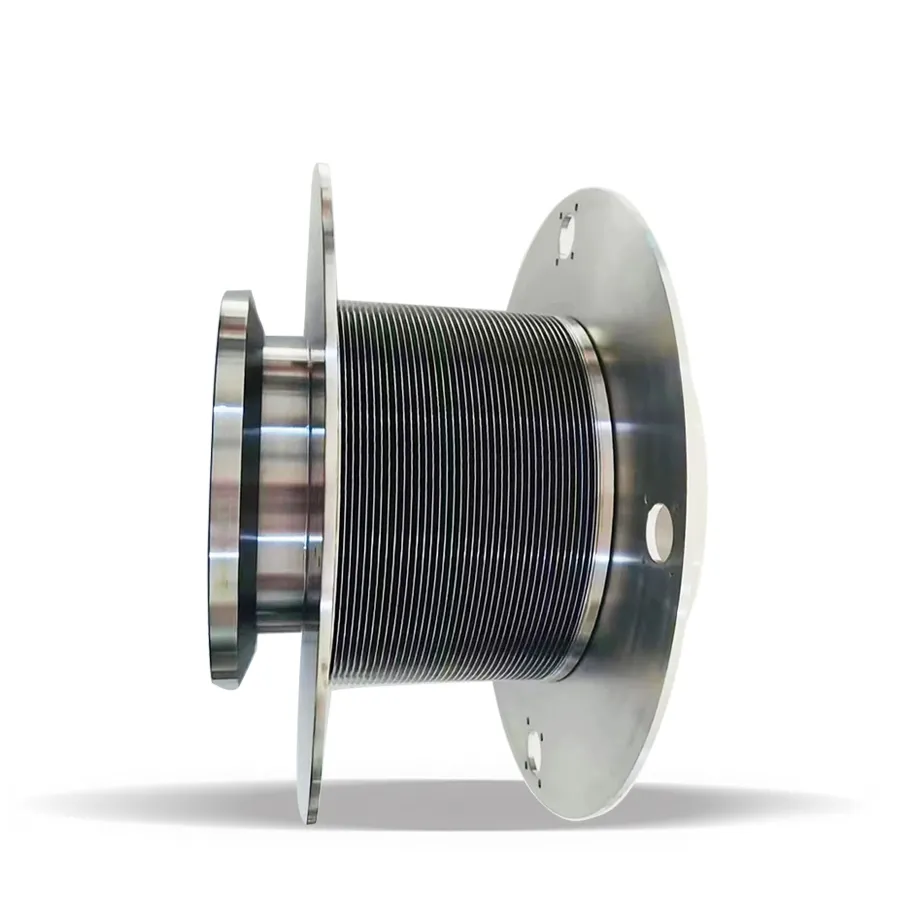
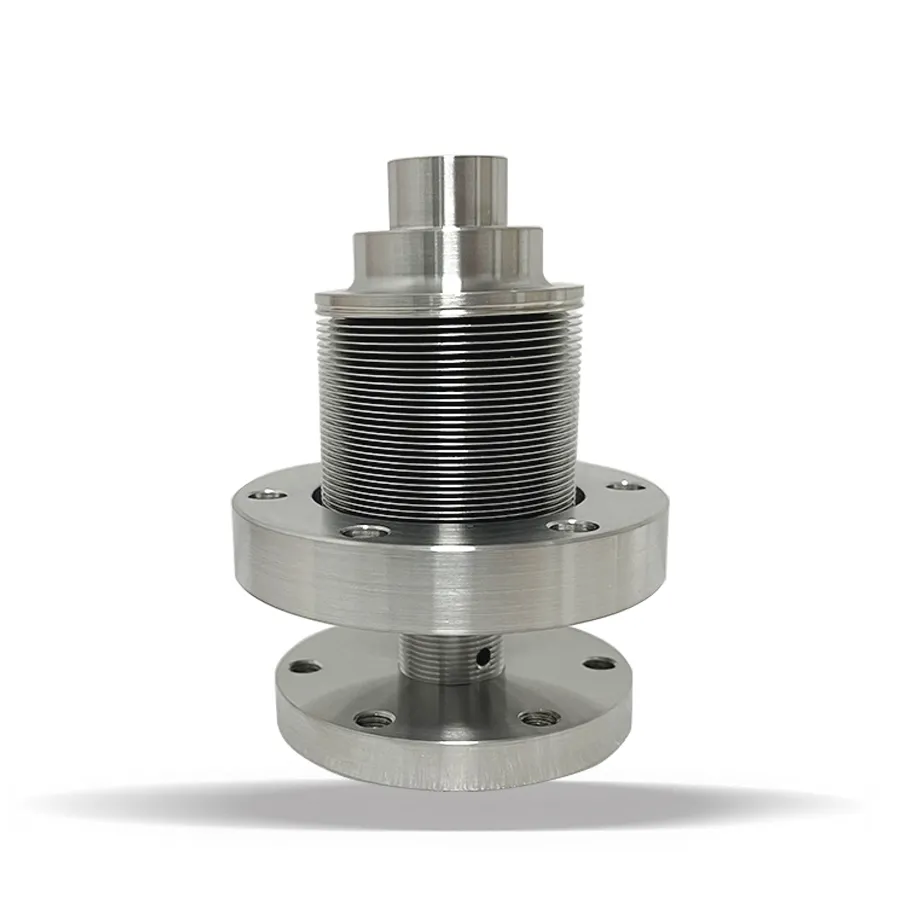
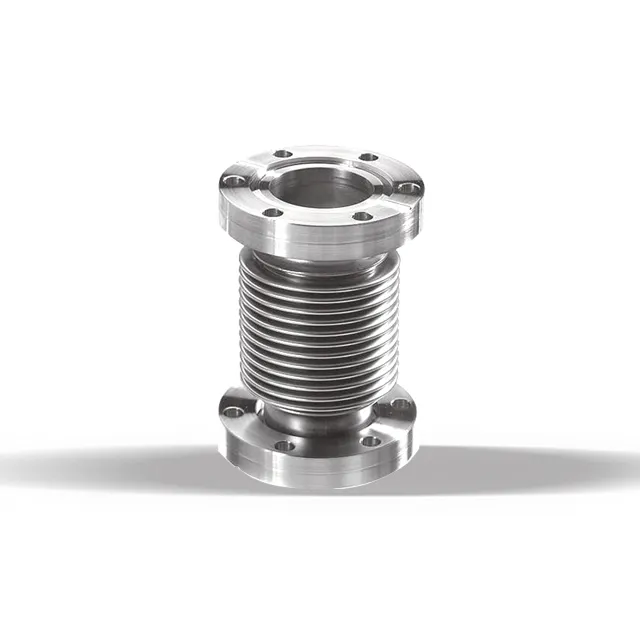
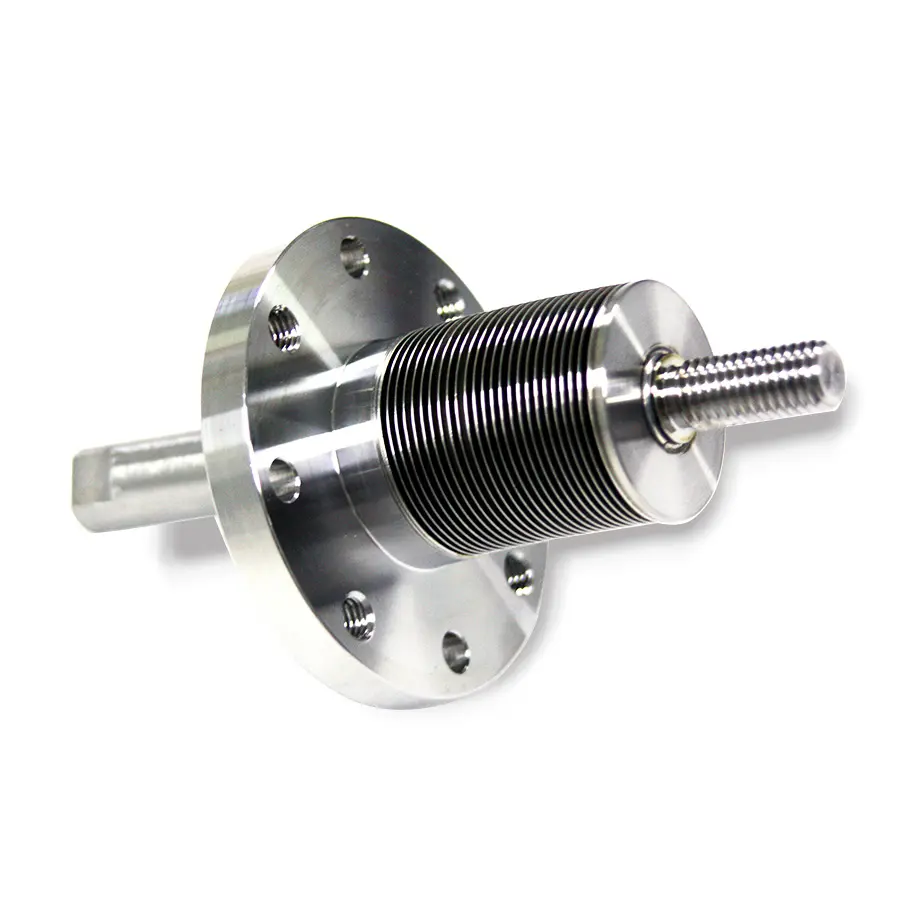
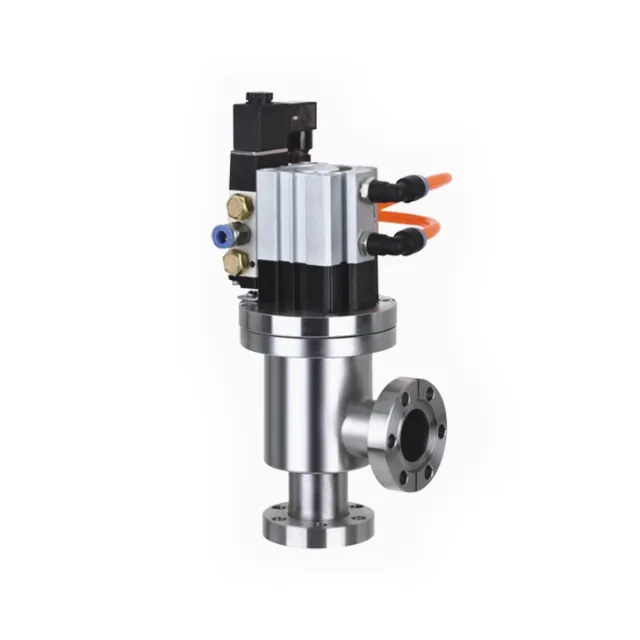
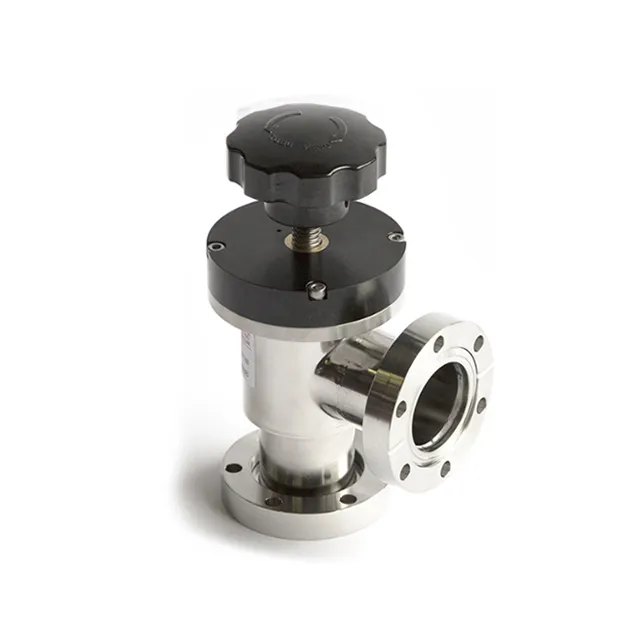
valvola per pompa a vuoto
Una valvola per pompa a vuoto è un componente critico progettato per controllare il flusso di gas e mantenere i livelli di pressione desiderati all'interno dei sistemi a vuoto. Questa valvola specializzata opera in sinergia con le pompe a vuoto per regolare l'ingresso d'aria, isolare le camere e garantire prestazioni ottimali del sistema in varie applicazioni industriali. La valvola per pompa a vuoto svolge numerose funzioni essenziali, tra cui la prevenzione del reflusso quando la pompa cessa il suo funzionamento, la protezione della pompa dalla pressione atmosferica e l'abilitazione di un controllo preciso dei livelli di vuoto. Dal punto di vista tecnologico, queste valvole presentano materiali di costruzione robusti, quali acciaio inossidabile, alluminio o polimeri specializzati, in grado di resistere alle condizioni estreme tipiche degli ambienti a vuoto. Incorporano meccanismi di tenuta avanzati per impedire perdite d'aria e preservare l'integrità del sistema. I moderni design di valvole per pompa a vuoto includono spesso controlli automatizzati, sistemi di azionamento elettronico e funzionalità di monitoraggio per migliorare l'efficienza operativa. La costruzione della valvola comprende tipicamente componenti quali corpo valvola, sedi, steli e attuatori, tutti progettati per garantire prestazioni affidabili sotto differenti gradienti di pressione. Le applicazioni dei sistemi di valvole per pompa a vuoto coprono numerosi settori industriali, tra cui la produzione di semiconduttori, la fabbricazione farmaceutica, l'imballaggio alimentare, la ricerca scientifica in laboratorio, la lavorazione chimica e l'automazione industriale. Nella fabbricazione di semiconduttori, queste valvole mantengono condizioni di ultra-alto vuoto indispensabili per la produzione di chip. Le aziende farmaceutiche si affidano alla tecnologia delle valvole per pompa a vuoto per i processi di liofilizzazione e per l'imballaggio sterile. Il settore alimentare utilizza tali valvole per l'imballaggio sottovuoto al fine di prolungare la durata di conservazione dei prodotti, mentre i laboratori di ricerca ne dipendono per strumenti analitici e configurazioni sperimentali che richiedono ambienti a vuoto controllati.
 EN
EN