 EN

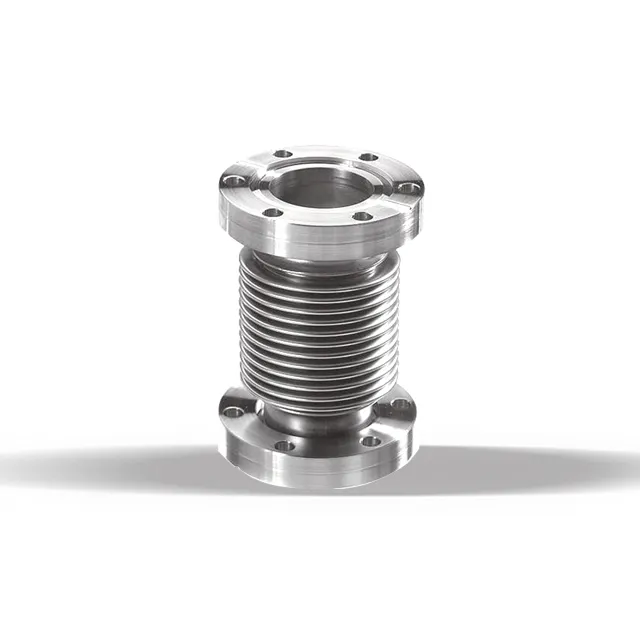
Industrial test results are only useful when they reflect the product or material being evaluated, rather than uncontrolled changes in the surrounding environment. A vacuum chamber helps testing teams control pressure and isolate samples, making it easier to identify how components respond under defined conditions. Used thoughtfully, a vacuum chamber can reduce sources of variation and improve the consistency of measurements.
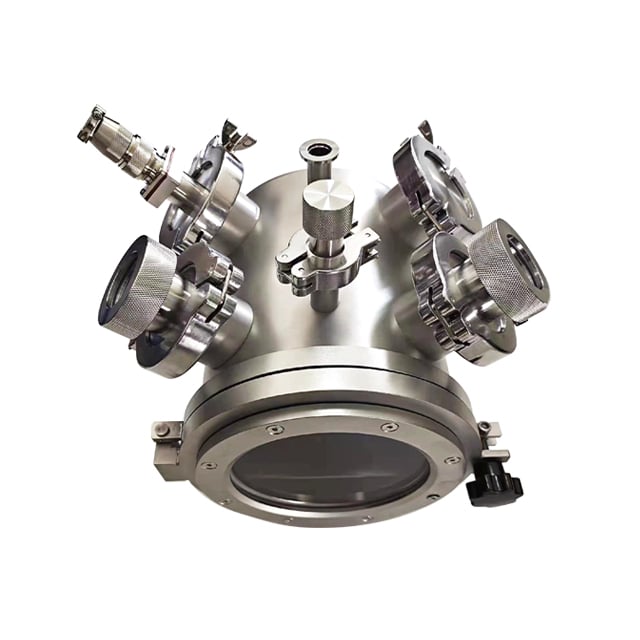
Accuracy does not come from enclosure alone. Teams need a suitable test method, stable instrumentation, and a vacuum chamber configured for the required pressure range and sample size. The sections below explain how pressure control, repeatable procedures, and sound equipment selection can help industrial testing produce more dependable results.
Control test conditions to reduce measurement variation
Manage pressure as a defined test variable
Ambient air can affect a test through pressure, moisture, and gas interactions. A vacuum chamber allows operators to lower pressure to a specified level, helping them examine a product in a controlled environment instead of relying on changing room conditions. This matters when test outcomes depend on trapped gas, outgassing, leakage, or a material’s behavior at reduced pressure.
A vacuum chamber also makes pressure an observable part of the test plan. Operators can record the target level, stabilization period, and pressure changes during exposure, then compare those readings with measurement results. That record helps distinguish a real product response from a test that drifted because the chamber had not reached the intended condition.
Limit environmental influences on the sample
Removing much of the surrounding air can reduce unwanted convection and limit the influence of atmospheric gases. In a vacuum chamber, this can help teams study heat transfer, material behavior, or component performance without some of the effects that complicate open-air testing. The specific benefit depends on the sample and the test objective, so conditions should be selected deliberately.
A vacuum chamber is not a universal fix for every source of uncertainty. Fixtures can conduct heat, sensors can respond slowly, and seals or feedthroughs may affect the conditions being measured. Identifying these influences before a test allows engineers to separate environmental effects from instrument or setup effects and interpret the findings more accurately.
Build repeatable test procedures and reliable measurements
Standardize evacuation and stabilization
A repeatable cycle starts with a consistent loading method, a documented pump-down sequence, and a defined point at which readings begin. Operators using a vacuum chamber should allow the pressure to stabilize before collecting data when the test method calls for it. Without that pause, results from separate runs may represent different pressure conditions rather than a meaningful sample difference.
The procedure should also specify how the sample is positioned and how long it remains under test conditions. Inside a vacuum chamber, small changes in placement can affect sensor contact, thermal paths, or exposure. Clear setup instructions help different technicians reproduce the arrangement, improving comparisons across shifts, production lots, and development stages.
Match sensors and records to the test objective
Pressure measurement should suit the intended operating range, and instruments should be calibrated and maintained according to the test program. A vacuum chamber can provide a controlled space, but it cannot compensate for an unsuitable gauge, poorly placed sensor, or incomplete calibration record. Matching measurement tools to the required accuracy makes the results more useful.
Capture chamber pressure, sample temperature where relevant, test duration, and any observed anomalies alongside the main result. When a vacuum chamber run produces an unexpected reading, these details give engineers a basis for checking whether the cause was the product, the environment, or the procedure. Traceable records also support repeat testing and quality reviews.
Select and operate equipment for the accuracy required
Fit chamber configuration to the sample and method
The appropriate vacuum chamber depends on sample dimensions, access needs, target pressure, and the instruments that must connect to the test space. A chamber that is too small can constrain fixtures or airflow paths, while an unnecessarily large volume may change evacuation time and operating demands. Assessing the real test arrangement helps avoid configuration-related inconsistency.
Consider chamber material, door or seal design, ports, and internal clearance in relation to the procedure. If a vacuum chamber needs electrical or sensor feedthroughs, verify that their placement supports the measurement plan and does not obstruct sample handling. A configuration suited to the test makes it easier to maintain a stable setup across repeated evaluations.
Verify performance and address limitations
Before relying on results, verify that the vacuum chamber reaches and holds the required pressure under representative loading. Check for leaks, inspect sealing surfaces, and confirm that the pressure reading is stable during the relevant portion of the cycle. These checks help reveal whether an apparent sample failure may actually reflect chamber performance or maintenance needs.
Testing accuracy also depends on choosing conditions that represent the intended application. A vacuum chamber can reproduce reduced-pressure environments, but it does not automatically recreate every field condition, such as vibration or combined thermal stresses. Engineers should document what the test represents, what it excludes, and how those limits affect decisions about product performance.
For teams evaluating enclosure options, a vacuum chamber should be assessed against the test method rather than selected by appearance alone. Review the available space, required ports, sample handling, and operating range with the measurement plan in view. That practical review supports a chamber setup that can produce repeatable evidence for engineering or quality decisions.
FAQ
How does a vacuum chamber improve industrial testing accuracy?
A vacuum chamber helps control pressure and reduce some environmental influences that can vary between tests. When operators also standardize setup, stabilization, and measurement, the controlled conditions make results easier to compare and interpret.
Does a vacuum chamber guarantee accurate results?
No. A vacuum chamber creates a controlled test space, but accuracy still depends on calibrated instruments, suitable fixtures, sound procedures, and leak checks. The test conditions must also represent the question the team needs to answer.
What should be checked before a test begins?
Confirm that the vacuum chamber is clean, the seals and connections are in good condition, and the pressure measurement system is suitable for the target range. Verify the sample position, test cycle, stabilization criteria, and required records before collecting data.