 EN

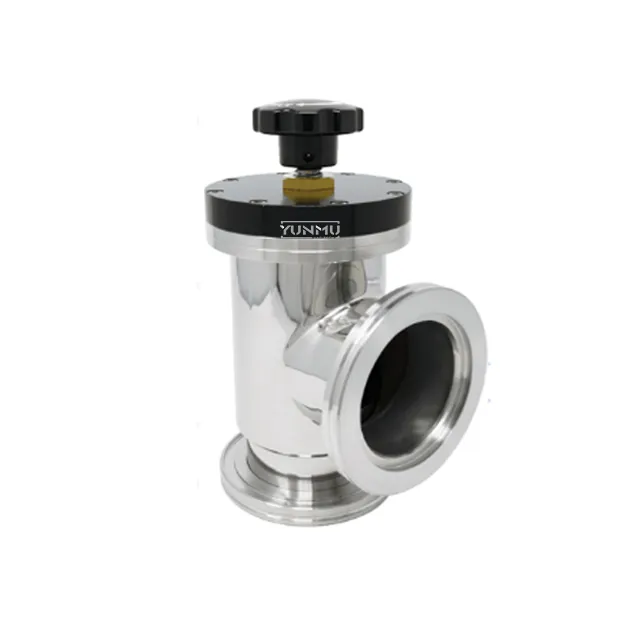
Choosing a Vacuum Gate Valve starts with the application, not simply the pipe size. Chamber pressure, gas composition, installation space, and how often the line opens all shape the right choice. A Vacuum Gate Valve used for routine isolation may face very different demands from one installed in a process tool that cycles frequently or handles sensitive gases.
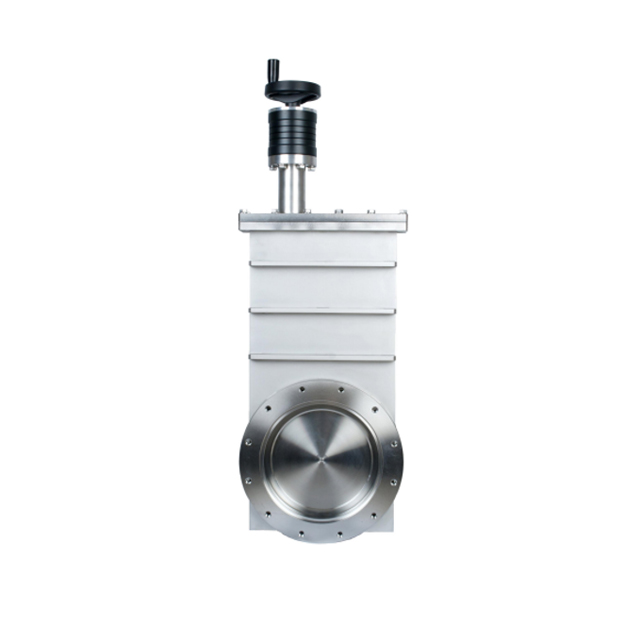
The practical goal is to match valve construction and operation to system conditions while avoiding unnecessary complexity. This guide compares application needs by pressure range, process exposure, cycle frequency, and maintenance access. Use each factor to assess whether a Vacuum Gate Valve fits the service, and confirm critical limits against the product documentation before specifying the component.
Application conditions for a Vacuum Gate Valve
Pressure range and conductance needs
Begin by identifying the operating and base pressure at the valve location, as well as the pressure difference it must isolate. A Vacuum Gate Valve should be evaluated in the context of the full chamber and pumping arrangement, not as an isolated part. Its opening can affect conductance, so a Vacuum Gate Valve sized too narrowly may constrain flow and slow pump-down.
Consider whether the system needs a clear, unobstructed passage when open. In deposition, analytical, and large-chamber equipment, the Vacuum Gate Valve may sit between a chamber and a pump or process module. Compare the port size with connected equipment and review expected gas loads. A Vacuum Gate Valve selection should account for both normal operation and the pressure conditions present during isolation.
Gas, temperature, and cleanliness
Process media can change which sealing materials and body construction are appropriate. Determine whether the Vacuum Gate Valve will see corrosive gases, condensable vapors, particulates, or cleaning residues. A Vacuum Gate Valve exposed to reactive chemistry needs material compatibility checks, while a clean, dry vacuum line may place more emphasis on low contamination risk and straightforward chamber integration.
Temperature also matters at the mounting point and during bakeout or cleaning. Confirm the allowable temperature for the complete assembly, including seals and any actuator, rather than relying on a body-material assumption. For a Vacuum Gate Valve in a temperature-sensitive installation, verify thermal limits and operating instructions. These checks help prevent a mismatch between process conditions and the valve’s actual service envelope.
Matching valve operation to equipment duty
Manual isolation and operator access
A manual valve can suit systems where operators can reach the installation and isolation is occasional or part of a deliberate maintenance sequence. Choose a Vacuum Gate Valve with a practical handle position and enough clearance for full travel. In a compact skid, assess nearby panels, piping, and chamber doors before deciding where the Vacuum Gate Valve will be installed.
Manual operation also makes sense when the process does not require remote interlocks or automated timing. The operating procedure should make the Vacuum Gate Valve state easy to verify and should specify when isolation is permitted. If technicians must access the valve during service, leave room for inspection and removal. A Vacuum Gate Valve that is physically accessible is easier to maintain consistently.
Frequent cycling and system integration
For frequent cycles, examine the expected operating rate, control method, and consequences of a delayed or incomplete valve movement. A Vacuum Gate Valve used in an automated process may need actuator and control compatibility, position feedback, or an interlock strategy. Confirm these requirements at the equipment design stage, since a Vacuum Gate Valve is only one part of the control chain.
In applications with occasional manual operation, an automated configuration may add unnecessary controls and maintenance points. Conversely, an operator-dependent Vacuum Gate Valve can interrupt a repeatable production sequence if the process requires remote command. Match actuation to actual duty, and document normal and emergency states. Reviewing the control sequence alongside the Vacuum Gate Valve specification helps reveal integration gaps before installation.
Selection and installation for dependable service
Port geometry, materials, and mounting
Compare connection standard, nominal size, orientation, and available installation length with the chamber drawing. The Vacuum Gate Valve must align with adjoining ports without imposing avoidable stress on the flange or body. Check whether adjacent equipment restricts access to fasteners or operating components. A Vacuum Gate Valve specified correctly on paper can still create installation problems if clearance and support are overlooked.
Material selection should reflect the process environment, cleaning method, and expected exposure during maintenance. Review body and seal information together, then confirm that the Vacuum Gate Valve is compatible with the gas and temperature envelope. If the system needs stainless-steel construction or bellows sealing, verify the exact configuration and its rated conditions. Do not infer suitability from a general product category alone.
Maintenance planning and final fit
Before purchase, map how the Vacuum Gate Valve will be inspected, isolated, and replaced. Identify whether technicians can reach seals, fasteners, and any actuator without dismantling nearby equipment. Keep the service interval and spare-parts strategy consistent with operating experience and supplier documentation. These details make the Vacuum Gate Valve choice part of a maintainable system design rather than a one-time sizing exercise.
A useful final review compares the application against pressure, conductance, media compatibility, temperature, cycle rate, actuation, connection, and access. A manual bellows-sealed option may fit a serviceable installation where controlled operator isolation is appropriate; a different configuration may be needed when controls or process exposure demand it. Review the Vacuum Gate Valve details against the equipment requirements, and confirm all ratings before release.
FAQ
Which pressure information should I check first?
Check operating pressure, base pressure, and the pressure difference across the valve during isolation. Then review flow and port requirements in the system context. A Vacuum Gate Valve must suit the actual pressure conditions at its location, not just the nominal pressure target of the chamber.
Is a manual valve suitable for production equipment?
It can be suitable when access is safe, cycles are limited, and the process does not require remote control. For a Vacuum Gate Valve used in frequent automated sequences, assess actuation, feedback, and interlocks so operation matches the equipment workflow.
What should be confirmed before installation?
Verify connection dimensions, mounting clearance, materials, temperature limits, and compatibility with process gases. Confirm service access as well. A Vacuum Gate Valve is a good application fit only when its documented limits and installation details align with the system conditions.