 EN
EN


In modern industrial environments, process reliability is not a luxury — it is a fundamental requirement. Equipment downtime, inconsistent output quality, and unpredictable system behavior all carry significant operational and financial consequences. vacuum solutions have emerged as a critical enabler of stable, repeatable, and efficient industrial processes across a wide range of sectors. From food packaging and pharmaceutical manufacturing to semiconductor fabrication and chemical processing, the ability to create and maintain controlled vacuum conditions directly influences how reliably a process performs over time.
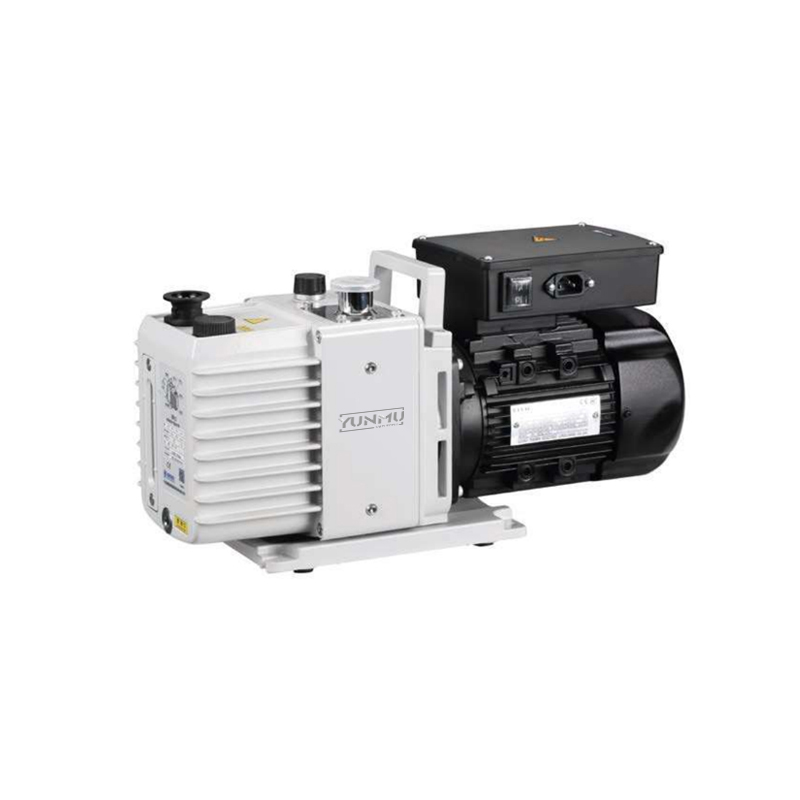
Understanding how vacuum solutions contribute to process reliability requires looking beyond the basic function of pressure reduction. It means examining how consistent vacuum performance eliminates variability, protects sensitive equipment, reduces contamination risks, and supports predictable cycle times. This article explores the specific mechanisms through which vacuum solutions strengthen industrial process reliability and why engineers and operations managers increasingly treat vacuum system design as a strategic investment rather than a commodity purchase.
The Link Between Vacuum Stability and Process Consistency
How Pressure Variability Disrupts Industrial Processes
Many industrial processes depend on tightly controlled environmental conditions to produce consistent results. When vacuum levels fluctuate unexpectedly, the downstream effects can be significant. In coating and deposition processes, for example, even minor pressure variations can alter film thickness, adhesion quality, or surface uniformity. In distillation and drying applications, inconsistent vacuum levels change boiling points and evaporation rates, leading to batch-to-batch variability that is difficult to diagnose and costly to correct.
Vacuum solutions that deliver stable, repeatable pressure levels remove this source of variability from the equation. When the vacuum environment is predictable, process engineers can focus on optimizing other parameters rather than compensating for pressure drift. This stability is particularly valuable in automated production lines where human intervention is minimal and the system must perform consistently across thousands of cycles.
The reliability of vacuum solutions is therefore not just about the pump or system running without failure — it is about delivering a controlled environment that the process can depend on. Stability at the vacuum level translates directly into stability at the product level.
Controlled Vacuum Environments and Repeatable Outcomes
Repeatability is one of the most valued characteristics in industrial manufacturing. Processes that produce the same result under the same conditions are easier to validate, certify, and scale. Vacuum solutions contribute to repeatability by ensuring that the atmospheric conditions within a process chamber or system remain within defined tolerances every time the process runs.
In industries such as medical device manufacturing or aerospace component production, process validation is a regulatory requirement. Demonstrating that vacuum conditions are consistently maintained within specification is part of the evidence base for process qualification. Vacuum solutions that include monitoring, feedback control, and data logging capabilities make this documentation straightforward and auditable.
Beyond regulated industries, repeatability driven by reliable vacuum solutions reduces scrap rates, lowers rework costs, and improves overall equipment effectiveness. The connection between vacuum stability and output consistency is direct and measurable, making it a compelling argument for investing in high-quality vacuum system design.
Protecting Equipment and Extending Operational Lifespan
Reducing Mechanical Stress Through Proper Vacuum Management
Industrial equipment operating under vacuum conditions faces unique mechanical stresses. Seals, valves, chambers, and connected components must withstand differential pressures without degrading over time. When vacuum solutions are properly matched to the application — in terms of ultimate pressure, pumping speed, and duty cycle — the mechanical load on these components is managed within design limits, extending their service life.
Conversely, poorly specified or maintained vacuum solutions can cause equipment to operate outside its intended parameters. Excessive pressure differentials, thermal stress from overworked pumps, or contamination from inadequate filtration all accelerate wear and increase the frequency of unplanned maintenance events. Each unplanned stoppage represents lost production time and, in continuous process industries, can have cascading effects on downstream operations.
Selecting vacuum solutions with appropriate capacity margins, robust sealing systems, and effective contamination control is therefore a direct investment in equipment longevity. The reliability of the vacuum system and the reliability of the broader process infrastructure are closely linked.
Contamination Prevention as a Reliability Factor
Contamination is one of the most common causes of process failure in vacuum-dependent applications. Particulates, moisture, process gases, and backstreaming oil vapors can all compromise product quality, damage sensitive components, or trigger safety shutdowns. Effective vacuum solutions incorporate filtration, trapping, and purging mechanisms that prevent contaminants from migrating into critical process zones.
In semiconductor and electronics manufacturing, even trace contamination can render entire wafer batches unusable. In pharmaceutical lyophilization, moisture ingress during the drying cycle can compromise product sterility and shelf life. Vacuum solutions designed with contamination control as a core feature — rather than an afterthought — provide a measurable improvement in process reliability by eliminating a major failure mode.
The choice of vacuum technology also matters here. Oil-sealed rotary vane pumps, dry screw pumps, and turbomolecular pumps each have different contamination profiles and are suited to different process environments. Matching the vacuum solution to the contamination sensitivity of the application is a key reliability decision.
Supporting Automation and Reducing Human Intervention
Vacuum Solutions in Automated Production Systems
Modern industrial facilities increasingly rely on automation to achieve consistent throughput and reduce labor dependency. Vacuum solutions play an enabling role in many automated systems — from robotic pick-and-place operations that use vacuum grippers to automated packaging lines that rely on vacuum sealing. The reliability of these automated processes is directly tied to the reliability of the vacuum solutions that power them.
When vacuum systems fail or perform inconsistently in an automated environment, the consequences are amplified. A vacuum gripper that loses suction mid-cycle can cause product drops, line jams, or safety incidents. A vacuum packaging system that fails to achieve the required seal integrity can result in product spoilage and customer returns. In both cases, the root cause traces back to vacuum solution reliability.
Designing vacuum solutions with redundancy, automatic switchover capabilities, and real-time monitoring allows automated systems to maintain operation even when individual components require attention. This approach to vacuum system architecture is increasingly standard in high-availability production environments.
Monitoring and Predictive Maintenance Capabilities
One of the most significant advances in vacuum solutions over recent years is the integration of intelligent monitoring and diagnostic capabilities. Sensors that track vacuum level, pump temperature, vibration, and power consumption provide a continuous stream of data that can be used to detect early signs of degradation before they result in failure.
Predictive maintenance enabled by smart vacuum solutions allows maintenance teams to schedule interventions during planned downtime windows rather than responding reactively to unexpected failures. This shift from reactive to predictive maintenance is one of the most effective strategies for improving overall process reliability, and vacuum solutions with built-in diagnostic capabilities are a key enabler.
The data generated by monitored vacuum solutions also supports continuous improvement efforts. Trends in pump performance, seal condition, and filter loading can reveal process inefficiencies or equipment wear patterns that would otherwise go unnoticed until a failure occurs. This visibility transforms vacuum solutions from passive infrastructure into active contributors to operational excellence.
Energy Efficiency and Its Role in Long-Term Reliability
The Relationship Between Energy Consumption and System Stress
Energy efficiency and reliability are more closely connected than they might initially appear. Vacuum solutions that consume more energy than necessary to achieve the required process conditions are typically operating under greater mechanical stress, generating more heat, and wearing components faster than optimally designed systems. Over time, this translates into higher maintenance frequency and shorter equipment lifespan.
Variable speed drive technology applied to vacuum solutions allows pump speed to be matched dynamically to actual process demand rather than running at full capacity continuously. This reduces energy consumption, lowers operating temperatures, and extends the service intervals of key components. The result is a vacuum solution that is both more economical and more reliable over its operational life.
For facilities operating multiple vacuum systems simultaneously, the cumulative impact of energy-efficient vacuum solutions on both utility costs and maintenance budgets can be substantial. Reliability and efficiency are complementary goals, not competing ones, when vacuum solutions are properly engineered and specified.
Right-Sizing Vacuum Solutions for Application Demands
Oversized vacuum solutions are a common source of inefficiency and premature wear. A pump that is significantly larger than the application requires will cycle on and off frequently, operate in partial-load conditions that are mechanically unfavorable, and consume more energy per unit of useful work than a correctly sized system. Right-sizing vacuum solutions to the actual pumping speed and ultimate pressure requirements of the process is a fundamental reliability and efficiency measure.
Undersized vacuum solutions present the opposite problem — they are forced to operate continuously at or near their performance limits, accelerating wear and increasing the risk of failure during peak demand periods. A thorough application analysis that accounts for process volume, leak rates, outgassing loads, and cycle times is essential for specifying vacuum solutions that will perform reliably throughout their intended service life.
Working with experienced vacuum system engineers to conduct this analysis before specifying equipment is a best practice that pays dividends in long-term reliability. The upfront investment in proper specification avoids the much larger costs associated with undersized or oversized vacuum solutions in service.
Industry-Specific Reliability Gains from Vacuum Solutions
Process Reliability in Food and Beverage Manufacturing
In food and beverage manufacturing, vacuum solutions contribute to reliability in several distinct ways. Vacuum packaging extends product shelf life by removing oxygen that would otherwise support microbial growth and oxidation. The reliability of the vacuum sealing process directly determines whether packaging integrity is maintained throughout the supply chain. Inconsistent vacuum levels during sealing result in packages that fail prematurely, leading to product waste and potential food safety issues.
Vacuum cooling and vacuum impregnation processes used in food production also depend on consistent vacuum performance to achieve uniform results. Vacuum solutions that maintain stable pressure throughout these processes ensure that every batch meets the same quality standard, which is essential for both regulatory compliance and brand reputation.
Hygienic design is an additional reliability consideration in food manufacturing environments. Vacuum solutions designed for washdown compatibility, with smooth surfaces and minimal crevices that could harbor contamination, reduce the risk of process contamination events that would require production shutdowns and deep cleaning cycles.
Reliability Applications in Chemical and Pharmaceutical Processing
Chemical and pharmaceutical processes frequently involve hazardous, reactive, or sensitive materials that require precise environmental control. Vacuum solutions in these industries must not only perform reliably but must also be compatible with the chemical nature of the process streams they handle. Corrosion-resistant materials, appropriate seal compounds, and explosion-proof electrical components are all reliability considerations specific to these sectors.
In pharmaceutical lyophilization, the vacuum solution must maintain precise pressure profiles over extended drying cycles that can last many hours. Any deviation from the specified vacuum profile can compromise product quality in ways that may not be immediately detectable, making the reliability of the vacuum solution a direct patient safety concern. Redundant vacuum systems and continuous monitoring are standard practice in critical pharmaceutical applications for this reason.
Chemical distillation under vacuum relies on the vacuum solution to maintain the reduced pressure that lowers boiling points and enables separation of thermally sensitive compounds. Reliable vacuum solutions in this context mean consistent separation efficiency, predictable cycle times, and reduced risk of thermal degradation of valuable process materials.
FAQ
What types of vacuum solutions are most commonly used in industrial process applications?
The most widely used vacuum solutions in industrial settings include oil-sealed rotary vane pumps, dry screw pumps, liquid ring pumps, and turbomolecular pumps. Each technology offers a different combination of ultimate pressure, pumping speed, and compatibility with process gases or vapors. Oil-sealed rotary vane pumps are particularly common in general industrial applications due to their robust performance, wide pressure range, and cost-effectiveness. The right choice depends on the specific process requirements, including the level of vacuum needed, the nature of the gases being handled, and the sensitivity of the process to contamination.
How do vacuum solutions reduce unplanned downtime in manufacturing facilities?
Vacuum solutions reduce unplanned downtime through several mechanisms. Well-specified and properly maintained vacuum systems operate within their design parameters, reducing the frequency of component failures. Modern vacuum solutions with integrated monitoring capabilities enable predictive maintenance, allowing teams to address wear or degradation before it causes a failure. Redundant vacuum system designs ensure that a single pump failure does not halt production. Together, these features shift maintenance from reactive to planned, which is the most effective way to minimize unplanned production interruptions.
Can vacuum solutions be retrofitted into existing production lines to improve reliability?
Yes, vacuum solutions can often be retrofitted into existing production lines, though the complexity depends on the current system configuration and the reliability improvements being targeted. Common retrofit approaches include replacing aging pumps with more efficient and reliable modern equivalents, adding monitoring and control systems to existing vacuum infrastructure, upgrading filtration and contamination control components, and introducing variable speed drives to improve energy efficiency and reduce mechanical stress. A thorough assessment of the existing system is recommended before specifying retrofit vacuum solutions to ensure compatibility and maximize the reliability benefit.
How important is regular maintenance for sustaining the reliability benefits of vacuum solutions?
Regular maintenance is essential for sustaining the reliability benefits that vacuum solutions provide. Even the most robust vacuum system will degrade over time if maintenance is neglected. Key maintenance activities include oil changes and oil quality monitoring for oil-sealed pumps, filter inspection and replacement, seal condition checks, and periodic performance verification against baseline specifications. Establishing a structured maintenance schedule based on the manufacturer's recommendations and actual operating conditions is the most reliable way to ensure that vacuum solutions continue to deliver the process stability and consistency that industrial operations depend on.
Table of Contents
- The Link Between Vacuum Stability and Process Consistency
- Protecting Equipment and Extending Operational Lifespan
- Supporting Automation and Reducing Human Intervention
- Energy Efficiency and Its Role in Long-Term Reliability
- Industry-Specific Reliability Gains from Vacuum Solutions
-
FAQ
- What types of vacuum solutions are most commonly used in industrial process applications?
- How do vacuum solutions reduce unplanned downtime in manufacturing facilities?
- Can vacuum solutions be retrofitted into existing production lines to improve reliability?
- How important is regular maintenance for sustaining the reliability benefits of vacuum solutions?