
 EN
EN
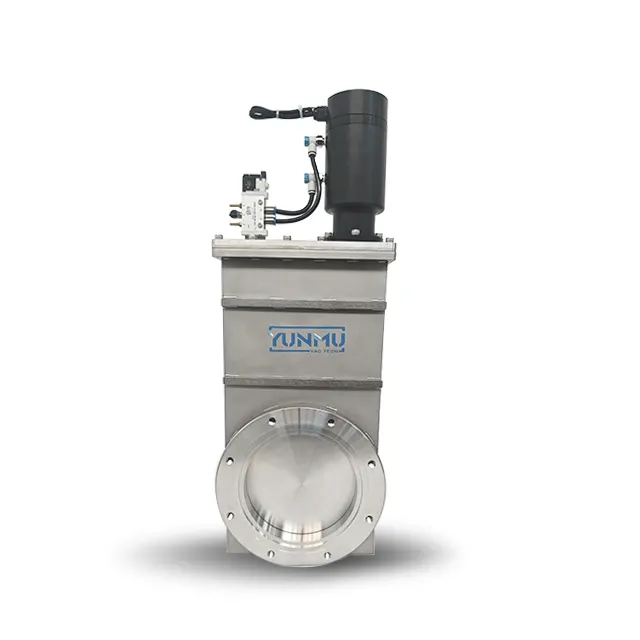
In high-tech manufacturing environments and precision industrial applications, maintaining optimal vacuum conditions is critical for process reliability and product quality. Vacuum valves serve as the cornerstone of vacuum system integrity, providing essential control mechanisms that directly impact system performance, operational stability, and leak prevention. These specialized components are engineered to withstand extreme pressure differentials while delivering consistent sealing performance across diverse industrial sectors including semiconductor manufacturing, pharmaceutical processing, and advanced research facilities.
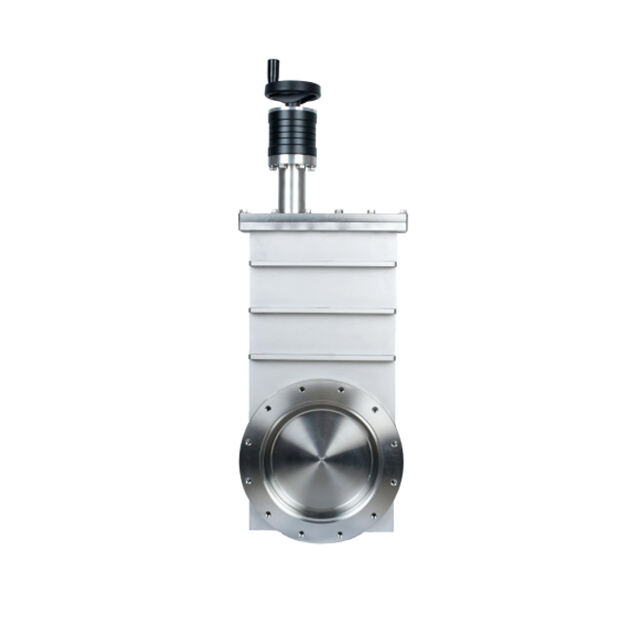
Understanding Vacuum Valve Technology and Applications
Core Design Principles for Vacuum Applications
Vacuum valves incorporate sophisticated engineering principles that distinguish them from standard atmospheric pressure valves. The primary challenge lies in creating reliable sealing mechanisms that prevent atmospheric contamination while maintaining structural integrity under significant pressure differentials. Modern vacuum valves utilize advanced materials such as stainless steel bodies with specialized elastomeric or metal sealing surfaces designed to accommodate the unique demands of vacuum environments.
The bellows-sealed design represents a significant advancement in vacuum valve technology, eliminating the traditional packing gland that can introduce leak paths. This configuration ensures that the valve stem movement occurs within a hermetically sealed environment, drastically reducing the potential for atmospheric infiltration. Manufacturing precision becomes paramount when producing vacuum valves, as even microscopic surface irregularities can compromise the vacuum integrity of the entire system.
Material Selection and Construction Standards
The selection of appropriate materials for vacuum valves directly influences their performance characteristics and longevity. Stainless steel grades such as 316L and 304L provide excellent corrosion resistance while maintaining structural stability under vacuum conditions. The surface finish quality becomes critical, with many applications requiring electropolished surfaces to minimize outgassing and particle generation that could contaminate sensitive processes.
Specialized coatings and treatments enhance the performance of vacuum valves in specific applications. For instance, semiconductor manufacturing environments often require valves with ultra-low particle generation characteristics, necessitating specialized surface treatments and rigorous cleaning protocols. The compatibility of valve materials with process gases and chemicals must be carefully evaluated to prevent degradation and maintain long-term reliability.
System Stability Enhancement Through Proper Valve Selection
Pressure Control and Flow Management
System stability in vacuum applications depends heavily on the precise control of pressure levels and gas flow rates. Vacuum valves provide the necessary control points to regulate these parameters, ensuring that downstream processes receive consistent operating conditions. The response time and control precision of these valves directly affect the stability of vacuum-dependent processes, making valve selection a critical engineering decision.
Advanced vacuum valves incorporate features such as position feedback and automated control capabilities that enable real-time system optimization. These intelligent valve systems can respond to changing process conditions, maintaining optimal vacuum levels while preventing system instabilities that could compromise product quality or equipment safety. The integration of vacuum valves with process control systems allows for sophisticated monitoring and adjustment capabilities that enhance overall system performance.
Thermal Management and Expansion Considerations
Temperature variations in vacuum systems can create significant challenges for maintaining system stability. Vacuum valves must accommodate thermal expansion and contraction while maintaining their sealing integrity across wide temperature ranges. The design of valve bodies and sealing systems must account for differential thermal expansion between various components to prevent binding or seal degradation.
Specialized vacuum valves designed for high-temperature applications incorporate features such as extended bonnets and cooling jackets that isolate temperature-sensitive components from process heat. These design elements ensure that vacuum valves maintain their operational characteristics even in demanding thermal environments, contributing to overall system stability and reliability.
Leakage Risk Reduction Strategies
Seal Technology and Leak Prevention
The prevention of leakage in vacuum systems requires sophisticated sealing technologies that can maintain integrity under extreme conditions. Traditional packed valves present inherent leak risks due to the dynamic sealing requirements around the valve stem. Modern vacuum valves address these challenges through innovative sealing approaches that eliminate or minimize dynamic seal interfaces.
Metal-sealed vacuum valves provide superior leak tightness compared to elastomeric seals, particularly in applications involving high temperatures or aggressive chemicals. The knife-edge sealing principle employed in many high-performance vacuum valves creates a metal-to-metal seal that can achieve helium leak rates in the range of 10^-9 atm-cc/sec or better. This level of seal integrity is essential for maintaining the ultra-high vacuum conditions required in many advanced industrial processes.
Maintenance and Reliability Considerations
Preventing leakage risks extends beyond initial valve design to encompass ongoing maintenance and reliability management. Vacuum valves require specialized maintenance procedures that preserve their sealing integrity while ensuring long-term operational reliability. Regular inspection protocols should include leak testing using sensitive helium leak detectors to identify potential seal degradation before it affects system performance.
The modular design of many modern vacuum valves facilitates maintenance operations by allowing seal replacement without complete valve removal from the system. This approach minimizes system downtime while ensuring that vacuum valves continue to provide reliable leak-tight service throughout their operational life. Predictive maintenance strategies incorporating vibration analysis and thermal monitoring can identify potential valve issues before they result in system leakage.
Industrial Applications and Performance Optimization
Semiconductor Manufacturing Requirements
The semiconductor industry represents one of the most demanding applications for vacuum valves, requiring ultra-high vacuum conditions with minimal contamination risk. These environments demand vacuum valves that can maintain leak rates below 10^-9 atm-cc/sec while resisting particle generation and chemical corrosion. The integration of vacuum valves into semiconductor processing equipment requires careful consideration of materials compatibility and contamination control.
Process flexibility in semiconductor manufacturing often requires rapid cycling of vacuum valves between open and closed positions. The durability and response characteristics of vacuum valves directly impact production efficiency and yield rates. Advanced valve designs incorporate features such as pneumatic actuation and position sensing that enable precise control over valve operation timing and position verification.
Research and Laboratory Applications
Research facilities and analytical laboratories rely on vacuum valves to maintain the controlled environments necessary for sensitive measurements and experiments. These applications often require vacuum valves with exceptional stability and repeatability to ensure consistent experimental conditions. The ability to achieve and maintain specific vacuum levels directly affects the accuracy and reproducibility of research results.
Specialized vacuum valves designed for research applications often incorporate features such as manual fine-tuning capabilities and visual position indicators that allow researchers to make precise adjustments to system configuration. The reliability of vacuum valves in these environments is critical, as system failures can result in lost experimental data and extended downtime for system recovery.
Installation and System Integration Best Practices
Proper Installation Techniques
The proper installation of vacuum valves is essential for achieving optimal system performance and leak prevention. Installation procedures must account for the specific requirements of vacuum applications, including proper support and alignment to prevent stress on valve bodies and connections. The use of appropriate gaskets and sealing compounds compatible with vacuum conditions ensures reliable joint integrity.
Vacuum valves require careful attention to cleanliness during installation, as contamination introduced during assembly can compromise system performance. Clean room protocols and specialized cleaning procedures help ensure that vacuum valves are installed in a condition that supports their design performance characteristics. The verification of installation quality through leak testing and performance validation confirms that vacuum valves are properly integrated into the system.
System Design Considerations
The integration of vacuum valves into overall system designs requires careful consideration of flow patterns, pressure drops, and control requirements. The placement of vacuum valves within the system affects their performance characteristics and maintenance accessibility. Strategic valve positioning can optimize system efficiency while providing necessary isolation and control capabilities.
Advanced system designs incorporate redundant vacuum valves for critical applications where system reliability is paramount. This approach ensures that valve failures do not result in complete system shutdown, maintaining operational continuity while allowing for maintenance activities. The coordination between multiple vacuum valves in complex systems requires sophisticated control strategies that optimize overall system performance.
Future Developments in Vacuum Valve Technology
Smart Valve Integration and Monitoring
The evolution of vacuum valves increasingly incorporates smart technologies that provide enhanced monitoring and control capabilities. Integrated sensors and communication interfaces enable real-time monitoring of valve position, temperature, and performance parameters. These capabilities support predictive maintenance strategies and allow for optimization of valve operation based on actual system conditions.
Artificial intelligence and machine learning applications are beginning to influence vacuum valve design and operation. These technologies can analyze operating patterns and predict optimal valve settings for specific process conditions. The integration of smart vacuum valves into broader industrial Internet of Things ecosystems enables comprehensive system optimization and remote monitoring capabilities.
Advanced Materials and Manufacturing Techniques
Ongoing developments in materials science continue to expand the capabilities of vacuum valves for demanding applications. Advanced ceramic materials and specialized metal alloys offer improved performance characteristics in extreme temperature and chemical environments. Additive manufacturing techniques enable the production of complex valve geometries that optimize flow characteristics while maintaining structural integrity.
Surface engineering technologies such as thin-film coatings and ion implantation provide enhanced surface properties for vacuum valves. These treatments can improve wear resistance, reduce friction, and minimize outgassing characteristics. The continued development of these technologies promises to expand the application range and performance capabilities of vacuum valves in future industrial applications.
FAQ
What makes vacuum valves different from standard industrial valves
Vacuum valves are specifically engineered to operate under negative pressure conditions and maintain ultra-low leak rates that standard valves cannot achieve. They utilize specialized sealing technologies such as bellows seals or metal-to-metal seating to eliminate leak paths that would compromise vacuum integrity. The materials and surface finishes are selected to minimize outgassing and contamination, with many vacuum valves requiring electropolished surfaces and compatibility with ultra-high vacuum environments.
How do I determine the appropriate leak rate specification for my vacuum valve application
The required leak rate for vacuum valves depends on your specific vacuum level requirements and the sensitivity of your process to atmospheric contamination. For general industrial vacuum applications, leak rates of 10^-6 atm-cc/sec may be sufficient, while semiconductor and research applications often require leak rates below 10^-9 atm-cc/sec. Consider factors such as system pumping speed, ultimate vacuum requirements, and contamination sensitivity when establishing leak rate specifications.
What maintenance procedures are essential for maintaining vacuum valve performance
Regular maintenance of vacuum valves should include periodic leak testing using helium leak detectors to verify seal integrity. Visual inspection of sealing surfaces and valve stems helps identify wear or damage that could affect performance. Proper cleaning procedures using compatible solvents and lint-free materials are essential when servicing vacuum valves. Replacement of seals and gaskets should follow manufacturer specifications and use genuine parts designed for vacuum applications.
Can vacuum valves be automated for remote operation and control
Yes, many vacuum valves can be equipped with pneumatic, electric, or electro-pneumatic actuators for automated operation. These systems can include position feedback sensors, limit switches, and communication interfaces for integration with process control systems. Automated vacuum valves enable precise control over opening and closing sequences, which is particularly important for applications requiring rapid cycling or remote operation in hazardous environments.
Table of Contents
- Understanding Vacuum Valve Technology and Applications
- System Stability Enhancement Through Proper Valve Selection
- Leakage Risk Reduction Strategies
- Industrial Applications and Performance Optimization
- Installation and System Integration Best Practices
- Future Developments in Vacuum Valve Technology
-
FAQ
- What makes vacuum valves different from standard industrial valves
- How do I determine the appropriate leak rate specification for my vacuum valve application
- What maintenance procedures are essential for maintaining vacuum valve performance
- Can vacuum valves be automated for remote operation and control