 EN
EN

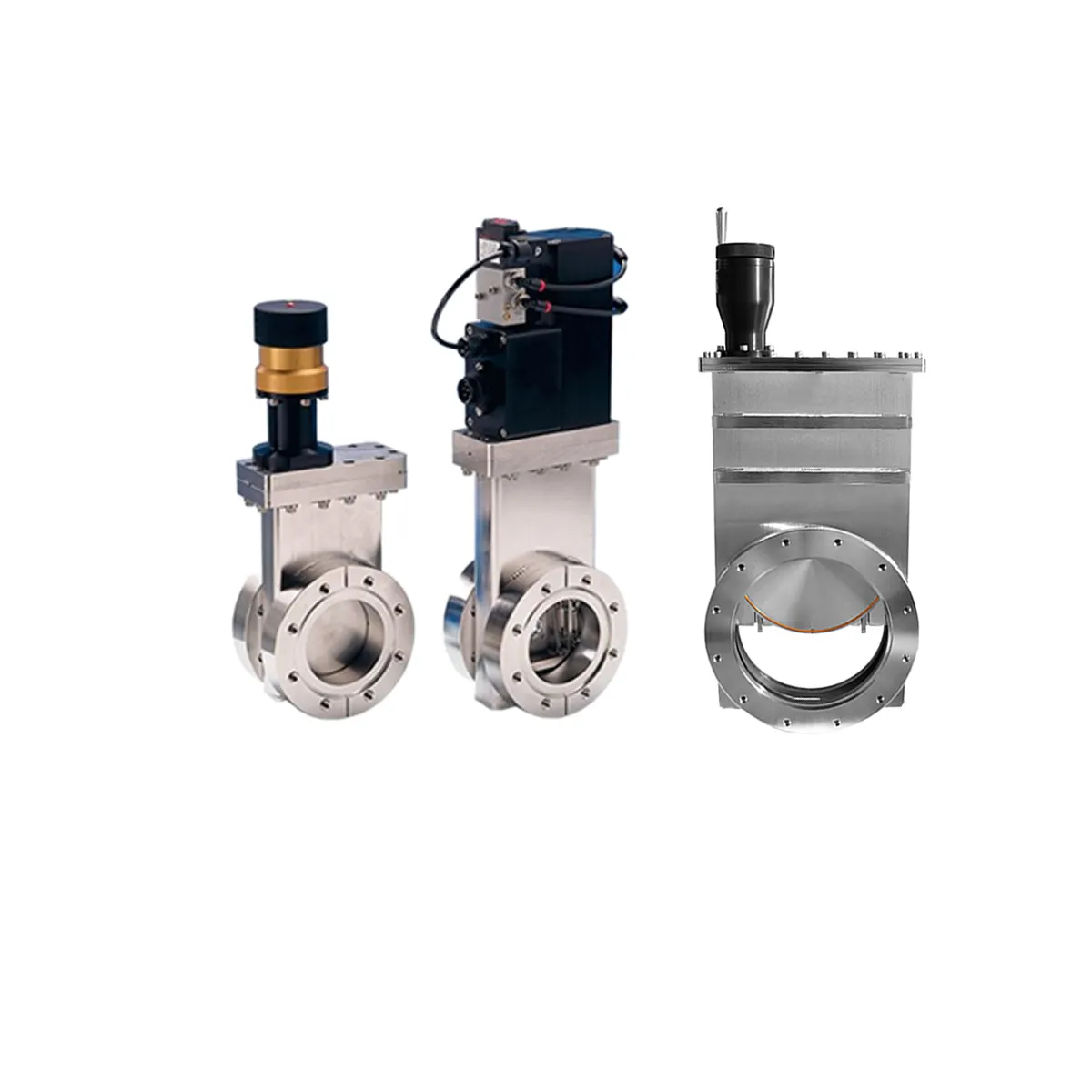
Industrial vacuum systems require precise control mechanisms to maintain optimal performance and safety standards. Among the critical components that enable effective vacuum control, vacuum gate valves stand out as essential devices for regulating flow and maintaining system integrity. These specialized valves are designed to handle the unique challenges of vacuum environments, where traditional atmospheric pressure valves may fail to perform adequately. Understanding the key advantages of implementing vacuum gate valves in industrial systems can help engineers and facility managers make informed decisions about their vacuum system infrastructure.
Superior Sealing Performance in Vacuum Applications
Bellows-Sealed Design Benefits
The bellows-sealed configuration of modern vacuum gate valves provides exceptional sealing performance that surpasses conventional valve designs. The metal bellows construction eliminates the need for traditional packing materials that can outgas and contaminate vacuum systems. This design ensures that the stem seal remains leak-tight even under extreme vacuum conditions, preventing atmospheric infiltration that could compromise system performance.
Furthermore, the bellows seal design offers extended service life compared to elastomeric seals, which can degrade under vacuum conditions and temperature fluctuations. The metal-to-metal sealing mechanism maintains integrity across a wide temperature range, making these valves suitable for applications requiring thermal cycling or operation at elevated temperatures.
Zero Leakage Technology
Advanced vacuum gate valve designs incorporate zero leakage technology that prevents both internal and external leakage paths. The knife-edge gate design creates a precise seal against the valve seat, ensuring complete shutoff when the valve is in the closed position. This capability is crucial for maintaining vacuum levels and preventing contamination in sensitive processes.
The elimination of leakage paths also contributes to energy efficiency by reducing the load on vacuum pumps. When valves maintain perfect seals, pumping systems can operate more efficiently, reducing energy consumption and extending equipment life while maintaining consistent process conditions.
Enhanced Process Control and Flexibility
Precise Flow Regulation
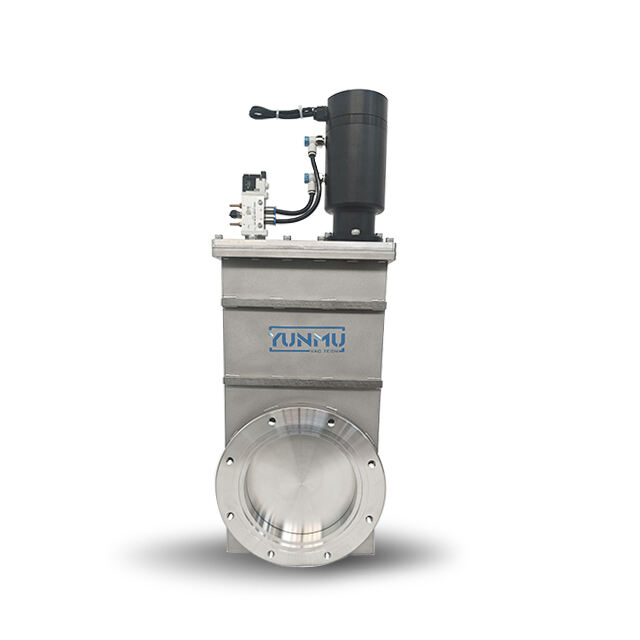
Vacuum gate valves provide excellent flow regulation capabilities through their linear gate motion and precise positioning mechanisms. The gate design allows for gradual opening and closing, enabling operators to fine-tune flow rates and pressure differentials across the valve. This level of control is essential in processes requiring specific vacuum levels or controlled gas introduction rates.
The positioning accuracy of these valves supports automated control systems, allowing integration with pneumatic or electric actuators for remote operation. This capability enhances process repeatability and enables sophisticated control strategies that optimize system performance based on real-time conditions.
Multi-Position Operation
Unlike simple on-off valves, vacuum gate valves can operate effectively at various intermediate positions, providing throttling capabilities when needed. This flexibility allows a single valve to serve multiple functions within a vacuum system, potentially reducing the number of components required and simplifying system design.
The ability to maintain stable operation at partial opening positions makes these valves valuable for pressure regulation and flow balancing applications. Process engineers can utilize this capability to optimize system performance and achieve precise control over vacuum conditions throughout the facility.
Durability and Reliability in Harsh Environments
Corrosion-Resistant Construction
Stainless steel construction provides exceptional corrosion resistance, enabling vacuum gate valves to withstand aggressive chemical environments and maintain performance over extended periods. The material selection ensures compatibility with a wide range of process gases and vapors, from inert atmospheres to reactive chemicals used in semiconductor manufacturing and chemical processing.
The corrosion-resistant properties of stainless steel construction also facilitate cleaning and maintenance procedures, as the smooth surfaces resist contamination buildup and can be effectively cleaned using various methods including chemical cleaning, ultrasonic cleaning, or high-temperature bakeout procedures.
Mechanical Robustness
The robust mechanical design of vacuum gate valves enables reliable operation under challenging conditions including vibration, thermal cycling, and frequent operation cycles. The solid construction minimizes wear and tear while maintaining precise sealing performance throughout the valve's service life.
Quality vacuum gate valves are designed to handle thousands of operation cycles without significant degradation in performance. This reliability translates to reduced maintenance requirements and lower total cost of ownership for industrial facilities that depend on consistent vacuum system operation.
Cost-Effectiveness and Operational Benefits
Reduced Maintenance Requirements
The sealed design and robust construction of vacuum gate valves significantly reduce maintenance requirements compared to traditional valve types. The elimination of packing materials and the use of metal bellows sealing reduces the frequency of seal replacement and maintenance interventions.
Preventive maintenance procedures for vacuum gate valves typically involve periodic inspection and cleaning rather than frequent component replacement. This maintenance profile reduces downtime and associated costs while ensuring continued reliable operation of critical vacuum systems.
Energy Efficiency Contributions
The superior sealing performance of vacuum gate valves directly contributes to energy efficiency in vacuum systems by minimizing air infiltration that would otherwise increase the load on vacuum pumps. Reduced pumping requirements translate to lower energy consumption and extended pump life.
Additionally, the precise flow control capabilities enable optimization of process conditions, potentially reducing cycle times and improving overall process efficiency. These operational improvements contribute to reduced energy costs and enhanced productivity in industrial applications.
Application Versatility Across Industries
Semiconductor and Electronics Manufacturing
In semiconductor fabrication facilities, vacuum gate valves provide the ultra-clean, leak-tight performance required for critical process steps. The ability to maintain high vacuum levels without contamination is essential for processes such as physical vapor deposition, chemical vapor deposition, and ion implantation.
The compatibility with cleanroom environments and the ability to undergo rigorous cleaning procedures make these valves ideal for applications where particle contamination must be minimized. The reliable sealing performance ensures process repeatability and yield optimization in semiconductor manufacturing.
Research and Development Applications
Research facilities utilizing high vacuum systems benefit from the precise control and reliable performance of vacuum gate valves. Applications including electron beam welding, surface analysis, and materials research require consistent vacuum conditions that these specialized valves can provide.
The ability to integrate with automated control systems makes vacuum gate valves valuable for research applications requiring reproducible conditions and data collection. The reliable operation supports consistent experimental results and enables advanced research methodologies.
FAQ
What makes vacuum gate valves different from standard gate valves?
Vacuum gate valves are specifically designed for low-pressure applications with enhanced sealing mechanisms such as bellows seals and knife-edge gates. Unlike standard gate valves, they prevent atmospheric infiltration and maintain leak-tight performance under vacuum conditions. The materials and construction are optimized for vacuum service, often featuring stainless steel bodies and specialized sealing technologies that prevent outgassing and contamination.
How do vacuum gate valves contribute to system energy efficiency?
Vacuum gate valves improve energy efficiency by eliminating air leaks that would otherwise increase the load on vacuum pumps. Their superior sealing performance means pumps work less to maintain desired vacuum levels, reducing energy consumption. Additionally, the precise flow control capabilities allow for optimized process conditions that can reduce cycle times and improve overall system efficiency.
What maintenance is typically required for vacuum gate valves?
Maintenance requirements for vacuum gate valves are generally minimal due to their robust design and sealed construction. Typical maintenance involves periodic inspection, cleaning to remove any contamination, and verification of sealing performance. Unlike valves with traditional packing, the bellows-sealed design eliminates the need for frequent seal replacement, significantly reducing maintenance intervals and associated costs.
Can vacuum gate valves be automated for remote operation?
Yes, vacuum gate valves can be equipped with pneumatic or electric actuators for automated operation. This capability enables remote control and integration with process control systems, allowing for precise positioning and automated sequencing. The automation compatibility makes these valves suitable for applications requiring consistent operation cycles and integration with modern industrial control systems.