
 EN
EN
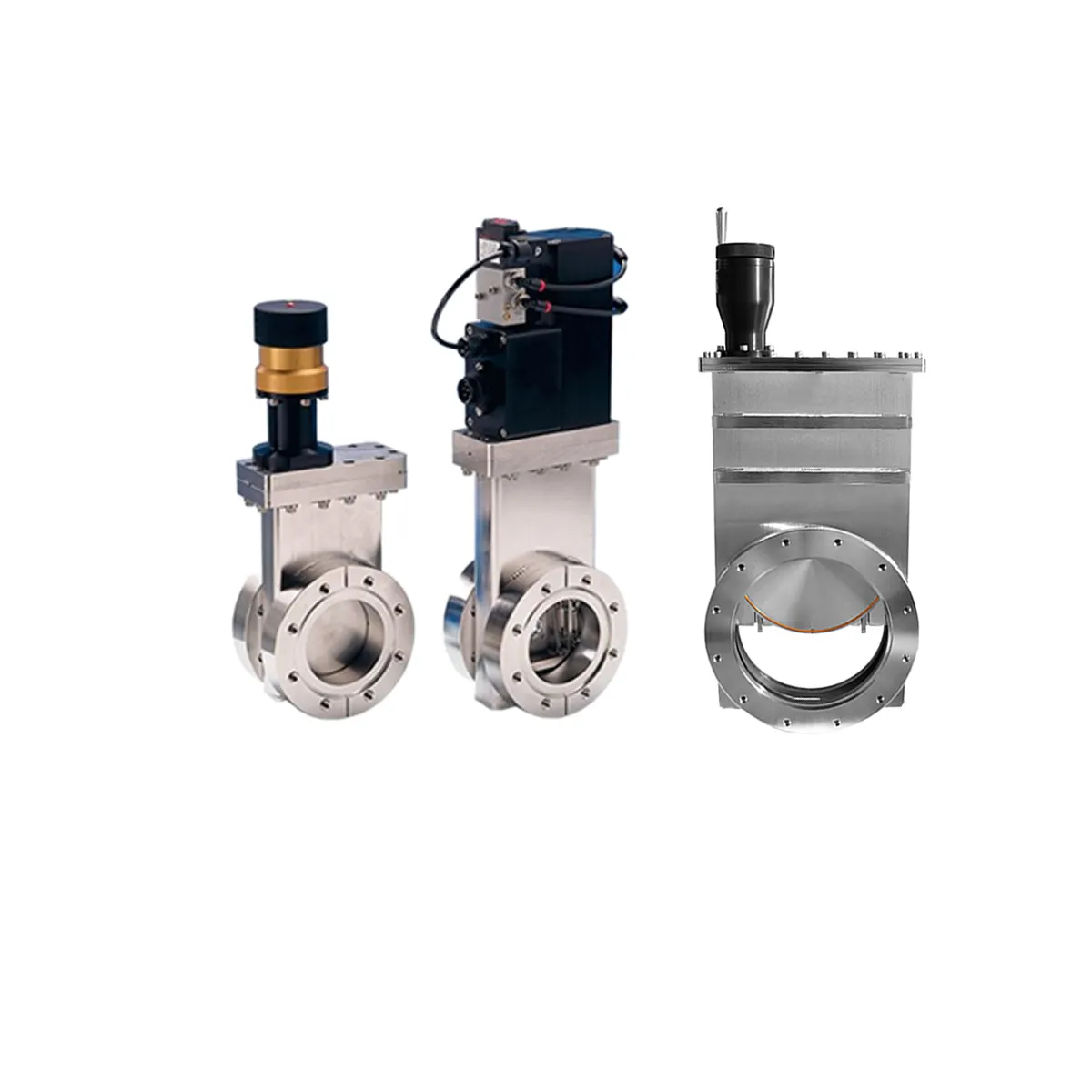
Selecting the right industrial vacuum equipment requires careful consideration of multiple technical and operational factors that directly impact performance, efficiency, and long-term cost-effectiveness. Manufacturing facilities, pharmaceutical companies, and processing plants depend on reliable vacuum systems to maintain product quality, ensure safety compliance, and optimize production workflows. Understanding the key selection criteria helps buyers make informed decisions that align with their specific application requirements and operational constraints.
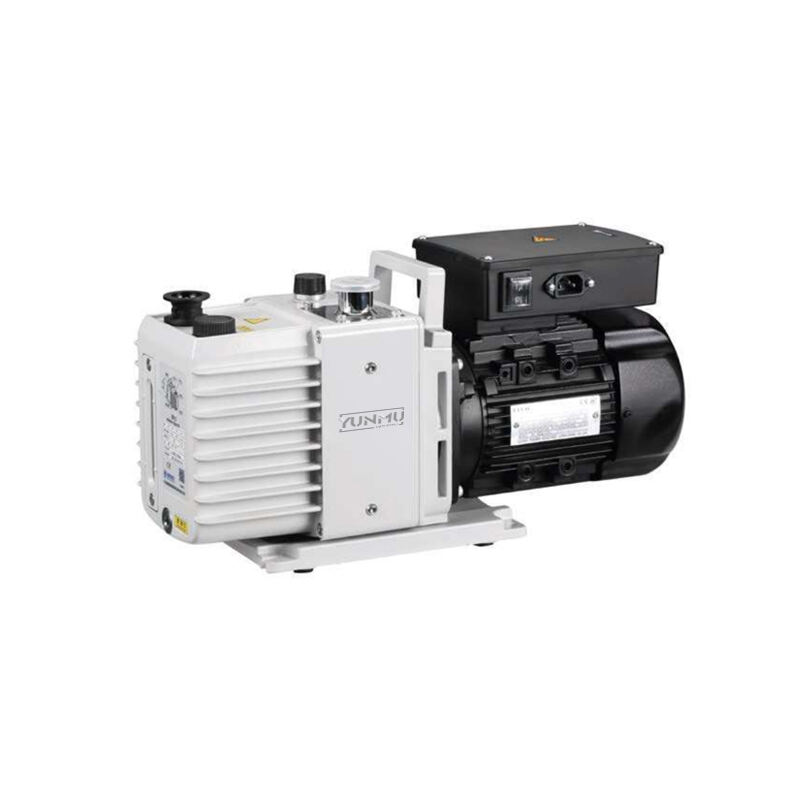
The complexity of modern industrial processes demands vacuum solutions that deliver consistent performance across varying operating conditions. From semiconductor manufacturing to food processing, different industries require specialized vacuum technologies tailored to their unique environmental and regulatory requirements. Buyers must evaluate pump technologies, system configurations, and maintenance considerations to ensure optimal equipment selection for their particular applications.
Understanding Vacuum Technology Fundamentals
Primary Vacuum Pump Categories
Industrial vacuum equipment encompasses several distinct pump technologies, each offering specific advantages for different applications. Rotary vane pumps provide reliable performance for general industrial applications, delivering consistent vacuum levels with minimal maintenance requirements. Oil-sealed rotary vane pumps excel in applications requiring deep vacuum levels and continuous operation cycles.
Dry screw pumps eliminate oil contamination concerns, making them ideal for pharmaceutical and food processing applications where product purity is paramount. These pumps operate without working fluids, reducing environmental impact and simplifying waste disposal procedures. Liquid ring pumps handle wet processes effectively, using working liquids to create vacuum while managing vapor-laden atmospheres.
Performance Characteristics and Specifications
Pumping speed represents a critical performance metric for industrial vacuum equipment, measured in cubic feet per minute or liters per second. Higher pumping speeds enable faster evacuation times and improved process efficiency, particularly in applications with high gas loads or frequent cycling requirements. Ultimate vacuum levels determine the lowest pressure achievable, affecting process quality and equipment suitability.
Power consumption directly impacts operational costs, making energy efficiency an important selection criterion. Modern industrial vacuum equipment incorporates variable frequency drives and intelligent controls to optimize power usage based on actual process demands. Noise levels affect workplace safety and regulatory compliance, particularly in facilities with strict acoustic requirements.
Application-Specific Requirements Analysis
Process Environment Considerations
Operating temperature ranges significantly influence equipment selection, as extreme temperatures affect pump performance and component longevity. High-temperature applications require specialized materials and cooling systems to prevent thermal damage and maintain consistent operation. Corrosive environments demand chemical-resistant components and protective coatings to ensure reliable long-term performance.
Contamination sensitivity varies across industries, with semiconductor and pharmaceutical applications requiring ultra-clean vacuum environments. Industrial vacuum equipment for these applications must eliminate hydrocarbon contamination and particulate generation. Food processing facilities need sanitary designs that facilitate thorough cleaning and prevent bacterial growth.
Gas Handling and Processing Requirements
Vapor compatibility affects pump selection, as certain gases and vapors can damage standard vacuum components. Condensable vapors require specialized handling systems to prevent liquid formation within pump chambers. Corrosive gases necessitate specialized materials and protective systems to prevent component deterioration.
Gas flow rates and composition determine sizing requirements for industrial vacuum equipment, ensuring adequate capacity for process demands. Intermittent versus continuous operation affects pump design requirements and maintenance schedules. Multi-stage systems may be necessary for applications requiring extremely low pressures or high compression ratios.
System Integration and Configuration
Pump Sizing and Capacity Planning
Proper sizing ensures industrial vacuum equipment meets process requirements without oversizing penalties. Undersized systems cannot achieve required vacuum levels or maintain adequate pumping speeds during peak demand periods. Oversized systems waste energy and increase capital costs while potentially causing control difficulties.
Load calculations must account for process gas generation, system leakage, and outgassing from chamber materials. Safety factors accommodate variations in operating conditions and future capacity expansion. Modular configurations allow incremental capacity additions as production requirements evolve.
Control Systems and Automation
Advanced control systems optimize industrial vacuum equipment performance through real-time monitoring and automatic adjustment capabilities. Programmable logic controllers integrate vacuum systems with broader facility automation networks, enabling coordinated process control. Remote monitoring capabilities allow predictive maintenance and reduce unplanned downtime.
Variable speed drives adjust pump operation to match actual process demands, reducing energy consumption and extending component life. Intelligent sequencing systems manage multiple pump configurations for optimal efficiency and redundancy. Safety interlocks protect equipment and personnel from dangerous operating conditions.
Maintenance and Operational Considerations
Routine Maintenance Requirements
Maintenance complexity varies significantly among different types of industrial vacuum equipment, affecting operational costs and downtime requirements. Oil-sealed systems require regular oil changes and filter replacements to maintain performance and prevent contamination. Dry systems eliminate fluid maintenance but may require more frequent component inspections.
Scheduled maintenance intervals depend on operating conditions, duty cycles, and contamination levels. Harsh environments accelerate component wear and require more frequent service intervals. Proper maintenance scheduling prevents unexpected failures and extends equipment lifespan significantly.
Spare Parts and Service Support
Availability of spare parts affects long-term operational viability for industrial vacuum equipment installations. Common wear components should be readily available from multiple sources to prevent extended downtime. Critical spare parts inventory planning ensures rapid restoration of service following component failures.
Service support quality varies among manufacturers, affecting maintenance costs and response times. Local service capabilities reduce travel costs and improve response times for urgent repairs. Training programs help facility maintenance staff perform routine service tasks effectively and safely.
Economic Factors and Total Cost Analysis
Initial Capital Investment
Purchase price represents only one component of total ownership costs for industrial vacuum equipment systems. Installation costs include electrical connections, piping, foundation work, and system commissioning. Complex installations may require specialized contractors and extended installation periods.
Auxiliary equipment costs include cooling systems, filtration components, and control panels necessary for complete system operation. Backup systems may be required for critical applications to ensure continuity of operations. Future expansion provisions affect initial design costs but provide flexibility for capacity increases.
Operating Cost Analysis
Energy consumption represents the largest ongoing cost component for most industrial vacuum equipment installations. Efficient systems reduce electricity costs while maintaining required performance levels. Power quality affects energy consumption and component reliability in industrial environments.
Maintenance costs include scheduled service, replacement parts, and labor for routine upkeep activities. Unscheduled maintenance costs result from component failures and emergency repairs. Proper equipment selection and maintenance practices minimize total ownership costs over the equipment lifecycle.
Environmental and Regulatory Compliance
Emission Control Requirements
Environmental regulations increasingly affect industrial vacuum equipment selection, particularly regarding oil mist emissions and noise levels. Dry vacuum systems eliminate oil-related emissions but may require different waste management approaches. Emission monitoring systems ensure compliance with local and federal environmental standards.
Waste stream management affects operating procedures and disposal costs for industrial vacuum equipment systems. Oil-sealed systems generate used oil that requires proper disposal or recycling. Filtration systems capture particulates and vapors that may require specialized handling procedures.
Safety and Health Considerations
Workplace safety regulations influence equipment selection and installation requirements for industrial vacuum equipment applications. Proper ventilation prevents accumulation of hazardous vapors in work areas. Safety systems protect personnel from mechanical hazards and electrical dangers associated with vacuum equipment operation.
Ergonomic considerations affect maintenance accessibility and operator safety during routine service activities. Clear sight lines and adequate working space facilitate safe maintenance procedures. Emergency shutdown systems provide rapid response capabilities for dangerous operating conditions.
Technology Trends and Future Considerations
Digital Integration and Smart Systems
Internet of Things connectivity enables remote monitoring and predictive maintenance for modern industrial vacuum equipment installations. Data analytics identify performance trends and optimize operating parameters automatically. Cloud-based monitoring services provide expert analysis and maintenance recommendations.
Artificial intelligence algorithms optimize system performance based on historical data and operating patterns. Machine learning capabilities improve efficiency and reduce energy consumption over time. Digital twin technology enables virtual system modeling and performance prediction.
Sustainability and Environmental Impact
Energy efficiency improvements reduce environmental impact and operating costs for industrial vacuum equipment systems. Advanced materials and coatings extend component life and reduce replacement frequency. Recyclable components and sustainable manufacturing practices align with corporate environmental goals.
Carbon footprint reduction drives selection of efficient industrial vacuum equipment designs. Renewable energy integration capabilities support sustainability initiatives in manufacturing facilities. Life cycle assessment tools help buyers evaluate environmental impact throughout equipment lifespan.
FAQ
What factors most significantly impact industrial vacuum equipment performance?
The most critical performance factors include pumping speed capacity, ultimate vacuum level achievement, and contamination compatibility with process requirements. Operating environment conditions such as temperature, humidity, and corrosive atmospheres significantly affect equipment reliability and maintenance requirements. Proper sizing relative to actual gas loads ensures optimal performance and energy efficiency.
How do maintenance requirements vary between different vacuum pump technologies?
Oil-sealed rotary vane pumps require regular oil changes and filter replacements but offer excellent reliability and performance consistency. Dry screw pumps eliminate fluid maintenance but may need more frequent component inspections and seal replacements. Liquid ring pumps require working fluid management and heat exchanger maintenance but handle difficult gas compositions effectively.
What role does energy efficiency play in industrial vacuum equipment selection?
Energy costs typically represent the largest operational expense for industrial vacuum equipment over its service life, making efficiency a critical selection criterion. Variable frequency drives and intelligent controls optimize power consumption based on actual process demands. High-efficiency systems reduce carbon footprint and support corporate sustainability goals while lowering operating costs significantly.
How should buyers evaluate total cost of ownership for vacuum systems?
Total ownership costs include initial purchase price, installation expenses, energy consumption, maintenance costs, and eventual disposal or replacement costs. Operating efficiency affects energy bills throughout the equipment lifespan, often exceeding initial capital costs. Reliability and maintenance requirements significantly impact total ownership expenses and should be carefully evaluated during the selection process.
Table of Contents
- Understanding Vacuum Technology Fundamentals
- Application-Specific Requirements Analysis
- System Integration and Configuration
- Maintenance and Operational Considerations
- Economic Factors and Total Cost Analysis
- Environmental and Regulatory Compliance
- Technology Trends and Future Considerations
-
FAQ
- What factors most significantly impact industrial vacuum equipment performance?
- How do maintenance requirements vary between different vacuum pump technologies?
- What role does energy efficiency play in industrial vacuum equipment selection?
- How should buyers evaluate total cost of ownership for vacuum systems?