 EN
EN


Selecting the right vacuum solutions is a critical business decision that directly impacts operational efficiency, maintenance costs, and production reliability. Companies across manufacturing, chemical processing, pharmaceutical, and food industries depend on vacuum solutions to maintain process integrity, prevent contamination, and optimize performance. However, the market offers diverse vacuum solutions with varying capabilities, technologies, and price points, making comparison essential before commitment. Understanding what factors matter most ensures your organization selects vacuum solutions that align with specific operational requirements rather than settling for generic equipment that underperforms or overextends budget.
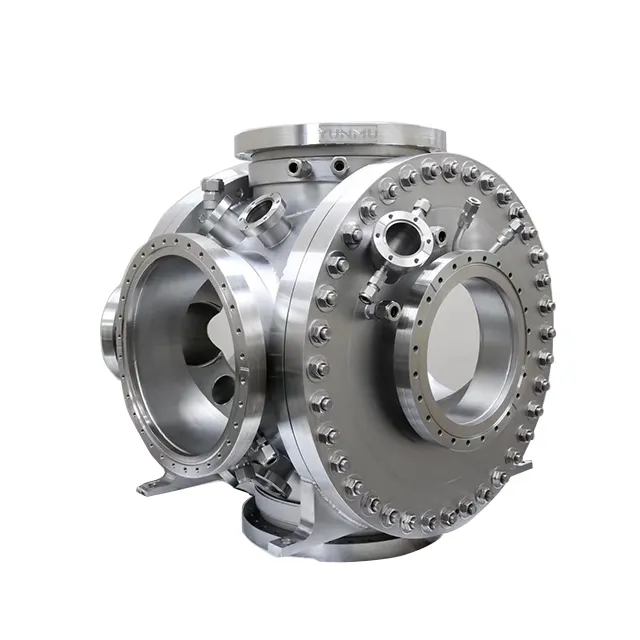
The process of evaluating vacuum solutions requires structured assessment across multiple dimensions. Different applications demand different vacuum solutions with distinct performance characteristics, energy profiles, and maintenance strategies. This article examines the essential comparison factors that drive successful vacuum solutions selection, from technical specifications to total cost of ownership, helping decision makers navigate the complexity and confidence in their choice.
Understanding Core Performance Specifications
Flow Rate and Ultimate Vacuum Capability
Flow rate, measured in cubic feet per minute (CFM) or cubic meters per hour, defines how quickly vacuum solutions can remove gas from your system. This specification directly determines whether vacuum solutions can handle your process speed requirements. Ultimate vacuum, expressed in microns or pascals, indicates the lowest pressure that vacuum solutions can achieve. For applications requiring deep vacuum conditions, such as freeze-drying or semiconductor manufacturing, your vacuum solutions must offer sufficient ultimate vacuum capability. Undersized vacuum solutions will create production bottlenecks, while oversized vacuum solutions waste energy and increase capital expenditure unnecessarily.
Operating Pressure Range and Duty Cycle
Different vacuum solutions operate optimally within specific pressure bands. Some vacuum solutions excel at rough vacuum ranges, others at medium vacuum, and specialized vacuum solutions handle high-vacuum applications. Understanding where your process operates within the vacuum spectrum ensures your selected vacuum solutions perform efficiently throughout the duty cycle. Additionally, assess whether your application requires continuous operation or intermittent use. Vacuum solutions designed for intermittent duty may overheat or fail under continuous cycles, while vacuum solutions rated for continuous duty represent unnecessary expense if your process only requires periodic evacuation.
Evaluating Reliability and Maintenance Requirements
Pump Type and Technology Selection
Rotary vane, rotary screw, turbomolecular, and positive displacement pumps each represent different vacuum solutions technologies with distinct reliability profiles. Rotary vane vacuum solutions offer robust performance for general industrial applications with moderate maintenance. Rotary screw vacuum solutions provide efficiency advantages for high-flow applications. Turbomolecular vacuum solutions suit ultra-high vacuum requirements. Selecting appropriate vacuum solutions technology for your specific application ensures equipment operates within design parameters, minimizing unexpected failures and unplanned downtime. Each vacuum solutions type has different component wear patterns, lubrication requirements, and expected service intervals.
Maintenance Access and Parts Availability
Reliable vacuum solutions require straightforward maintenance accessibility and readily available spare parts. Evaluate whether your candidate vacuum solutions allow technicians easy access to wear items, filters, and fluid reservoirs. Proprietary vacuum solutions designs may offer performance advantages but create supply chain vulnerability if parts become scarce. Established vacuum solutions manufacturers typically maintain robust distribution networks and maintain production of service components for extended periods. Document the typical maintenance interval for candidate vacuum solutions, average downtime per service, and estimated annual maintenance costs. Difficult-to-service vacuum solutions impose hidden operational costs that may not appear in initial purchase pricing.
Assessing Economic and Operational Fit
Total Cost of Ownership Analysis
Comparing initial purchase price alone provides incomplete economic insight into vacuum solutions selection. Total cost of ownership encompasses capital acquisition, installation, ongoing maintenance, energy consumption, and eventual disposal or replacement. Energy efficiency represents a significant component of long-term vacuum solutions costs, particularly for facilities operating pumps continuously. Calculate annual energy expenses by multiplying power consumption by operational hours and local electricity rates. Some premium vacuum solutions models consume substantially less power while delivering identical performance, recovering their higher initial cost within three to five years through energy savings. When evaluating vacuum solutions options across different price points, calculate the payback period on more efficient models before dismissing higher-cost alternatives.
Installation Footprint and Facility Compatibility
Physical space constraints often limit vacuum solutions options, particularly in retrofit situations where existing infrastructure must accommodate new equipment. Compact vacuum solutions designs may command premium pricing but prove essential when floor space is restricted. Assess whether candidate vacuum solutions require dedicated cooling systems, special electrical service, or complex plumbing modifications. Some vacuum solutions generate significant heat and noise, necessitating soundproofing enclosures or dedicated ventilation. Verify that your facility's electrical service can support the vacuum solutions startup current, which may exceed running power consumption substantially. Incompatible vacuum solutions requiring extensive facility modifications offset apparent cost savings through implementation complexity and installation delays.
Matching Application Requirements with Vacuum Solutions Capability
Process-Specific Considerations and Gas Compatibility
Different industrial processes introduce unique contaminants and operating challenges that vacuum solutions must tolerate. Vacuum solutions handling corrosive vapors require different materials than vacuum solutions processing neutral gases. Explosive or reactive gas environments demand vacuum solutions with appropriate safety certifications and explosion-proof designs. Vacuum solutions for food or pharmaceutical applications must meet contamination prevention standards and accommodate sterilization procedures. When vacuum solutions must handle aerosol-laden exhaust streams, integrated filtration and separation become essential features. Attempting to use general-purpose vacuum solutions in specialized applications leads to accelerated component degradation, contamination events, and regulatory compliance failures.
Regulatory Compliance and Industry Standards
Different industries impose specific compliance requirements that vacuum solutions must satisfy. Pharmaceutical manufacturers require vacuum solutions documentation adhering to FDA guidelines and USP standards. Food processing facilities need vacuum solutions meeting sanitary design principles. Hazardous material handlers demand vacuum solutions certified for explosive atmospheres. Semiconductor manufacturing requires ultra-clean vacuum solutions with particle control specifications. Before finalizing vacuum solutions selection, confirm that candidates possess all required certifications and documentation for your industry. Non-compliant vacuum solutions create legal liability, regulatory penalties, and potential product recalls that far exceed any equipment cost savings.
FAQ
What is the most important factor when comparing vacuum solutions?
Process-specific requirements should drive vacuum solutions selection more than any single specification. Understand your application's pressure range, flow rate demands, gas composition, and duty cycle before evaluating vacuum solutions candidates. A vacuum solutions perfectly suited to one application may perform poorly in another, regardless of its technical sophistication or cost. Prioritize matching your vacuum solutions choice to actual operating requirements rather than selecting vacuum solutions based on reputation or lowest price.
How do I calculate whether premium vacuum solutions justify their higher cost?
Compare total cost of ownership across the equipment lifespan, typically five to ten years. More efficient vacuum solutions models often command fifteen to thirty percent higher purchase prices while consuming twenty to forty percent less electrical energy. Calculate annual energy cost differences and divide the additional capital cost by annual energy savings to determine payback period. If payback occurs within thirty-six months, the vacuum solutions upgrade typically justifies its premium pricing through operational savings.
Can I use industrial vacuum solutions across multiple applications?
Flexible vacuum solutions designs exist for applications with similar pressure ranges and gas compatibility requirements. However, specialized vacuum solutions optimized for specific applications almost always outperform general-purpose equipment in those applications. Using vacuum solutions outside its design specification voids warranties, accelerates component wear, and risks contamination events. When multiple applications exist, evaluate whether dedicated vacuum solutions for each application or shared vacuum solutions with appropriate safety features represents the better investment.