 EN
EN

Designing effective custom vacuum systems requires careful consideration of multiple interconnected technical and operational factors. Industrial manufacturers, research institutions, and specialized service providers rely on precisely engineered custom vacuum systems to achieve specific performance targets while maintaining cost efficiency and long-term reliability. The complexity of modern production environments demands that custom vacuum systems address unique application requirements that off-the-shelf solutions cannot fully satisfy. Understanding which factors drive successful custom vacuum systems design empowers decision-makers to invest in equipment that delivers measurable operational value.
The design process for custom vacuum systems integrates engineering science, material selection, and process optimization into a coherent technical strategy. Organizations that prioritize thoughtful custom vacuum systems design achieve faster production cycles, improved product quality, and reduced operational expenses. This guide explores the essential factors that influence custom vacuum systems performance, helping you make informed decisions about your vacuum infrastructure investment.
Vacuum Level Requirements and Operational Specifications
Determining Required Pressure Ranges
The foundation of any successful custom vacuum systems project begins with defining precise vacuum level requirements. Different industrial processes demand vastly different pressure specifications—semiconductor manufacturing might require ultra-high vacuum conditions below 10^-6 torr, while packaging applications may function effectively at moderate vacuum levels between 0.1 and 10 torr. Identifying your specific operational vacuum range ensures that custom vacuum systems designers select appropriate pump technologies, chamber materials, and sealing mechanisms. Misaligning vacuum specifications wastes capital on overbuilt equipment or compromises product quality through insufficient vacuum levels.
Process Flow and Throughput Considerations
Throughput capacity represents a critical design parameter for custom vacuum systems that directly impacts production efficiency and return on investment. The volume of material requiring vacuum processing, the duration of each cycle, and the acceptable time between processing runs all influence how custom vacuum systems must be configured. Higher throughput demands typically necessitate larger chamber volumes, faster pump down times, and more robust evacuation capabilities. Careful analysis of your production schedule allows custom vacuum systems engineers to right-size equipment capacity and optimize cycle time without unnecessary oversizing that increases capital expenditure and energy consumption.
Materials, Sealing Systems, and Chamber Construction
Selecting Appropriate Chamber Materials
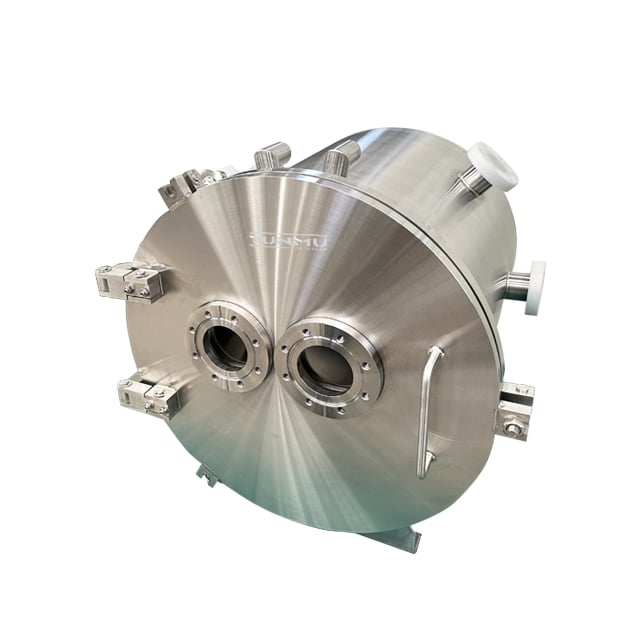
Material selection profoundly affects the performance and longevity of custom vacuum systems across your operational lifespan. Stainless steel chambers provide excellent corrosion resistance and are standard for most applications, while aluminum offers lighter weight for portable custom vacuum systems implementations. Your process environment—whether involving reactive gases, aggressive chemicals, or high-temperature operations—determines which materials ensure reliable custom vacuum systems function without degradation. Additionally, thermal properties of chamber materials influence heating and cooling efficiency, which directly impacts your ability to maintain stable process conditions within custom vacuum systems during extended operating cycles.
Seal Integrity and Leak Prevention
Achieving and maintaining vacuum integrity stands as perhaps the most critical design consideration for custom vacuum systems reliability. Dynamic seals, static gaskets, and feedthrough designs must work in concert to prevent air ingress that compromises vacuum levels and disrupts process quality. High-performance elastomers like Viton or Kalrez provide superior performance in custom vacuum systems exposed to temperature extremes or challenging chemical environments. Well-designed custom vacuum systems incorporate multiple seal verification points, accessible gasket replacement pathways, and redundant sealing strategies that minimize maintenance interruptions while maintaining consistent vacuum performance across countless operating cycles.
Pump Technology Selection and Support Infrastructure
Matching Pump Types to Application Requirements
Pump selection represents one of the most consequential technical decisions when engineering custom vacuum systems for your specific industrial context. Rotary vane pumps deliver economical operation for rough vacuum applications, while turbomolecular or diffusion pumps achieve ultra-high vacuum necessary for semiconductor and scientific work. Matching pump technology to your required vacuum level, process gas characteristics, and operational duty cycle ensures that custom vacuum systems deliver specified performance efficiently. The relationship between pump capacity, chamber volume, and required evacuation speed directly determines whether custom vacuum systems meet production timing requirements or become a bottleneck limiting throughput.
Instrumentation, Controls, and Safety Features
Modern custom vacuum systems require comprehensive instrumentation and control architecture to operate safely and maintain consistent performance. Pressure transducers, temperature sensors, and mass flow controllers provide real-time data that allows custom vacuum systems operators to verify process conditions and detect developing problems before they impact product quality. Automated safety interlocks prevent equipment damage by monitoring vacuum levels, pump temperatures, and system pressures, shutting down custom vacuum systems operations when anomalies emerge. Well-designed control systems transform custom vacuum systems from simple mechanical equipment into intelligent production tools capable of precise process repeatability and comprehensive data logging for quality assurance documentation.
Cost, Maintenance, and Long-Term Operational Efficiency
Capital Investment and Total Cost of Ownership
Initial equipment cost represents only one component of the total financial impact when investing in custom vacuum systems for your organization. Energy consumption, maintenance requirements, spare parts availability, and downtime risk all accumulate into the true cost of ownership for custom vacuum systems throughout their operational lifespan. Premium components and thoughtful design choices often deliver significant cost savings through reduced energy consumption and extended service intervals, making the highest-quality custom vacuum systems frequently more economical than apparently cheaper alternatives. A thorough financial analysis comparing initial capital expenditure against projected operational costs ensures that your custom vacuum systems investment delivers genuine value rather than becoming an expensive operational burden.
Maintenance Access and Spare Parts Strategy
The accessibility of key components within custom vacuum systems design dramatically influences maintenance efficiency and equipment availability. Thoughtfully configured pump mountings, easily replaceable filters, and clear access to gasket-sealing surfaces reduce the technician time required for routine maintenance tasks. Custom vacuum systems should incorporate standardized components wherever feasible, ensuring that replacement parts remain readily available from multiple sources rather than creating dependency on specialized manufacturers. Designing custom vacuum systems with maintenance-first thinking reduces unexpected downtime, extends equipment life, and protects your production schedule from interruption caused by vacuum equipment failures.
FAQ
What vacuum level should I specify for my manufacturing process?
Your required vacuum level depends entirely on your specific process requirements. Consult with your process engineers regarding the minimum pressure necessary for acceptable product quality, then specify custom vacuum systems designed to achieve that level with a safety margin. Working with experienced vacuum system designers ensures your custom vacuum systems specifications match actual operational needs rather than over-specifying capabilities that unnecessarily increase equipment costs.
How do I estimate the maintenance costs for custom vacuum systems?
Maintenance costs for custom vacuum systems typically include filter replacements, seal maintenance, pump servicing, and occasional component replacement. Request detailed maintenance schedules from equipment suppliers and calculate annual maintenance expenses based on your production duty cycle. Selecting high-quality custom vacuum systems with proven reliability records generally reduces long-term maintenance spending compared to lower-cost alternatives requiring frequent repairs.
Can existing vacuum systems be retrofitted or upgraded?
Many existing vacuum installations can be improved through targeted upgrades to custom vacuum systems components, including pump replacements, enhanced sealing, or improved instrumentation. However, fundamental limitations in chamber design or infrastructure may require new custom vacuum systems investments to achieve significantly different performance levels. Consult with vacuum engineering specialists to evaluate whether your current equipment can be cost-effectively upgraded or whether investing in purpose-designed custom vacuum systems better serves your operational goals.