 EN
EN

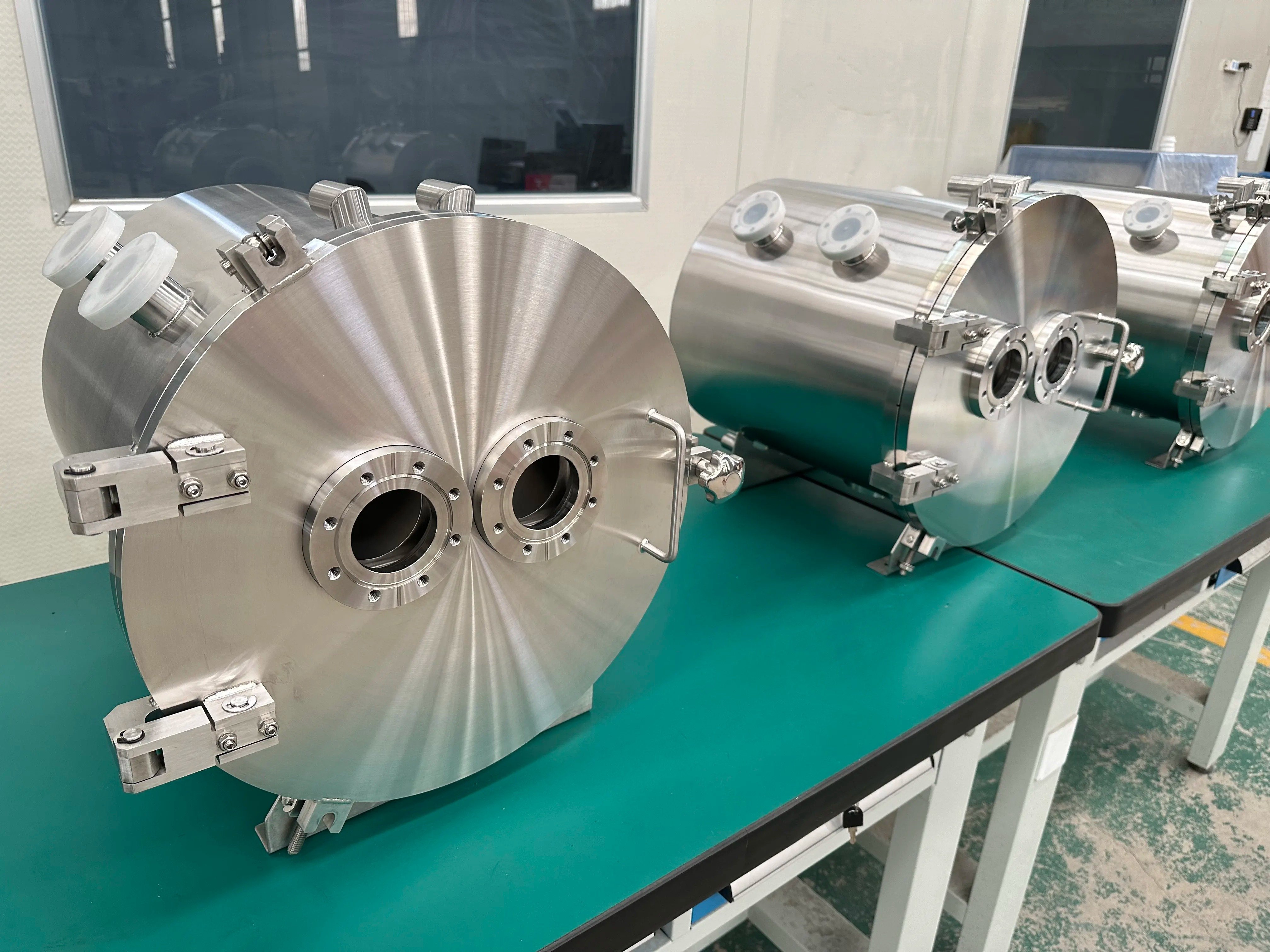
Stainless steel vacuum chamber systems have become the gold standard in research, manufacturing, and industrial applications worldwide. Organizations across pharmaceutical, aerospace, semiconductor, and materials science sectors consistently choose stainless steel vacuum chamber solutions over alternative materials and designs. The preference for these systems reflects a deep understanding of what modern research and production environments demand: reliability, precision, longevity, and performance under extreme conditions. Understanding why stainless steel vacuum chamber technology dominates the market requires examining the specific advantages that make these systems indispensable for critical applications.
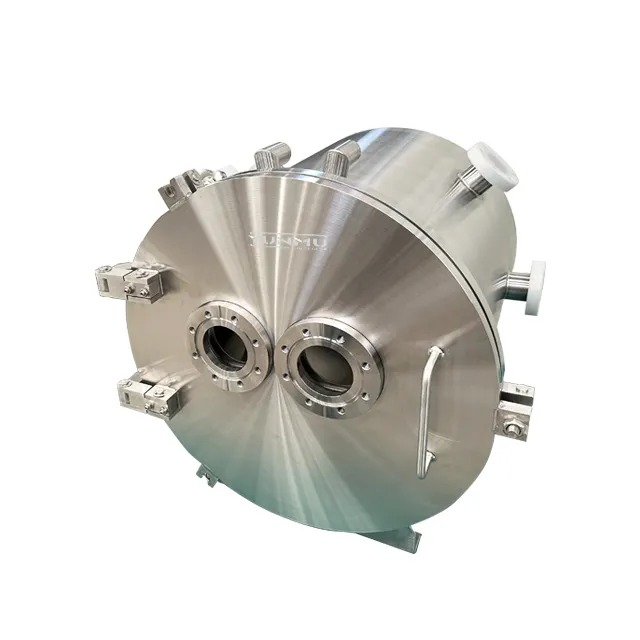
The widespread adoption of stainless steel vacuum chamber systems stems from their proven performance across decades of industrial use and scientific research. Engineers and scientists select this technology because a vacuum chamber built from stainless steel delivers measurable benefits that directly impact project success, cost efficiency, and operational safety. When organizations invest in a vacuum chamber solution, they need assurance that the equipment will maintain integrity, deliver consistent results, and operate reliably for years. Stainless steel vacuum chamber design addresses these requirements comprehensively, making it the preferred choice for facilities where performance cannot be compromised.
Material Properties That Drive Vacuum Chamber Preference
Corrosion Resistance in Demanding Environments
Stainless steel vacuum chamber systems excel in environments where corrosion poses significant operational challenges. The chromium content in stainless steel forms a self-healing passive oxide layer that prevents rust and degradation, even when exposed to moisture, chemical vapors, or reactive gas residues inside the vacuum chamber. This corrosion resistance means that a vacuum chamber maintains its structural integrity and internal surface cleanliness over extended operational periods. Unlike carbon steel or aluminum alternatives, a vacuum chamber constructed from stainless steel resists chemical attack and environmental degradation, reducing maintenance costs and extending equipment lifespan. Industries processing aggressive chemicals, biological materials, or specialty gases depend on this material property to keep their vacuum chamber operational without unexpected failures or contamination events.
Superior Structural Integrity Under Vacuum Stress
The strength and elasticity of stainless steel make it the optimal material for maintaining a vacuum chamber's physical integrity under pressure differential stress. When a vacuum chamber operates, external atmospheric pressure creates significant forces pushing inward on chamber walls. Stainless steel's high tensile strength allows a vacuum chamber to withstand these forces without deformation, ensuring consistent performance and safety. This mechanical reliability means that a vacuum chamber maintains precise dimensional stability essential for sensitive processes like thin-film deposition, ion implantation, or analytical measurement. The material's fatigue resistance also matters: a vacuum chamber subjected to repeated pump-down and atmospheric vent cycles experiences minimal metal fatigue, preserving the vacuum chamber's ability to achieve and maintain target pressure levels throughout its operational lifetime.
Performance Advantages of Stainless Steel Vacuum Chamber Design
Outgassing Characteristics and Ultra-High Vacuum Achievement
Outgassing represents a critical constraint in vacuum technology, and stainless steel vacuum chamber construction directly addresses this limitation. Stainless steel exhibits lower outgassing rates compared to many alternative materials, meaning fewer volatile substances are released from chamber walls during evacuation. This property proves essential when achieving ultra-high vacuum conditions required for semiconductor manufacturing, electron microscopy, or surface analysis applications. A vacuum chamber built from stainless steel can reach and maintain pressures below 10^-6 torr more readily than chambers constructed from materials with higher outgassing coefficients. The ability to achieve deeper vacuum levels without extended pump-down times translates to higher throughput and improved process repeatability, making a vacuum chamber investment in stainless steel particularly valuable for precision manufacturing environments.
Thermal Stability and Process Uniformity
Stainless steel's thermal properties make it an excellent choice for vacuum chamber applications involving temperature cycling or thermal processing. The material conducts heat efficiently, promoting uniform temperature distribution throughout the vacuum chamber chamber walls, which minimizes thermal gradients that could compromise process quality. Many stainless steel vacuum chamber designs include integrated heating or cooling capabilities, and the material's stability across temperature ranges supports reliable performance during cryogenic or elevated-temperature processes. A vacuum chamber engineered from stainless steel maintains dimensional accuracy even during thermal transients, preventing the geometric distortions that would otherwise affect process reproducibility. This thermal reliability particularly benefits applications in materials processing, where substrate temperature control directly influences coating quality, crystal structure, or chemical reaction pathways within the vacuum chamber.
Practical and Economic Advantages of Vacuum Chamber Investment
Cleanroom Compatibility and Surface Quality
Industries operating in cleanroom environments strongly prefer stainless steel vacuum chamber systems because the material's low particle shedding rate maintains the cleanliness classifications required for sensitive manufacturing. A vacuum chamber fabricated from stainless steel does not shed rust particles, corrosion products, or scale that would otherwise contaminate internal surfaces and process materials. This characteristic means that a vacuum chamber can be installed in Class 10 or Class 100 cleanroom facilities without introducing foreign contamination. The smooth, non-porous surface finish typical of stainless steel vacuum chamber construction also simplifies cleaning procedures, allowing facility operators to maintain cleanliness standards with reasonable effort. For pharmaceutical, medical device, and semiconductor manufacturers where contamination introduces unacceptable product risk, the vacuum chamber material selection becomes a direct compliance requirement.
Longevity and Total Cost of Ownership
The extended service life of stainless steel vacuum chamber systems produces significant economic benefits over the equipment's operational lifetime. Because stainless steel resists corrosion and degradation, a vacuum chamber requires minimal maintenance interventions beyond routine leak testing and pump servicing. Organizations that purchase a vacuum chamber system anticipate operating the equipment for 10 to 20 years or more; stainless steel construction supports this extended timeframe without major component replacement or system overhaul. While the initial purchase price for a vacuum chamber constructed from stainless steel exceeds that of carbon steel alternatives, the reduced maintenance expense, lower downtime risk, and elimination of premature failure costs justify the premium investment. Facilities calculating the total cost of ownership consistently find that choosing a stainless steel vacuum chamber delivers superior economic value compared to cheaper materials that require replacement, rebuild, or continuous repair attention throughout their operational life.
FAQ
Why do research laboratories prefer a vacuum chamber made from stainless steel over aluminum designs?
Stainless steel vacuum chamber systems offer superior corrosion resistance, lower outgassing rates, and better long-term durability than aluminum alternatives. Aluminum vacuum chamber designs can suffer from oxidation and require more frequent maintenance. A vacuum chamber built from stainless steel maintains cleanliness standards and achieves ultra-high vacuum conditions more reliably, making it the preferred choice for precision research where performance consistency matters most. Additionally, stainless steel's strength allows thinner walls for equivalent performance, reducing weight while maintaining structural integrity of the vacuum chamber.
Can a vacuum chamber system in stainless steel be customized for specific applications?
Yes, vacuum chamber manufacturers regularly provide customized designs tailored to specific process requirements, chamber dimensions, port configurations, and material grades. Stainless steel's machinability and weldability make it ideal for custom vacuum chamber fabrication, allowing engineers to incorporate specialized feedthroughs, sample holders, or thermal management systems. A vacuum chamber customized in stainless steel can meet unique application demands while maintaining the material advantages that make stainless steel the preferred choice. Whether your application requires a vacuum chamber for thin-film deposition, materials analysis, or laboratory research, stainless steel construction supports precise customization.
What maintenance requirements should operators plan for a vacuum chamber system in stainless steel?
Stainless steel vacuum chamber systems require minimal routine maintenance compared to alternative materials. Regular activities include checking for leaks using helium mass spectrometry, servicing the vacuum pump according to manufacturer recommendations, and periodic inspection of seals and gaskets. The vacuum chamber interior can be cleaned with appropriate solvents without risk of corrosion damage to stainless steel surfaces. Unlike carbon steel vacuum chamber designs that require rust prevention measures, stainless steel eliminates this maintenance burden entirely. Most organizations find that a vacuum chamber built from stainless steel operates reliably with preventive maintenance intervals of 12 to 24 months, significantly reducing the operational burden compared to alternative vacuum chamber materials.