 EN

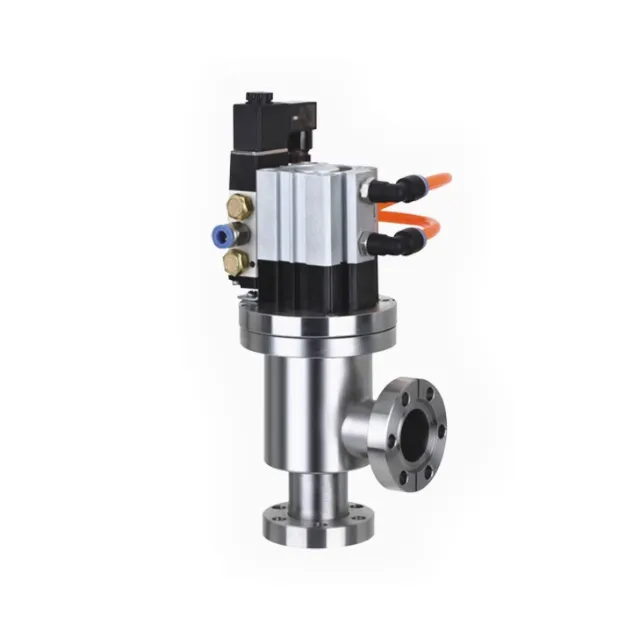
Choosing a Vacuum Angle Valve depends on how the valve must connect to the chamber, control flow, and fit within the system layout. The right configuration is not universal: a compact research chamber, a production line, and a service-access port can impose different requirements. This guide explains how to compare those applications using practical engineering criteria.
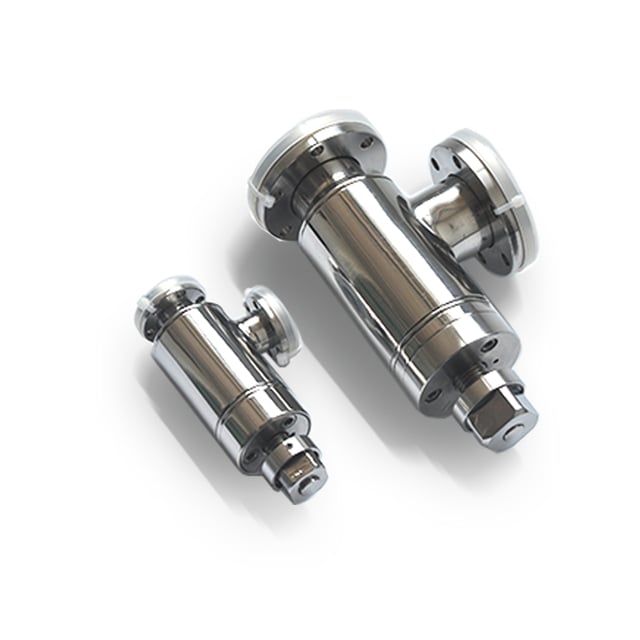
Start by defining the valve’s job: isolate a chamber, connect a pumping path, or manage a process line. A Vacuum Angle Valve can be a strong fit when a change in flow direction helps simplify piping or preserve access, but its suitability still depends on pressure range, media, cycle frequency, and available space. Evaluate the complete connection, not just the valve body.
Match the valve to its system role
Chamber isolation and service access
For a chamber isolation point, the Vacuum Angle Valve should separate the vessel from a pump or process branch in a way that supports safe, repeatable operation. Consider which side needs routine access and whether the valve must close during maintenance or between process stages. A Vacuum Angle Valve placed at a service port should also leave enough clearance for the actuator and nearby fittings.
In a compact instrument, layout may matter as much as nominal connection size. A Vacuum Angle Valve turns the flow path through the body, which can help route a pipe toward a pump without adding a separate elbow. Check the port orientation against the chamber drawing, and verify that the Vacuum Angle Valve will not obstruct gauges, viewports, cables, or removable panels.
Pumping paths and process branches
A pumping branch needs a valve that suits the intended gas path and the system’s conductance priorities. With a Vacuum Angle Valve, review the effective opening and connecting pipe dimensions together, because restrictions elsewhere can limit the benefit of a larger port. For a branch used during pump-down, confirm that the Vacuum Angle Valve position supports the required sequence without creating an awkward dead leg.
Process branches call for attention to the material and the gas or vapor that may contact internal surfaces. A Vacuum Angle Valve should be specified against the actual media, temperature, and cleaning approach rather than a general label such as vacuum service. When comparing options, document operating conditions and check whether the Vacuum Angle Valve is intended for isolation, throttling, or another defined duty.
Compare geometry and operating requirements
Vacuum Angle Valve selection factors
Connection type, body dimensions, and mounting direction determine whether a Vacuum Angle Valve integrates cleanly. Match each port to the adjoining flange or fitting standard, then check the envelope in the installed position. A Vacuum Angle Valve that fits the nominal pipe size may still conflict with supports or neighboring components, so use dimensional drawings before releasing the design.
Conductance matters when flow capacity influences evacuation time or process stability. Compare the valve’s passage with the connected line and pump inlet, and avoid treating nominal diameter as a complete measure of flow performance. A Vacuum Angle Valve is most useful when its opening complements the surrounding system. Record the basis for the selection so later modifications do not undermine the original design.
Actuation, controls, and service conditions
Manual actuation may suit a low-cycle service point where an operator can reach the handle and confirm position. Automated service generally calls for checking actuator type, control signal, fail position, and available utilities. For either setup, the Vacuum Angle Valve needs enough physical clearance for motion and maintenance, while its controls must align with interlocks and operating procedures.
Cycle rate and duty affect the choice of seals, actuator, and maintenance plan. A Vacuum Angle Valve used occasionally for chamber access has a different operating profile from one that moves during every production cycle. Specify expected frequency and environment, including heat or vibration where relevant. Confirm that the selected Vacuum Angle Valve design and documented limits suit those conditions before installation.
Choose by application and integration risk
Research, analytical, and pilot systems
Research and analytical systems often change configuration as experiments evolve. In these settings, a Vacuum Angle Valve may be selected for accessible isolation and a tidy connection to a chamber or pump line. Prioritize clear port orientation, service access, and compatibility with the gases used. A Vacuum Angle Valve should also support the planned sequence, so operators can isolate the correct volume without unintended cross-connections.
Pilot equipment can reveal installation problems before a larger system is built. Use the pilot layout to check the Vacuum Angle Valve envelope, access for tools, and actuator routing under realistic operating conditions. Document any adapter or support requirements, and confirm that the final Vacuum Angle Valve arrangement can be repeated in the production design without losing access or changing the flow path.
Production equipment and upgrade projects
Production equipment places greater emphasis on repeatability, maintenance access, and coordination with controls. A Vacuum Angle Valve on an automated line should be reviewed alongside the sequence logic, sensor location, and isolation procedure. Confirm how the Vacuum Angle Valve behaves during a power or utility interruption, and ensure operators can identify its state using the system’s established indicators.
For a retrofit, begin with the installed interfaces and the reason for replacement. Measure available space, verify connection standards, and compare operating limits before choosing a Vacuum Angle Valve. Check whether the existing controller can operate the actuator, or whether wiring and logic changes are needed. A Vacuum Angle Valve that matches the connection but requires unplanned controls work may increase project complexity.
Across applications, make the decision traceable by documenting the valve function, pressure and temperature conditions, media, connection details, actuation, and expected cycle pattern. That record helps engineering, maintenance, and procurement evaluate the same requirements. If uncertainty remains, verify critical dimensions and operating limits with the product documentation before specifying the Vacuum Angle Valve for a system change.
FAQ
How do I choose a Vacuum Angle Valve for a chamber?
Define whether the valve isolates the chamber, serves a pumping branch, or supports a process connection. Then check port orientation, space, media compatibility, and operating limits. A Vacuum Angle Valve should match the complete installation and the intended operating sequence.
Does an angle-style body improve every vacuum installation?
No. The angled flow path can make routing more convenient in some layouts, but the system still depends on port size, line geometry, and access. Compare the Vacuum Angle Valve with the adjoining components instead of assuming the body shape alone improves performance.
What information should I confirm before ordering?
Confirm connection standards, dimensions, pressure and temperature conditions, process media, actuation, and expected cycle frequency. Check installation drawings and control requirements as well. This information helps ensure the Vacuum Angle Valve fits both the physical system and its operating duties.