 EN
EN

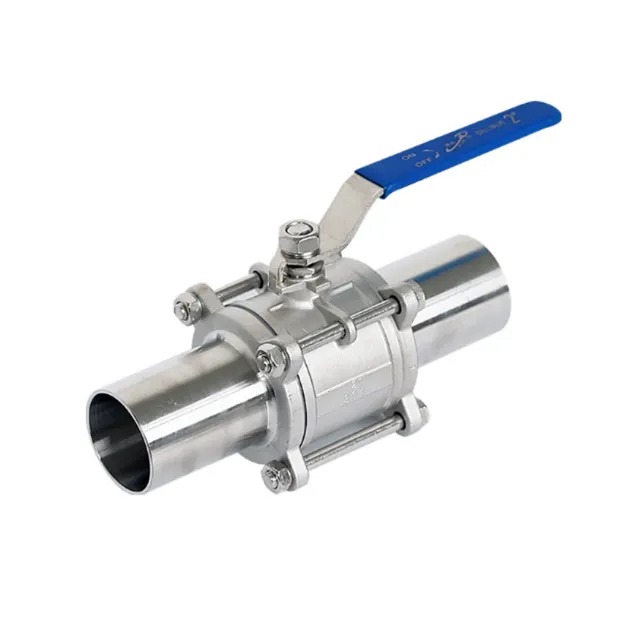
Industrial operations depend on countless components working in perfect harmony, but few are as essential as the vacuum and pressure relief valve. This critical system protects equipment from catastrophic failure, maintains process integrity, and ensures workplace safety across manufacturing, chemical processing, oil and gas, and food production sectors. Understanding why a vacuum and pressure relief valve matters is fundamental for engineers, facility managers, and operations leaders who oversee equipment performance and safety compliance. The vacuum and pressure relief valve functions as a guardian against dangerous pressure fluctuations that can damage piping, vessels, pumps, and connected systems.
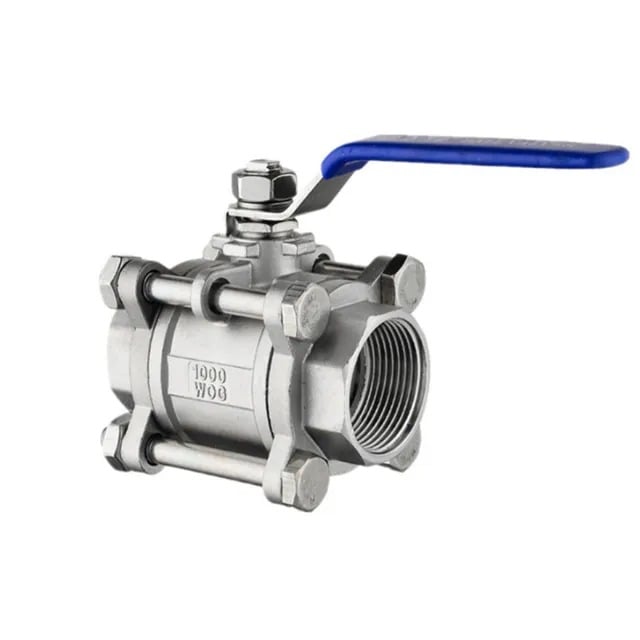
The vacuum and pressure relief valve operates through precise mechanical engineering to detect and respond to pressure deviations instantly. When system pressure exceeds design limits or falls below safe thresholds, the vacuum and pressure relief valve automatically opens to release excess pressure or admit air, preventing equipment damage and operational disruption. Modern industrial environments cannot afford unexpected shutdowns or safety incidents, making the vacuum and pressure relief valve an investment in reliability and regulatory compliance.
Protection Against Equipment Failure and Costly Downtime
How Pressure Spikes Damage Industrial Equipment
Pressure fluctuations in closed systems create forces that mechanical components are not designed to withstand. Without a vacuum and pressure relief valve in place, thermal expansion, sudden flow blockages, or pump surges can build pressure to catastrophic levels. Pipes rupture, seals fail, and entire vessels can implode or explode, causing injury, environmental contamination, and massive financial loss. A single equipment failure due to uncontrolled pressure can idle a production line for days, costing hundreds of thousands of dollars in lost output.
The Role of the Vacuum and Pressure Relief Valve in System Longevity
The vacuum and pressure relief valve extends equipment lifespan by maintaining pressure within design specifications at all times. By automatically venting excess pressure before it reaches dangerous levels, a vacuum and pressure relief valve prevents metal fatigue, weld stress, and seal degradation. Equipment protected by a properly sized vacuum and pressure relief valve experiences fewer maintenance emergencies and longer operational life. Facility managers and maintenance teams report significantly fewer unplanned shutdowns when a vacuum and pressure relief valve is installed on critical systems.
Regulatory Compliance and Safety Standardization
Industry Standards Requiring Vacuum and Pressure Relief Valve Systems
The American Society of Mechanical Engineers (ASME), the American Petroleum Institute (API), and regional safety authorities mandate that most pressurized equipment must have a vacuum and pressure relief valve system. These standards exist because historical incidents prove that uncontrolled pressure causes deaths, injuries, and environmental disasters. Compliance is not optional; it is a legal requirement for facility operation permits and insurance coverage. Inspectors verify that every pressurized vessel has a properly rated, tested, and certified vacuum and pressure relief valve installed according to specifications.
Pressure Relief Valve Testing and Certification Requirements
Every vacuum and pressure relief valve must be tested, stamped, and certified by authorized third parties to confirm it meets ASME standards and performs at its rated set pressure. This certification proves the vacuum and pressure relief valve will function reliably when pressure reaches dangerous levels. Facility operators must maintain documentation of all vacuum and pressure relief valve testing and inspection records, as regulators and insurance underwriters require proof of compliance during audits. Certified vacuum and pressure relief valve systems provide the documentation trail needed to demonstrate due diligence in maintaining safe operations.
Operational Efficiency and Process Control Advantages
How Vacuum and Pressure Relief Valve Systems Optimize Process Stability
Beyond safety, the vacuum and pressure relief valve contributes directly to process efficiency and product quality. In chemical reactors, distillation columns, and food processing systems, pressure stability ensures uniform reaction rates, consistent product composition, and reliable batch-to-batch results. When a vacuum and pressure relief valve maintains pressure within tight operating windows, process parameters remain predictable and controllable. Engineers can optimize temperature, flow, and reaction conditions knowing the vacuum and pressure relief valve will prevent pressure drift from disrupting carefully tuned processes.
Cost Savings from Reduced Maintenance and Emergency Repairs
The vacuum and pressure relief valve represents a modest capital investment that prevents expensive emergency repairs and catastrophic failures. A high-quality vacuum and pressure relief valve costs a few thousand dollars, but damage from one uncontrolled pressure event can exceed a hundred thousand dollars or more. Beyond direct repair costs, unplanned shutdowns create cascading losses: missed production schedules, customer penalties, rush overtime, and lost market share. Investing in reliable vacuum and pressure relief valve systems is a proven strategy to reduce total cost of ownership and improve operational profitability over equipment life.
Critical Selection and Maintenance Considerations
Sizing and Set-Point Decisions for Vacuum and Pressure Relief Valve Installation
Choosing the correct vacuum and pressure relief valve requires detailed knowledge of system design pressure, operating temperature, fluid properties, and maximum flow conditions. An undersized vacuum and pressure relief valve cannot handle peak pressure surges; an oversized vacuum and pressure relief valve wastes energy and capital. Engineers must calculate the maximum possible pressure the system could generate, then select a vacuum and pressure relief valve rated for that condition while considering flow capacity. Properly sized vacuum and pressure relief valve systems provide margin for safety while avoiding unnecessary complexity and cost.
Maintenance Protocols to Ensure Vacuum and Pressure Relief Valve Reliability
Regular testing and maintenance ensure the vacuum and pressure relief valve performs when needed. Operators must perform periodic functional tests by simulating high-pressure conditions to confirm the vacuum and pressure relief valve opens and closes smoothly. Corrosion, sediment buildup, and mechanical wear can prevent a vacuum and pressure relief valve from responding properly, so periodic cleaning and inspection are essential. Documenting all maintenance activities creates a compliance record and helps facility teams identify patterns that indicate a vacuum and pressure relief valve is approaching end-of-life.
FAQ
What is the main difference between a vacuum and pressure relief valve and a simple pressure gauge?
A pressure gauge only displays pressure readings; it has no protective function. A vacuum and pressure relief valve actively prevents dangerous pressure by automatically opening to release excess pressure or admit air when needed. The vacuum and pressure relief valve is an active safety device that prevents failure, while a gauge is a passive measurement instrument.
How often should a vacuum and pressure relief valve be tested and recertified?
Most regulatory standards require a vacuum and pressure relief valve to be tested annually or every two to three years, depending on the industry and fluid type. Your facility's operating permit and insurance policy specify the exact testing interval for your vacuum and pressure relief valve. Manufacturers typically recommend more frequent testing for critical applications or harsh environments where a vacuum and pressure relief valve may experience faster wear.
Can one vacuum and pressure relief valve protect an entire multi-tank system?
In some cases, a centrally located vacuum and pressure relief valve can protect multiple interconnected tanks if the system is properly designed. However, complex systems often require multiple vacuum and pressure relief valve installations at different points to ensure all sections receive adequate protection. Your system designer must evaluate piping layout, tank volumes, and pressure sources to determine how many vacuum and pressure relief valve devices your specific installation requires.