 EN
EN

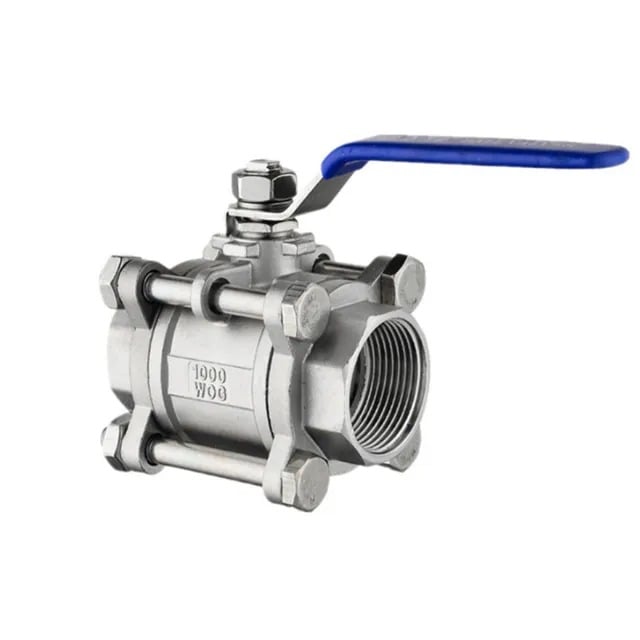
Industrial equipment operates under extreme conditions where pressure and vacuum forces can cause catastrophic failures if left uncontrolled. A vacuum and pressure relief valve is one of the most critical safety components in any pressurized or vacuum system, protecting both personnel and expensive machinery from dangerous overpressure and under-pressure situations. Understanding why these valves matter fundamentally changes how industrial facilities approach system design, maintenance, and operational safety.
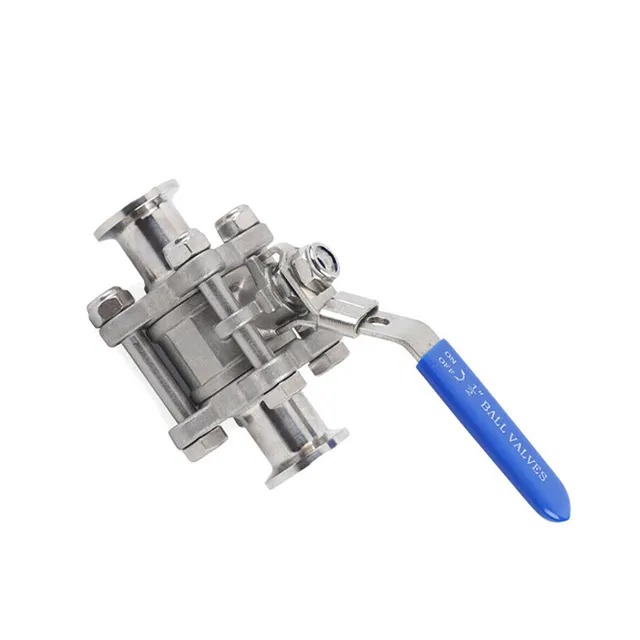
The vacuum and pressure relief valve serves as an automatic safety mechanism that maintains system integrity by venting excess pressure and preventing vacuum conditions from developing. Without proper vacuum and pressure relief valve protection, equipment can rupture, leak hazardous materials, or fail suddenly, leading to downtime, environmental contamination, and serious safety risks to operators.
How Vacuum and Pressure Relief Valves Prevent Equipment Failure
Equipment damage often stems from pressure imbalances that exceed design specifications. A vacuum and pressure relief valve automatically opens when internal pressure rises above a predetermined threshold, allowing excess fluid or gas to escape and preventing destructive overpressure conditions. This automatic response is far faster than manual intervention and protects critical components from deformation, rupture, or permanent damage.
Pressure Overshoot and System Protection
In many industrial applications, sudden temperature changes or blocked outlet lines can cause rapid pressure increases. A vacuum and pressure relief valve responds instantaneously to these dangerous spikes, venting the excess energy before it can damage seals, welds, or structural components. This protective function extends equipment lifespan significantly and reduces unplanned maintenance costs associated with catastrophic failures caused by inadequate vacuum and pressure relief valve sizing or malfunction.
The vacuum and pressure relief valve also prevents vacuum conditions that develop when fluid rapidly exits a sealed container. Vacuum formation can collapse vessels, distort internal structures, or allow contaminants to enter through compromised seals. By introducing controlled air or inert gas, a vacuum and pressure relief valve maintains safe pressure differentials and preserves system structural integrity throughout operational cycles.
Fluid Loss Prevention and Containment
Properly calibrated vacuum and pressure relief valve systems minimize fluid loss by venting only excess pressure rather than continuous leakage. This controlled release maintains inventory, reduces waste, and protects environmental and regulatory compliance. Many modern industrial operations pair vacuum and pressure relief valve technology with closed-loop recovery systems that capture vented materials for reuse or safe disposal, further enhancing operational efficiency and sustainability.
Safety Compliance and Regulatory Requirements for Pressure Control
Industrial safety regulations across most jurisdictions mandate that pressurized equipment include certified pressure relief and vacuum control systems. A vacuum and pressure relief valve must meet rigorous engineering standards, including API 520 and 521 standards for petroleum operations, as well as ASME Boiler and Pressure Vessel Code requirements. Compliance with these standards protects facilities from regulatory fines, operational shutdowns, and legal liability resulting from inadequate safety measures.
Third-Party Certification and Testing Standards
Every vacuum and pressure relief valve sold in regulated industries must undergo certification testing that verifies accurate opening pressure, proper flow capacity, and reliable closure characteristics. These tests ensure that each vacuum and pressure relief valve performs consistently across thousands of operational cycles without degradation or unexpected behavior. Facilities that deploy non-certified or incorrectly sized vacuum and pressure relief valve solutions face serious regulatory violations and increased risk of system failure.
Regular inspection and maintenance of the vacuum and pressure relief valve form part of most facility safety protocols. Testing validates that the vacuum and pressure relief valve opens at the correct pressure setpoint and maintains its sealing integrity. Many regulations require facilities to perform bench tests on vacuum and pressure relief valve systems at defined intervals, ensuring continued compliance and operational safety.
Operator Protection and Hazard Mitigation
Personnel safety depends critically on vacuum and pressure relief valve protection, particularly in chemical processing, oil and gas operations, and pharmaceutical manufacturing where system failures can release hazardous or toxic materials. A functioning vacuum and pressure relief valve prevents sudden pressurization that could injure workers or create secondary hazards through uncontrolled material release. This protection layer is fundamental to any comprehensive occupational safety and health compliance program.
Selecting and Maintaining Vacuum and Pressure Relief Valves
Proper vacuum and pressure relief valve selection begins with understanding the specific operating conditions, fluid characteristics, and safety requirements of each application. Undersized vacuum and pressure relief valve systems cannot adequately vent excess pressure, while oversized systems may introduce cost inefficiencies and operational complications. Engineers must calculate required relief capacity, material compatibility, and setpoint accuracy to ensure the selected vacuum and pressure relief valve provides appropriate protection without unnecessary expense.
Material Selection and Corrosion Resistance
The vacuum and pressure relief valve must be fabricated from materials compatible with the system fluid and environmental conditions. Stainless steel vacuum and pressure relief valve bodies resist corrosion in harsh chemical environments, while specialized alloys may be required for extreme temperature or aggressive fluid applications. Incorrect material selection for the vacuum and pressure relief valve leads to premature corrosion, internal leakage, and eventual failure, compromising system safety and reliability.
Maintenance protocols should include regular inspection of the vacuum and pressure relief valve body for signs of corrosion, scaling, or erosion that indicate degradation. Prompt replacement of a compromised vacuum and pressure relief valve prevents unexpected failures that could disable critical safety functions. Many facilities establish preventive maintenance schedules that include vacuum and pressure relief valve bench testing and replacement before corrosion or wear significantly reduces component reliability.
Monitoring and Predictive Maintenance Approaches
Advanced vacuum and pressure relief valve systems now incorporate monitoring sensors that alert operators to performance anomalies, valve drift, or potential failures before they develop into serious problems. These systems log opening pressure, flow rate, and closure characteristics, providing data that helps maintenance teams predict when the vacuum and pressure relief valve will require service or replacement. Predictive maintenance approaches based on vacuum and pressure relief valve performance data reduce emergency shutdowns and extend operational continuity.
Regular documentation of vacuum and pressure relief valve testing and maintenance creates a compliance record that demonstrates commitment to safety standards and regulatory requirements. This historical data also helps engineers identify recurring issues, optimize vacuum and pressure relief valve selection for future projects, and continuously improve system reliability. Facilities that establish strong vacuum and pressure relief valve maintenance cultures typically experience fewer safety incidents and better overall operational performance.
FAQ
What happens if a vacuum and pressure relief valve fails?
Without a functioning vacuum and pressure relief valve, excessive pressure can build up inside equipment and cause rupture or leakage of hazardous materials. Vacuum formation can collapse vessels or allow contaminants to enter through damaged seals. System failure, environmental contamination, and serious injury to workers represent the major consequences of a failed vacuum and pressure relief valve. This is why regular testing and maintenance of the vacuum and pressure relief valve are non-negotiable safety requirements.
How often should a vacuum and pressure relief valve be tested?
Most industrial regulations require vacuum and pressure relief valve testing at least annually, though some critical applications demand more frequent intervals such as every six months. The specific vacuum and pressure relief valve testing frequency depends on equipment class, operational intensity, fluid characteristics, and regulatory guidance for your industry. Consulting with your vacuum and pressure relief valve manufacturer and regulatory authorities ensures your facility meets all required testing schedules and maintains proper documentation.
Can a standard pressure relief valve replace a vacuum and pressure relief valve?
No, a standard pressure relief valve cannot fully replace a vacuum and pressure relief valve because it only addresses overpressure conditions and ignores dangerous vacuum situations. A true vacuum and pressure relief valve includes both pressure relief and vacuum relief functions, protecting equipment from both excessive pressure and under-pressure conditions. Using only a standard pressure relief valve leaves your system vulnerable to vacuum-related failures and violates safety standards that require dual protection.