 EN
EN

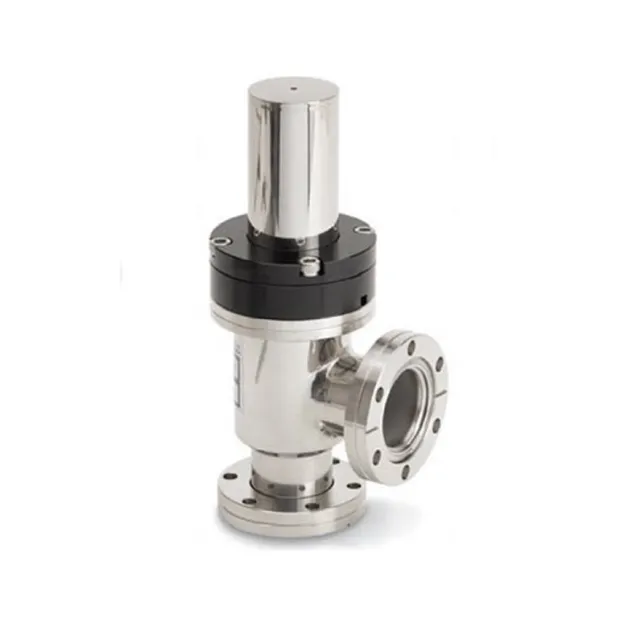
Industrial equipment operates under demanding conditions, and protecting that equipment from overpressure, under-pressure, and sudden pressure fluctuations is essential to operational safety and longevity. A vacuum and pressure relief valve system serves as a critical safeguard, preventing equipment damage, ensuring regulatory compliance, and maintaining consistent performance across diverse applications. Understanding how these systems work and why they matter is fundamental for any operation that depends on pressure-sensitive equipment.
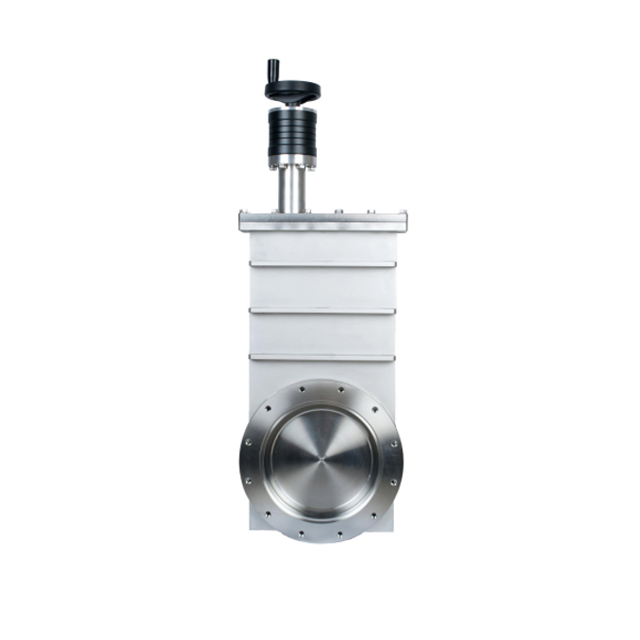
The protection provided by a vacuum and pressure relief valve system extends beyond simple overpressure protection. These systems address multiple pressure scenarios that threaten equipment integrity, operational efficiency, and worker safety. By automatically responding to pressure deviations, a properly designed vacuum and pressure relief valve system minimizes downtime, reduces maintenance costs, and extends equipment life in ways that reactive maintenance cannot achieve.
How Vacuum and Pressure Relief Valve Systems Protect Against Overpressure
The Role of Pressure Relief in Equipment Safety
Overpressure conditions develop when fluid or gas pressure within equipment exceeds design specifications due to external pressure increases, temperature changes, or system malfunctions. Without active protection, excessive pressure can rupture vessels, burst pipes, damage seals, and create hazardous conditions. A vacuum and pressure relief valve system detects when pressure rises above a preset threshold and automatically opens an outlet pathway, allowing excess fluid or gas to escape in a controlled manner. This immediate response prevents catastrophic failure and protects personnel working near or around the equipment.
The vacuum and pressure relief valve system must be precisely calibrated to the equipment's pressure rating, as settings that are too high allow dangerous overpressure, while settings too low cause unnecessary venting and operational inefficiency. Industrial facilities typically establish maintenance schedules to verify that vacuum and pressure relief valve calibration remains accurate throughout the equipment lifecycle.
Real-World Overpressure Scenarios
In pharmaceutical manufacturing, heated reactors can develop dangerous pressure if cooling systems fail or if chemical reactions produce unexpected heat. A properly configured vacuum and pressure relief valve system automatically prevents pressure from exceeding safe limits, allowing production to continue safely. Storage tanks receiving external heat from surrounding processes also depend on vacuum and pressure relief valve protection, particularly in chemical plants where multiple reactions occur in close proximity. When unexpected pressure spikes occur, the vacuum and pressure relief valve system provides immediate, automatic relief without requiring operator intervention.
Food processing equipment, steam systems, and compressed air networks all rely on vacuum and pressure relief valve mechanisms to maintain safe operating conditions. The vacuum and pressure relief valve system's ability to respond instantly to overpressure conditions makes it far more reliable than manual valve operation or procedural controls alone.
Vacuum and Pressure Relief Valve Systems Protection from Under-Pressure and Vacuum Conditions
Understanding Vacuum Damage to Equipment
While overpressure receives significant attention, under-pressure and vacuum conditions pose equally serious threats to equipment integrity. When external atmospheric pressure exceeds internal pressure within a vessel or system, a vacuum develops that can crush or collapse equipment not designed to withstand that stress. This occurs frequently in cooling operations, where condensing vapors create sudden pressure drops, or in systems experiencing unexpected drainage or leakage. A vacuum and pressure relief valve system includes vacuum relief capability that automatically admits air or inert gas when pressure falls below safe levels, preventing structural collapse and protecting internal components.
Distillation columns, evaporators, and heat exchangers frequently experience vacuum conditions during cooldown cycles. The vacuum and pressure relief valve system automatically admits air to equalize pressure, protecting the equipment structure and allowing safe operation of downstream processes. Without vacuum relief protection, equipment shutdown becomes hazardous, and restart procedures require additional precautions.
Vacuum Relief Applications in Industrial Processing
Laboratories and pharmaceutical facilities benefit significantly from vacuum and pressure relief valve systems that prevent vacuum damage during experiment shutdown and equipment maintenance. The vacuum and pressure relief valve ensures that glassware, metal vessels, and connected piping remain safe even as temperature drops and vapor condenses. Chemical processing plants depend on vacuum and pressure relief valve systems to protect distillation equipment and separation vessels where vacuum conditions naturally occur during normal operations.
Packaging and filling equipment also relies on vacuum and pressure relief valve protection, as rapid pressure changes during fill cycles can otherwise damage containers and compromise product integrity. The vacuum and pressure relief valve system's dual functionality addresses both overpressure and under-pressure scenarios within a single integrated unit.
Integration of Vacuum and Pressure Relief Valve Systems into Equipment Design
Selecting and Installing Appropriate Vacuum and Pressure Relief Valve Systems
Effective equipment protection depends on selecting a vacuum and pressure relief valve system matched to specific operating conditions, including maximum pressure ratings, temperature ranges, fluid compatibility, and flow requirements. Engineers must evaluate whether the vacuum and pressure relief valve system requires direct mounting to equipment or installation within a separate pressure management module. The vacuum and pressure relief valve must be appropriately sized to handle maximum anticipated flow rates during emergency venting without creating excessive backpressure that could defeat the protection mechanism.
Material selection for the vacuum and pressure relief valve system depends on compatibility with process fluids and the corrosive environment surrounding the equipment. Stainless steel vacuum and pressure relief valve components resist corrosion in harsh environments, while brass or carbon steel options serve less demanding applications. The vacuum and pressure relief valve system must include appropriate sealing mechanisms to prevent leakage while maintaining responsive operation across temperature and pressure variations.
Maintenance and Monitoring of Vacuum and Pressure Relief Valve Systems
Regular maintenance ensures that the vacuum and pressure relief valve system remains effective throughout its operational lifetime. Facility managers establish periodic inspection schedules to verify that the vacuum and pressure relief valve opens and closes smoothly at design pressures, that seals remain intact, and that no deposits or corrosion compromise functionality. Testing the vacuum and pressure relief valve system under controlled conditions allows technicians to confirm proper calibration before equipment returns to production.
Modern facilities increasingly deploy monitoring systems that record pressure data and vacuum and pressure relief valve activation events, providing early warning when the vacuum and pressure relief valve opens unexpectedly or fails to respond appropriately. This data-driven approach helps maintenance teams identify underlying equipment problems before they cause dangerous conditions. The vacuum and pressure relief valve system's performance history becomes a valuable diagnostic tool for optimizing equipment operation and preventing future incidents.
FAQ
What pressure range should a vacuum and pressure relief valve system maintain?
The appropriate pressure range depends entirely on the equipment design specifications and process requirements. A qualified engineer must determine the maximum allowable working pressure for your specific equipment, and the vacuum and pressure relief valve system must be calibrated to activate just above that threshold. The vacuum and pressure relief valve system should also include vacuum relief setting that prevents dangerous pressure drops, typically calibrated to activate when internal pressure falls approximately 0.5 to 1 PSI below atmospheric pressure. Consult equipment manufacturers' documentation and relevant industry codes to establish correct vacuum and pressure relief valve settings for your application.
How often should vacuum and pressure relief valve systems be tested?
Industry standards and regulatory agencies typically recommend testing vacuum and pressure relief valve systems annually or whenever equipment has been significantly modified or exposed to conditions that might affect valve operation. Some high-risk applications, such as pharmaceutical manufacturing or steam systems, may require more frequent testing and certification. After any emergency venting where the vacuum and pressure relief valve fully opened, facilities should inspect and test the vacuum and pressure relief valve system before returning equipment to service. Maintaining detailed maintenance records for your vacuum and pressure relief valve system ensures compliance with regulations and provides documentation of proper equipment care.
Can a vacuum and pressure relief valve system prevent all equipment failures?
While a properly designed vacuum and pressure relief valve system provides essential protection against pressure-related failures, it addresses only one category of potential equipment damage. The vacuum and pressure relief valve system protects against overpressure and vacuum conditions but cannot prevent failures caused by corrosion, fatigue, mechanical wear, or design defects in other equipment components. A comprehensive equipment protection strategy combines the vacuum and pressure relief valve system with appropriate material selection, regular maintenance, proper operation, and monitoring for early warning signs of developing problems. The vacuum and pressure relief valve system is a critical component of safe equipment operation but works most effectively as part of an integrated maintenance and monitoring program.