 EN
EN

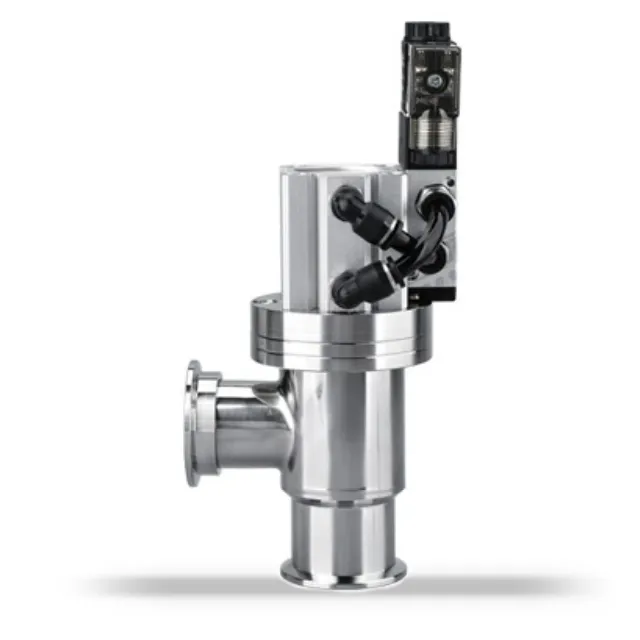
Industrial facilities depend on reliable equipment to maintain operational efficiency, and one critical component that directly impacts maintenance spending is the vacuum and pressure relief valve. These devices protect systems from dangerous pressure fluctuations, yet traditional designs often require frequent servicing, parts replacement, and emergency repairs that drain maintenance budgets. Modern advances in vacuum and pressure relief valve engineering offer significant opportunities to reduce these costs while improving system reliability and safety performance.
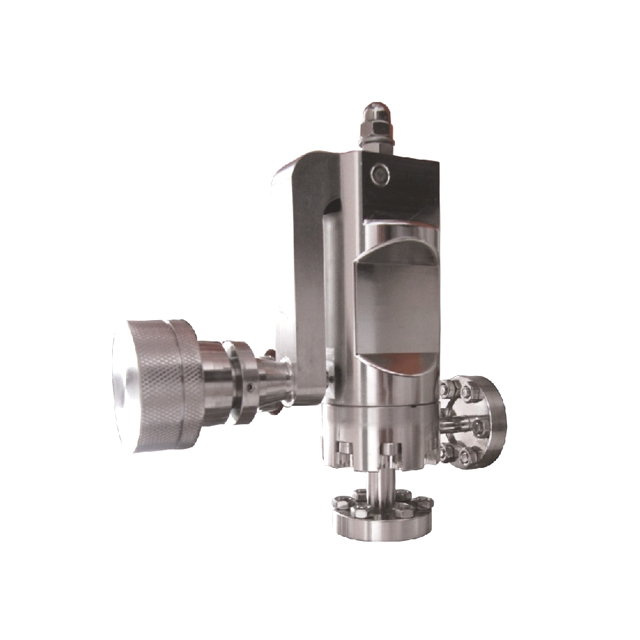
The relationship between vacuum and pressure relief valve design and maintenance costs is more direct than many plant managers realize. Advanced vacuum and pressure relief valve technologies incorporate precision engineering, improved materials, and intelligent monitoring capabilities that extend service intervals, reduce failure rates, and minimize unplanned downtime. Understanding how these improvements translate into cost savings helps facilities make strategic equipment decisions that benefit their bottom line.
How Advanced Vacuum and Pressure Relief Valve Design Minimizes Operational Costs
Precision Engineering Reduces Failure Frequency
Modern vacuum and pressure relief valve designs employ tighter tolerances and advanced manufacturing techniques that significantly reduce component wear. Traditional vacuum and pressure relief valve models often suffer from gradual sealing degradation, requiring frequent adjustments and seal replacements. Advanced designs featuring improved spring materials, precision-machined seats, and enhanced actuator mechanisms maintain accuracy over extended periods, dramatically cutting maintenance labor hours and component consumption.
When a vacuum and pressure relief valve operates with greater precision, it prevents the micro-leaks and drift problems that plague older equipment. These modern vacuum and pressure relief valve systems maintain calibration stability, which means fewer troubleshooting visits and emergency repairs. Facilities report maintenance cost reductions of 30 to 40 percent within the first two years of upgrading to advanced vacuum and pressure relief valve technology, primarily through extended service intervals and reduced emergency call-outs.
Durability Through Superior Materials Science
Advanced vacuum and pressure relief valve manufacturers now utilize corrosion-resistant alloys, reinforced elastomers, and wear-resistant coatings that substantially extend component lifespan. These material innovations directly address the root causes of premature vacuum and pressure relief valve failure, including chemical degradation, thermal stress, and mechanical fatigue. A vacuum and pressure relief valve built with superior materials experiences fewer seal failures, spring weaknesses, and corrosion-related leaks that typically necessitate costly replacements.
The cost advantage becomes evident when comparing total lifecycle expenses. An advanced vacuum and pressure relief valve may carry a higher initial purchase price, but its extended operational life and reduced maintenance requirements produce substantial savings. Industries processing corrosive media or operating in high-temperature environments particularly benefit from vacuum and pressure relief valve designs that resist environmental stress, as these applications historically drove the highest maintenance spending.
Intelligent Monitoring Integration in Modern Vacuum and Pressure Relief Valve Systems
Predictive Maintenance Capabilities
Contemporary vacuum and pressure relief valve solutions increasingly incorporate built-in sensors and diagnostic capabilities that enable predictive maintenance strategies. These smart vacuum and pressure relief valve systems continuously monitor performance parameters, detecting subtle degradation patterns before they cause failures. Plant managers receive early warning signals that trigger planned maintenance during scheduled shutdowns rather than emergency interventions that disrupt production schedules and inflame costs.
The vacuum and pressure relief valve equipped with predictive diagnostics transforms maintenance from reactive crisis management to proactive planning. Technicians access detailed performance histories, identifying optimal replacement timing that balances equipment reliability with maintenance scheduling efficiency. This approach to vacuum and pressure relief valve management typically reduces unscheduled downtime by 50 percent or more, representing substantial financial savings beyond the direct maintenance labor reductions.
Remote Monitoring and Real-Time Performance Analytics
Advanced vacuum and pressure relief valve systems now offer remote monitoring capabilities that allow maintenance teams to track performance from centralized control centers. This technology eliminates unnecessary site visits for routine status checks, as vacuum and pressure relief valve data flows continuously to monitoring dashboards. When issues emerge, technicians arrive equipped with specific diagnostic information, reducing troubleshooting time and ensuring faster resolution.
The data analytics capabilities of modern vacuum and pressure relief valve solutions reveal performance trends across entire facility networks. Plant engineers can identify which vacuum and pressure relief valve installations experience accelerated wear, enabling targeted interventions before widespread failures occur. This visibility into vacuum and pressure relief valve performance patterns facilitates better resource allocation and prevents the cascading failures that generate emergency maintenance expenses.
Industry-Specific Applications and Maintenance Cost Reduction
Chemical Processing and Hazardous Media Handling
Chemical processors face extreme maintenance challenges because aggressive media degrades vacuum and pressure relief valve components faster than standard industrial equipment experiences. Advanced vacuum and pressure relief valve designs specifically engineered for chemical compatibility incorporate specialized materials and sealing technologies that resist corrosive attack. These purpose-built vacuum and pressure relief valve solutions extend service intervals from months to years, transforming maintenance budgets in facilities where chemical handling previously drove constant component replacement cycles.
The safety implications amplify the financial benefits when vacuum and pressure relief valve reliability improves in hazardous chemical environments. Facilities reduce regulatory compliance risks, insurance liabilities, and emergency response costs associated with vacuum and pressure relief valve failures. A single prevented emergency incident typically justifies the entire investment in advanced vacuum and pressure relief valve technology for chemical processing operations.
Pharmaceutical and Food Manufacturing
Pharmaceutical and food manufacturing facilities require vacuum and pressure relief valve systems that maintain sterile conditions and prevent product contamination. Advanced vacuum and pressure relief valve designs incorporate hygienic sealing principles and stainless steel construction that meet stringent cleanliness standards while minimizing maintenance interventions that could compromise environmental controls. These specialized vacuum and pressure relief valve configurations reduce validation costs, maintenance-related production interruptions, and product loss incidents that plague facilities using conventional vacuum and pressure relief valve technology.
The total cost advantage for vacuum and pressure relief valve systems in these applications extends beyond direct maintenance savings to encompass regulatory compliance, batch integrity protection, and facility reputation management. Facilities consistently demonstrate that vacuum and pressure relief valve investments in advanced designs produce rapid return on investment through reduced downtime, fewer contamination incidents, and improved production yield consistency.
FAQ
What specific design features make advanced vacuum and pressure relief valve systems more cost-effective than conventional models?
Advanced vacuum and pressure relief valve designs incorporate precision-machined components, superior seal materials, predictive diagnostic sensors, and optimized spring characteristics that collectively reduce maintenance requirements. These vacuum and pressure relief valve improvements extend service intervals, prevent premature failures, and enable proactive maintenance scheduling that minimizes emergency repairs and unplanned downtime.
How quickly does upgrading to advanced vacuum and pressure relief valve technology generate maintenance cost savings?
Most facilities observe vacuum and pressure relief valve maintenance cost reductions of 25 to 40 percent within the first 12 to 24 months following equipment upgrades. The timeline depends on facility-specific factors including previous vacuum and pressure relief valve maintenance frequency, operating conditions, and installation expertise. Facilities with historically high maintenance burdens typically realize savings more rapidly as advanced vacuum and pressure relief valve reliability prevents recurring problems.
Can existing industrial systems be retrofitted with advanced vacuum and pressure relief valve technology?
Many existing systems can accommodate modern vacuum and pressure relief valve upgrades through compatible flanges, connection standards, and mounting configurations. Retrofitting with advanced vacuum and pressure relief valve components typically requires professional assessment to confirm compatibility and ensure proper integration with existing process systems. Facilities should consult with vacuum and pressure relief valve specialists to evaluate retrofit feasibility and develop implementation strategies that optimize cost benefits.
Table of Contents
- How Advanced Vacuum and Pressure Relief Valve Design Minimizes Operational Costs
- Intelligent Monitoring Integration in Modern Vacuum and Pressure Relief Valve Systems
- Industry-Specific Applications and Maintenance Cost Reduction
-
FAQ
- What specific design features make advanced vacuum and pressure relief valve systems more cost-effective than conventional models?
- How quickly does upgrading to advanced vacuum and pressure relief valve technology generate maintenance cost savings?
- Can existing industrial systems be retrofitted with advanced vacuum and pressure relief valve technology?