 EN
EN

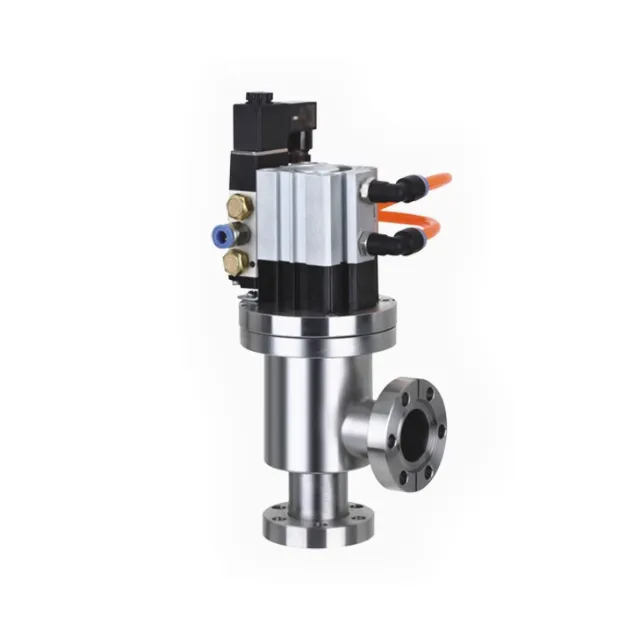
The vacuum and pressure relief valve represents one of the most critical safety components across modern industrial operations. These specialized devices protect equipment, personnel, and processes by automatically releasing excess pressure or allowing air ingress when system conditions exceed safe operating parameters. Understanding which industries rely most heavily on vacuum and pressure relief valve technology is essential for procurement teams, plant managers, and engineers who must ensure regulatory compliance and operational safety. The vacuum and pressure relief valve serves as a silent guardian in countless facilities worldwide, preventing catastrophic failures and maintaining system integrity across diverse sectors.
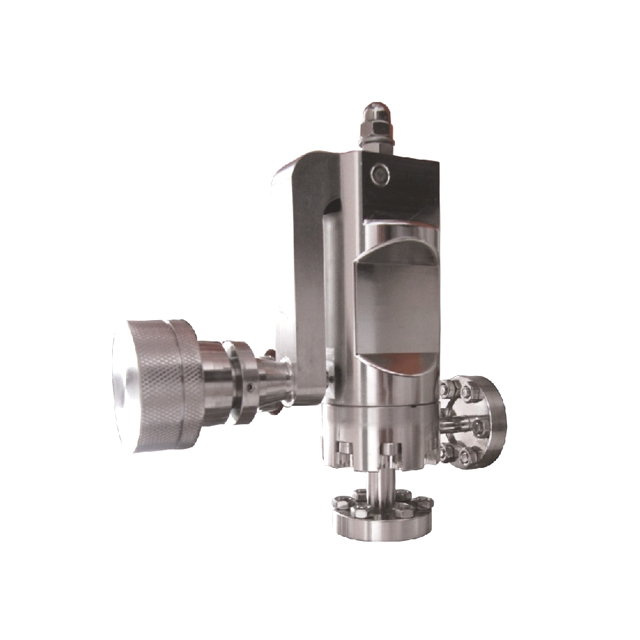
Different industries face unique pressure management challenges, making the vacuum and pressure relief valve an indispensable component in their operational ecosystems. From chemical processing plants to pharmaceutical manufacturing facilities, the vacuum and pressure relief valve protects valuable assets while ensuring worker safety and product quality. Each sector demands specific performance characteristics, reliability standards, and regulatory certifications that make selecting the right vacuum and pressure relief valve critical to long-term success.
Chemical and Petrochemical Processing Industries
Hazardous Process Protection
The chemical and petrochemical sectors depend fundamentally on vacuum and pressure relief valve technology to manage volatile substances and extreme process conditions. In refineries and chemical manufacturing plants, reactors operate under carefully controlled pressure ranges that can shift rapidly during exothermic reactions. The vacuum and pressure relief valve prevents dangerous pressure buildups that could rupture equipment, contaminate the environment, or threaten worker safety. These facilities process corrosive chemicals, flammable compounds, and reactive mixtures that demand instantaneous pressure response, making the vacuum and pressure relief valve's rapid actuation capability essential for accident prevention and regulatory compliance.
Multi-Stage Pressure Management
Chemical plants often employ multiple vacuum and pressure relief valve units throughout production lines, each calibrated for specific process stages and safety thresholds. Distillation columns, separation vessels, and reaction chambers all require independent vacuum and pressure relief valve protection to prevent cascade failures across interconnected systems. Operators must verify that each vacuum and pressure relief valve maintains proper setpoint calibration and responds reliably to pressure spikes, temperature fluctuations, and composition changes that naturally occur during production cycles. The vacuum and pressure relief valve selection process in these environments requires deep technical knowledge of material compatibility, flow capacity, and response times.
Pharmaceutical and Life Sciences Manufacturing
Sterility and Product Integrity Requirements
Pharmaceutical manufacturers face unique constraints where the vacuum and pressure relief valve must protect sterile environments while maintaining product purity and preventing contamination. Bioreactor vessels, fermentation tanks, and freeze-drying chambers all require specialized vacuum and pressure relief valve configurations that prevent external air contamination while safely relieving internal pressure buildup. Regulatory frameworks including FDA and EMA requirements demand comprehensive documentation, validation, and regular certification of every vacuum and pressure relief valve in pharmaceutical operations. The vacuum and pressure relief valve must function flawlessly during long production runs where any malfunction could necessitate destroying hundreds of thousands of dollars in pharmaceutical inventory.
Validation and Traceability Standards
Pharmaceutical facilities must maintain detailed maintenance records and performance logs for every installed vacuum and pressure relief valve, demonstrating compliance with Good Manufacturing Practice guidelines. Each vacuum and pressure relief valve requires individual serial number tracking, calibration certificates, and pressure test documentation that remains auditable for years after installation. The cost of selecting an unreliable vacuum and pressure relief valve extends beyond equipment replacement to include regulatory fines, product recalls, and damage to manufacturing reputation. Pharmaceutical companies invest heavily in premium vacuum and pressure relief valve brands specifically rated for pharmaceutical applications where failure costs are measured in millions of dollars.
Food and Beverage Processing Operations
Pressure Control in Sterilization and Cooking
Food and beverage manufacturers depend on vacuum and pressure relief valve systems in autoclaves, cookers, and sterilization chambers that process everything from beverages to packaged meats. The vacuum and pressure relief valve must withstand frequent pressure cycling, temperature extremes, and exposure to food residues and moisture that accelerate corrosion in standard industrial valves. Retort vessels used for canning and sterilization operate at elevated temperatures and pressures where the vacuum and pressure relief valve provides the only barrier between safe processing conditions and equipment rupture or explosion. Food safety regulations demand that every vacuum and pressure relief valve receives regular inspection and replacement according to manufacturer specifications and safety standards.
Backup Safety in Filling and Packaging
Pressurized filling lines and carbonation systems require multiple redundant vacuum and pressure relief valve units to protect against overpressurization from mechanical failures or operator error. The vacuum and pressure relief valve in these applications must respond within milliseconds to prevent bottle ruptures, conveyor system damage, or product spillage that creates safety hazards and production downtime. Food manufacturers cannot tolerate vacuum and pressure relief valve malfunctions because even brief equipment failures interrupt continuous production lines serving supermarket shelves nationwide.
Energy Generation and Power Plant Applications
Steam System Protection in Thermal Plants
Power generation facilities, district heating systems, and industrial steam networks rely on vacuum and pressure relief valve installations throughout steam generation, distribution, and condensing equipment. The vacuum and pressure relief valve protects boilers, superheaters, and heat exchangers operating at pressures exceeding 1000 psi where catastrophic failure could trigger explosions or equipment damage costing millions of dollars. Utility companies maintain strict maintenance schedules for every vacuum and pressure relief valve because unexpected steam system failures disrupt electricity generation and heating delivery to thousands of customers. Nuclear power plants employ specialized vacuum and pressure relief valve designs rated for extreme conditions, radiation environments, and decades of continuous operation without replacement.
Cooling System Pressure Management
Thermal power plants integrate vacuum and pressure relief valve units into closed-loop cooling circuits that condense steam and regulate system pressure during normal operation and emergency shutdown scenarios. The vacuum and pressure relief valve must prevent vacuum collapse when cooling systems cool rapidly during unexpected shutdowns or maintenance procedures. Engineers specify vacuum and pressure relief valve designs that balance rapid pressure response with stable, consistent operation across millions of load cycles, ensuring reliable power generation and equipment longevity throughout multi-decade operating lifespans.
Oil and Gas Extraction and Refining
Wellhead and Transportation Safety
Upstream oil and gas operations deploy vacuum and pressure relief valve systems at wellheads, separation facilities, and pipeline headers where natural pressure fluctuations and production variations create constant pressure management challenges. The vacuum and pressure relief valve protects expensive downhole equipment, surface facilities, and personnel from uncontrolled pressure releases that could trigger fires, explosions, or environmental contamination. Offshore drilling platforms and remote wellheads demand vacuum and pressure relief valve units rated for extreme temperature ranges, saltwater corrosion, and years of continuous operation in isolated locations where replacement becomes extremely difficult and expensive.
Refinery Processing Pressure Control
Downstream refinery operations employ multiple vacuum and pressure relief valve installations throughout crude distillation units, hydrotreating reactors, and product separation vessels operating under extreme temperatures and pressures. The vacuum and pressure relief valve protects vacuum distillation units where internal pressure management directly affects fuel quality and production efficiency. Oil and gas companies specify vacuum and pressure relief valve designs that withstand hydrogen-containing atmospheres, high-temperature sulfidic corrosion, and pressure cycling patterns that characterize modern refinery operations.
FAQ
What pressure ranges do industrial vacuum and pressure relief valve units typically handle?
Industrial vacuum and pressure relief valve units range from low-pressure applications around 15 psi to ultra-high-pressure systems exceeding 10,000 psi, depending on the specific industry and equipment type. The vacuum and pressure relief valve setpoint must align precisely with equipment design specifications, system operating conditions, and regulatory safety factors. Engineers select vacuum and pressure relief valve sizes and response characteristics by calculating maximum expected pressures and determining acceptable overpressure limits before automatic discharge activation.
How do industries ensure vacuum and pressure relief valve reliability and compliance?
Industries maintain vacuum and pressure relief valve reliability through comprehensive preventive maintenance programs, regular calibration testing, and mandatory replacement intervals specified by equipment manufacturers and regulatory authorities. The vacuum and pressure relief valve undergoes periodic bench testing where technicians verify setpoint accuracy, measure cracking pressure, and inspect internal components for wear or corrosion. Regulatory frameworks including ASME Boiler and Pressure Vessel Code, API standards, and industry-specific guidelines establish vacuum and pressure relief valve inspection frequencies, documentation requirements, and performance certifications.
Which industries face the highest regulatory requirements for vacuum and pressure relief valve installations?
Pharmaceutical, food processing, and nuclear power industries face the most stringent regulatory requirements for vacuum and pressure relief valve documentation, maintenance, and validation because product safety and public protection directly depend on system reliability. The vacuum and pressure relief valve in these sectors requires complete traceability from manufacturing through installation, comprehensive performance history documentation, and adherence to Good Manufacturing Practice or equivalent regulatory standards. These industries accept higher vacuum and pressure relief valve costs as acceptable investments in regulatory compliance, product safety, and operational security.