 EN
EN

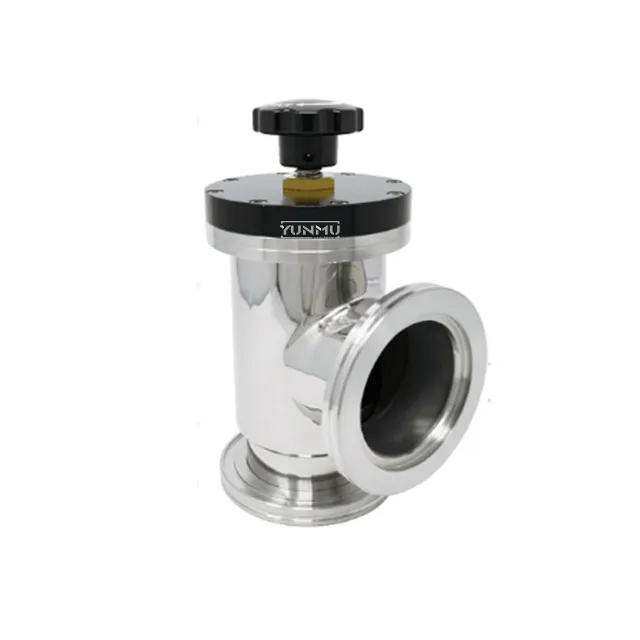
In any industrial fluid or gas handling system, maintaining stable operating conditions is not simply a matter of convenience — it is a fundamental engineering requirement. When pressure levels fluctuate beyond safe thresholds, or when vacuum conditions develop unexpectedly, the consequences can range from minor inefficiencies to catastrophic equipment failure. A vacuum and pressure relief valve is one of the most effective mechanical solutions for managing these dual-directional risks, providing automatic protection that keeps systems operating within their designed parameters.
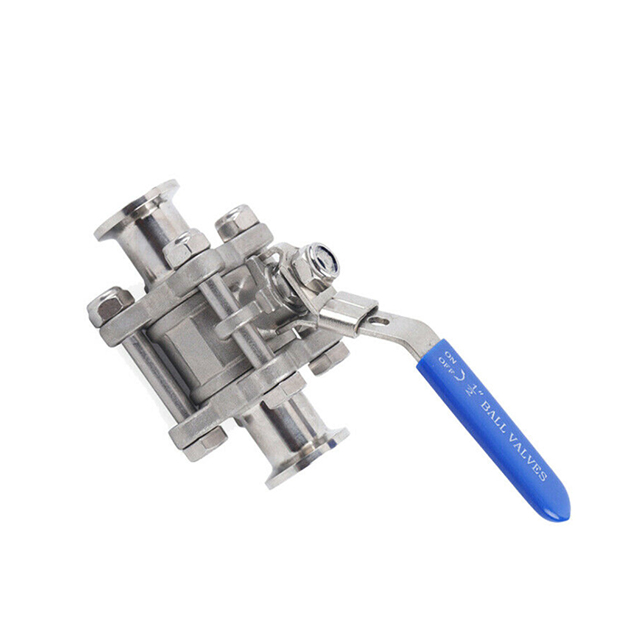
Understanding how a vacuum and pressure relief valve contributes to system stability requires looking at both the mechanical principles behind its operation and the real-world scenarios where its absence would lead to serious problems. This article explores the functional logic of the vacuum and pressure relief valve, the specific ways it stabilizes industrial systems, and the engineering considerations that make it an indispensable component in modern process and storage applications.
The Dual-Function Mechanism of a Vacuum and Pressure Relief Valve
How Pressure Relief Works
When internal pressure within a vessel, pipeline, or storage tank rises above a predetermined set point, the vacuum and pressure relief valve responds by opening its pressure-side seat. This controlled release allows excess gas or vapor to escape, reducing the internal pressure back to a safe operating level. The valve then reseats once pressure normalizes, preventing continuous venting and maintaining system integrity.
This mechanism is critical in systems where thermal expansion, chemical reactions, or sudden flow changes can cause rapid pressure buildup. Without a vacuum and pressure relief valve in place, the only alternative would be a rupture disk or, worse, an uncontrolled failure of the vessel wall. The relief function essentially acts as a pressure ceiling, ensuring that no matter what happens upstream or downstream, the system cannot exceed its structural limits.
The set pressure of the relief side is typically calibrated during manufacturing or installation to match the maximum allowable working pressure of the connected equipment. This precision calibration is what makes the vacuum and pressure relief valve a reliable safety device rather than a passive fitting.
How Vacuum Relief Works
The vacuum relief side of the valve operates on the opposite principle. When internal pressure drops below atmospheric pressure — creating a vacuum condition — the valve opens its vacuum-side seat to allow ambient air or inert gas to enter the system. This prevents the vessel or pipeline from collapsing inward under the differential pressure load.
Vacuum conditions can develop in storage tanks during product withdrawal, in pipelines during rapid pump shutdown, or in process vessels during cooling cycles. In each of these scenarios, the vacuum and pressure relief valve provides an immediate corrective response without requiring operator intervention. The valve senses the pressure differential and reacts mechanically, making it a passive but highly responsive safety device.
Together, the pressure relief and vacuum relief functions give the vacuum and pressure relief valve its defining characteristic: bidirectional protection. This dual capability is what distinguishes it from single-function pressure relief valves and makes it particularly valuable in systems where both overpressure and under-pressure events are plausible operating risks.
System Stability Benefits Delivered by a Vacuum and Pressure Relief Valve
Preventing Structural Damage to Vessels and Pipelines
One of the most direct ways a vacuum and pressure relief valve improves system stability is by protecting the physical integrity of containment equipment. Storage tanks, in particular, are designed with specific pressure and vacuum ratings. Exceeding either limit — even briefly — can cause permanent deformation, weld cracking, or seal failure. The vacuum and pressure relief valve acts as a continuous guardian against both types of structural stress.
In above-ground storage tanks used for fuels, chemicals, or water, the vacuum and pressure relief valve is often the primary line of defense against tank breathing losses and structural collapse. When product is pumped out rapidly, the resulting vacuum can exert enormous inward force on tank walls. The valve's vacuum relief function neutralizes this force by equalizing pressure before damage can occur.
Similarly, during filling operations or temperature-driven vapor expansion, the pressure relief function prevents the tank from becoming over-pressurized. This bidirectional protection means the vacuum and pressure relief valve is actively contributing to system stability during virtually every phase of normal operation, not just during emergencies.
Maintaining Process Consistency and Flow Stability
Beyond protecting physical equipment, the vacuum and pressure relief valve also contributes to process stability by preventing the pressure fluctuations that disrupt flow rates, mixing ratios, and reaction conditions. In chemical processing, pharmaceutical manufacturing, and food production, even modest pressure deviations can alter product quality or process yield.
When a vacuum and pressure relief valve maintains pressure within a narrow operating band, downstream equipment such as pumps, meters, and control valves can function as designed. Flow rates remain predictable, instrumentation readings stay accurate, and automated control systems do not need to compensate for large pressure swings. The result is a more stable, efficient, and repeatable process.
This stabilizing effect is especially important in continuous production environments where any interruption or deviation carries significant cost. The vacuum and pressure relief valve essentially absorbs pressure transients before they propagate through the system, acting as a buffer that protects both equipment and process quality simultaneously.
Engineering Considerations for Selecting the Right Vacuum and Pressure Relief Valve
Set Pressure and Vacuum Rating Alignment
Selecting a vacuum and pressure relief valve requires careful alignment between the valve's set points and the system's actual operating envelope. The pressure relief set point must be below the maximum allowable working pressure of the weakest component in the system, while the vacuum relief set point must be above the minimum pressure the system can safely sustain.
If the set points are too conservative, the vacuum and pressure relief valve may open during normal operating fluctuations, causing unnecessary venting or air ingress. If the set points are too aggressive, the valve may not activate until after damage has already begun. Proper engineering analysis of the system's pressure profile is therefore essential before specifying a vacuum and pressure relief valve.
Many industrial applications also require the vacuum and pressure relief valve to be adjustable, allowing operators to fine-tune set points as process conditions evolve over time. This flexibility adds to the valve's long-term value as a system stability tool.
Material Compatibility and Environmental Suitability
The materials used in a vacuum and pressure relief valve must be compatible with the media it will contact, whether that is a corrosive chemical, a flammable hydrocarbon, a food-grade liquid, or simply ambient air. Seat materials, body alloys, and sealing compounds all affect the valve's performance, longevity, and safety in specific environments.
In corrosive chemical service, stainless steel or PTFE-lined vacuum and pressure relief valve designs are typically preferred. In cryogenic applications, materials must retain their mechanical properties at extremely low temperatures. In food and pharmaceutical service, the vacuum and pressure relief valve must meet hygienic design standards to prevent contamination.
Environmental factors such as ambient temperature range, exposure to UV radiation, and the presence of particulates in the vented stream also influence material selection. A vacuum and pressure relief valve that is correctly specified for its environment will maintain consistent performance over its service life, contributing to long-term system stability rather than becoming a maintenance liability.
Installation and Maintenance Practices That Sustain Valve Performance
Correct Installation Orientation and Location
The effectiveness of a vacuum and pressure relief valve depends significantly on where and how it is installed. Most designs are intended for vertical installation on the top of a vessel or at the highest point of a pipeline, where vapor accumulates and where pressure differentials are most accurately sensed. Installing a vacuum and pressure relief valve in a horizontal or inverted orientation can impair its seating behavior and reduce its responsiveness.
The valve should also be located to minimize the influence of flow-induced pressure drops between the protected equipment and the valve inlet. Long inlet pipe runs with high flow resistance can cause the valve to sense a lower pressure than actually exists at the vessel, potentially delaying its response. Short, direct connections are generally preferred for vacuum and pressure relief valve installations.
Proper installation also includes ensuring that the vent outlet of the vacuum and pressure relief valve is directed safely away from personnel, ignition sources, and sensitive equipment. In hazardous environments, the vent may need to be piped to a collection or treatment system rather than released directly to atmosphere.
Routine Inspection and Testing Protocols
A vacuum and pressure relief valve that is never tested may fail silently — remaining closed when it should open, or remaining open when it should reseat. Regular inspection and functional testing are therefore essential components of any maintenance program that relies on the vacuum and pressure relief valve for system protection.
Inspection intervals depend on the severity of service, the media handled, and applicable regulatory requirements. In general, a vacuum and pressure relief valve in clean, non-corrosive service may only require annual inspection, while valves in aggressive chemical or high-cycle service may need quarterly checks. Each inspection should verify that the seating surfaces are clean and undamaged, that the set points have not drifted, and that the valve moves freely without sticking.
Functional testing — either in-situ or on a test bench — confirms that the vacuum and pressure relief valve opens at its specified set point and reseats cleanly afterward. Documenting these test results creates a maintenance record that supports both regulatory compliance and informed decision-making about valve replacement or recalibration.
FAQ
What is the primary difference between a vacuum and pressure relief valve and a standard pressure relief valve?
A standard pressure relief valve only protects against overpressure by venting excess pressure to atmosphere. A vacuum and pressure relief valve provides bidirectional protection, handling both overpressure events and under-pressure or vacuum conditions. This makes the vacuum and pressure relief valve suitable for systems where both types of pressure deviation are possible, such as storage tanks that are alternately filled and emptied.
How does a vacuum and pressure relief valve respond to rapid pressure changes?
The vacuum and pressure relief valve responds mechanically and passively to pressure differentials. When internal pressure exceeds the relief set point, the pressure seat opens automatically. When internal pressure drops below atmospheric pressure to the vacuum set point, the vacuum seat opens to admit air or gas. Both responses occur without operator input, making the vacuum and pressure relief valve effective even during sudden or unexpected pressure transients.
Can a vacuum and pressure relief valve be used in both liquid and gas service?
Yes, a vacuum and pressure relief valve can be applied in systems handling gases, vapors, and liquids, though the specific design and materials must be matched to the media. In liquid service, the valve typically vents vapor or gas from the headspace above the liquid. In gas or vapor service, it directly manages the gaseous phase. Selecting the correct vacuum and pressure relief valve design for the specific media ensures reliable performance and prevents issues such as liquid carryover or seat fouling.
How often should a vacuum and pressure relief valve be inspected or replaced?
Inspection frequency for a vacuum and pressure relief valve depends on the operating environment, media aggressiveness, and applicable industry standards. In general service, annual inspection is a common baseline. In corrosive, high-temperature, or high-cycle applications, more frequent inspection is advisable. Replacement is typically triggered by evidence of seat damage, set point drift, or failure to reseat cleanly. Following the manufacturer's maintenance guidelines and any relevant regulatory requirements ensures the vacuum and pressure relief valve continues to provide reliable system protection throughout its service life.
Table of Contents
- The Dual-Function Mechanism of a Vacuum and Pressure Relief Valve
- System Stability Benefits Delivered by a Vacuum and Pressure Relief Valve
- Engineering Considerations for Selecting the Right Vacuum and Pressure Relief Valve
- Installation and Maintenance Practices That Sustain Valve Performance
-
FAQ
- What is the primary difference between a vacuum and pressure relief valve and a standard pressure relief valve?
- How does a vacuum and pressure relief valve respond to rapid pressure changes?
- Can a vacuum and pressure relief valve be used in both liquid and gas service?
- How often should a vacuum and pressure relief valve be inspected or replaced?