 EN
EN

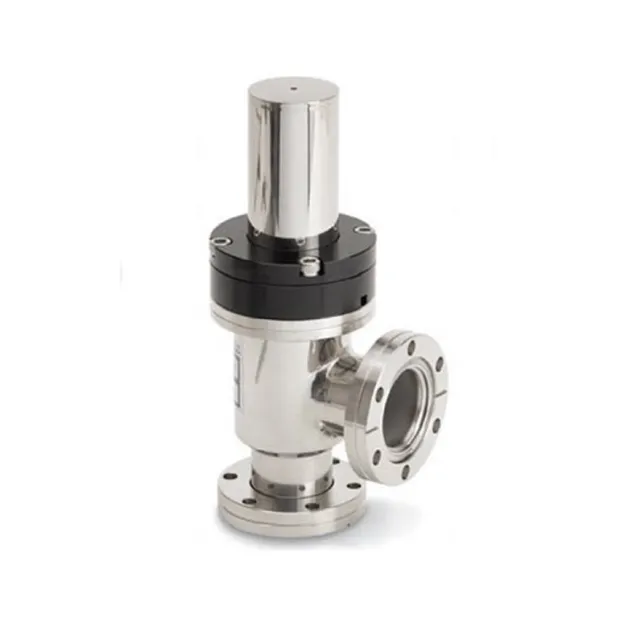
A vacuum and pressure relief valve represents one of the most critical safety components in modern industrial systems. These devices protect equipment, personnel, and processes by automatically releasing excess pressure or preventing dangerous vacuum conditions that could otherwise cause catastrophic failures. Understanding why a vacuum and pressure relief valve matters is essential for anyone responsible for plant operations, maintenance, or safety compliance.
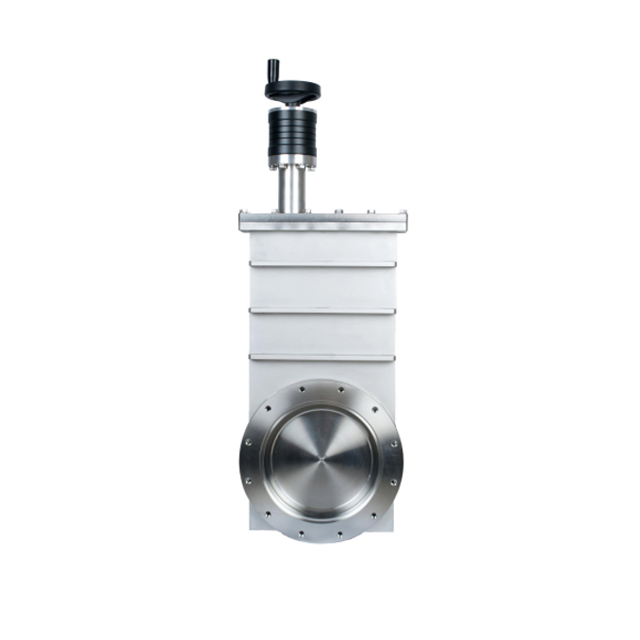
Industrial facilities operate under extreme conditions where pressure and vacuum states can develop rapidly and unpredictably. Without proper protection mechanisms, the consequences range from equipment damage and production downtime to serious injuries or fatalities. A vacuum and pressure relief valve addresses these risks by functioning as an automatic guardian, responding instantly to dangerous conditions without requiring human intervention. This passive safety approach makes it indispensable across refineries, chemical plants, pharmaceutical facilities, food processing operations, and countless other industries.
The Critical Role of Pressure Relief in System Protection
Understanding Overpressure Hazards
Overpressure conditions develop when system pressure exceeds design limits, creating immense mechanical stress on vessels, pipes, and connected equipment. A vacuum and pressure relief valve protects against this danger by sensing pressure buildup and opening automatically when safe thresholds are reached. This prevents the catastrophic rupture of tanks, the failure of welded joints, and the explosive release of contents that could devastate surrounding areas. The valve operates based on carefully calibrated set points that match specific system requirements, ensuring protection without unnecessary venting of valuable or hazardous materials.
Maintaining Equipment Integrity
Equipment longevity depends directly on protecting components from sustained overpressure exposure. A vacuum and pressure relief valve prevents chronic stress that degrades materials, weakens seals, and accelerates failure of expensive infrastructure. By limiting maximum operating pressure to design specifications, this valve extends equipment service life significantly. Industrial operators recognize that investing in quality vacuum and pressure relief valve systems reduces long-term maintenance costs, minimizes unexpected shutdowns, and preserves valuable capital assets across their facilities.
Vacuum Protection and System Stability
Preventing Vacuum-Induced Collapse
Vacuum conditions develop when internal pressure drops below atmospheric pressure, creating a dangerous imbalance that can implode vessels, distort pipelines, and damage connected equipment. A vacuum and pressure relief valve addresses this hazard by allowing atmospheric air to enter the system when pressure falls below safe levels. This vacuum protection feature prevents structural collapse, maintains system integrity, and ensures equipment can withstand the forces generated by pressure differentials. Many industrial processes, particularly in chemical processing and food manufacturing, encounter vacuum risks that would cause equipment failure without proper relief mechanisms.
Operational Continuity and Safety
Systems protected by a properly functioning vacuum and pressure relief valve maintain stable operating conditions that support continuous production. When vacuum conditions are prevented, equipment operates within design parameters, reducing the likelihood of sudden failures that interrupt operations. This operational stability is particularly important in facilities where process interruptions cause cascading problems throughout interconnected systems. A vacuum and pressure relief valve ensures that normal operations proceed without unexpected stoppages caused by pressure or vacuum anomalies.
Regulatory Compliance and Risk Management
Meeting Industry Standards and Codes
Industrial regulations, including ASME codes, API standards, and local safety requirements, mandate that pressure systems include appropriate relief protection. A vacuum and pressure relief valve satisfies these regulatory obligations by providing documented, certified protection mechanisms that meet or exceed industry standards. Facilities operating without compliant vacuum and pressure relief valve systems face regulatory fines, operational permits being revoked, and potential liability exposure. Compliance professionals recognize that installing certified vacuum and pressure relief valve equipment demonstrates commitment to safety standards and protects organizations from enforcement actions.
Liability Reduction and Insurance Benefits
Insurance carriers recognize facilities with comprehensive vacuum and pressure relief valve protection as lower-risk operations deserving favorable policy terms and lower premiums. Accidents involving unprotected pressure or vacuum conditions create massive liability exposure when equipment failures cause injuries, environmental damage, or property loss. Organizations implementing robust vacuum and pressure relief valve systems reduce their insurance risk profile substantially. Documentation showing proper installation, maintenance, and testing of vacuum and pressure relief valve equipment provides crucial evidence of diligent safety practices if incidents occur.
Real-World Application Scenarios
Chemical Processing and Reaction Management
Chemical reactors generate pressure unpredictably as reactions proceed, requiring immediate vacuum and pressure relief valve intervention when conditions approach dangerous levels. A vacuum and pressure relief valve prevents exothermic reactions from developing uncontrolled pressure that could rupture reactors and release hazardous chemicals. Pharmaceutical manufacturers depend on vacuum and pressure relief valve protection during fermentation, distillation, and other processes where pressure and vacuum states fluctuate rapidly. These applications demonstrate how critical a properly sized and calibrated vacuum and pressure relief valve becomes for managing inherently risky chemical processes safely.
Thermal and Cryogenic System Protection
Temperature changes in sealed systems create pressure swings that require immediate relief to prevent structural failure. A vacuum and pressure relief valve protects cryogenic tanks, thermal storage systems, and heat exchanger equipment by preventing pressure and vacuum extremes. Steam systems generate rapid pressure changes requiring a vacuum and pressure relief valve rated for the specific thermal dynamics involved. Industrial steam users understand that vacuum and pressure relief valve selection and maintenance directly determine whether steam systems operate safely or risk dangerous explosions from uncontrolled pressure buildup.
FAQ
What happens if a vacuum and pressure relief valve fails to open during an overpressure event?
System failure becomes likely if a vacuum and pressure relief valve does not respond to overpressure conditions. Pressure continues rising uncontrolled until equipment ruptures, releases contents explosively, and potentially injures personnel or damages surrounding infrastructure. This is why regular testing and maintenance of vacuum and pressure relief valve systems is mandatory—a failed vacuum and pressure relief valve provides no protection and creates acute safety hazards. Facilities must establish preventive maintenance schedules ensuring vacuum and pressure relief valve operability.
How does a vacuum and pressure relief valve differ from other safety devices?
A vacuum and pressure relief valve operates passively without requiring external power or human activation, distinguishing it from alarm systems or manual controls. Unlike check valves that only prevent backflow, a vacuum and pressure relief valve actively releases pressure or admits air to maintain system balance. Safety rupture discs provide one-time protection but require replacement after activation, while a vacuum and pressure relief valve remains reusable through repeated cycles. This combination of automatic response, reusability, and dual pressure-vacuum protection makes the vacuum and pressure relief valve uniquely valuable for comprehensive system safety.
Can a single vacuum and pressure relief valve protect multiple connected systems?
A vacuum and pressure relief valve must be sized and installed to protect the specific system it serves, as interconnected systems often have different pressure and vacuum protection requirements. Installing one undersized vacuum and pressure relief valve to protect multiple systems may result in inadequate protection for some equipment. Proper system design typically requires individual vacuum and pressure relief valve units calibrated to each distinct vessel or process section. Facility engineers must evaluate specific system configurations to determine whether one vacuum and pressure relief valve provides sufficient protection or multiple units are necessary for safety compliance.