
 EN
EN
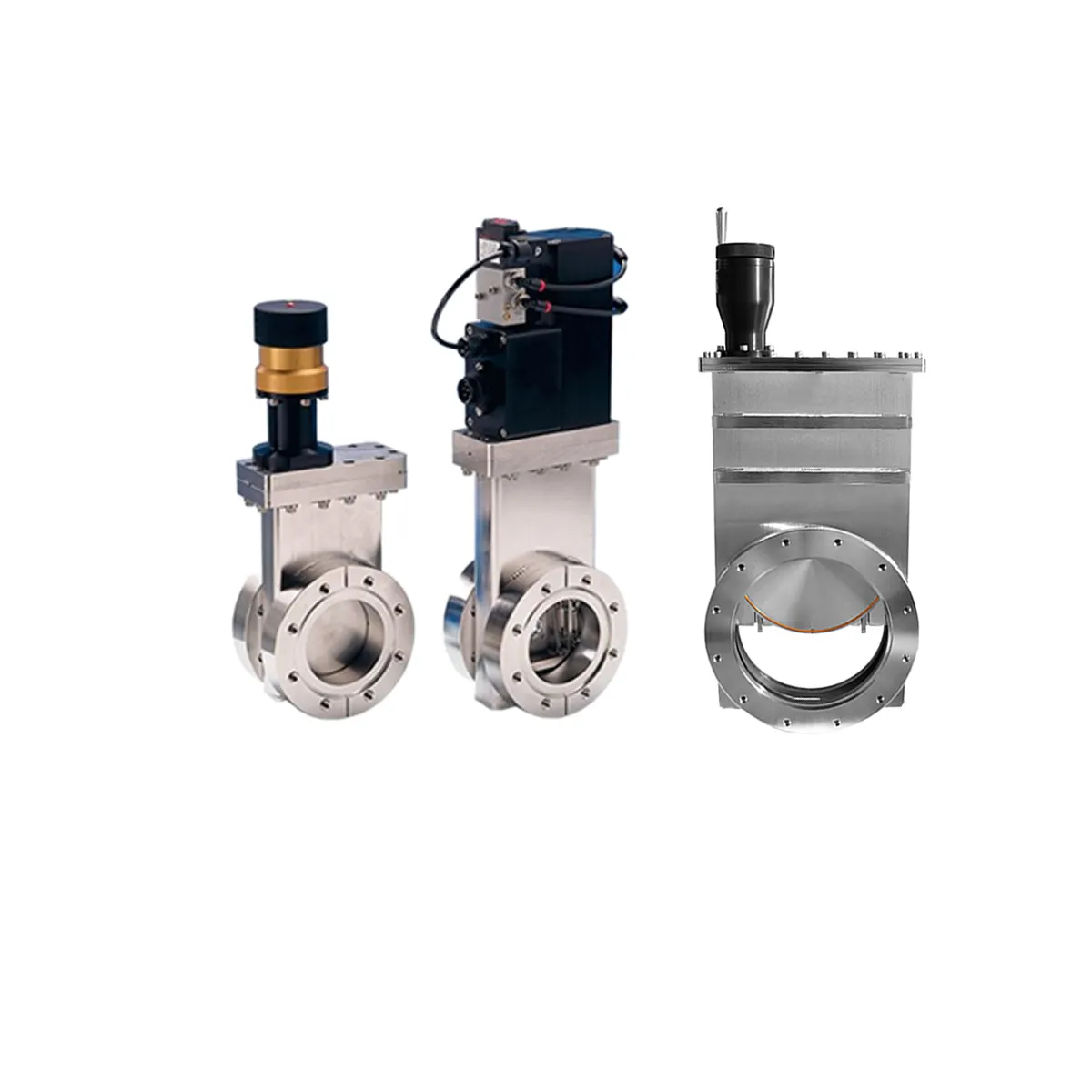
Research laboratories across diverse scientific disciplines require specialized equipment that meets their unique operational demands. Custom vacuum systems have emerged as essential tools for researchers who need precise control over vacuum levels, chamber configurations, and system performance parameters. These tailored solutions enable scientists to conduct experiments that would be impossible with standard off-the-shelf vacuum equipment, providing the flexibility and precision necessary for cutting-edge research applications.

The demand for custom vacuum systems continues to grow as research methodologies become increasingly sophisticated and specialized. Modern laboratories require vacuum solutions that can accommodate specific sample types, processing temperatures, and atmospheric conditions while maintaining exceptional reliability and reproducibility. Understanding how these systems can be tailored to meet research requirements is crucial for laboratory managers and researchers seeking optimal performance from their vacuum equipment.
Understanding Research-Specific Vacuum Requirements
Vacuum Level Specifications for Different Applications
Research applications span an enormous range of vacuum requirements, from rough vacuum levels needed for basic sample preparation to ultra-high vacuum conditions required for surface analysis and materials characterization. Custom vacuum systems can be designed to achieve specific vacuum levels ranging from 10^-3 torr for general laboratory use to 10^-11 torr for advanced spectroscopy and microscopy applications. The choice of pumping technology, system geometry, and material selection all influence the ultimate vacuum performance achievable.
Different research fields have distinct vacuum level requirements that must be carefully considered during system design. For example, electron beam lithography requires ultra-high vacuum conditions to prevent contamination of delicate patterns, while freeze-drying applications may only need moderate vacuum levels but require precise temperature control. Custom vacuum systems allow researchers to specify exact vacuum ranges and ensure their equipment performs optimally within those parameters.
The pumping speed requirements also vary significantly between applications, with some processes requiring rapid evacuation while others benefit from gradual, controlled pumping. Custom vacuum systems can incorporate multiple pumping stages and variable speed controls to accommodate these diverse needs, ensuring that vacuum levels are achieved and maintained according to specific research protocols.
Chamber Configuration and Size Considerations
Research applications often require non-standard chamber configurations that cannot be accommodated by commercial vacuum systems. Custom vacuum systems can be designed with chambers of virtually any size or shape, from compact benchtop units for small samples to large-scale chambers capable of processing bulk materials or multiple samples simultaneously. The chamber geometry can be optimized for specific loading mechanisms, sample manipulation requirements, or observation ports.
Sample accessibility represents another critical factor in chamber design, as researchers need convenient access for sample loading, manipulation, and monitoring during processes. Custom vacuum systems can incorporate specialized feedthroughs, manipulators, and viewing ports positioned exactly where needed for specific research applications. This level of customization ensures that researchers can conduct their experiments efficiently without compromising vacuum integrity.
Temperature control requirements also influence chamber design, with some applications requiring heating capabilities up to 1000°C or cooling down to cryogenic temperatures. Custom vacuum systems can integrate appropriate heating or cooling systems directly into the chamber design, ensuring uniform temperature distribution and precise control throughout the experimental process.
Advanced Pumping Technologies for Research
Selecting Appropriate Pump Combinations
The heart of any vacuum system lies in its pumping configuration, and custom vacuum systems offer the flexibility to combine different pump technologies for optimal performance. Turbomolecular pumps provide clean, oil-free pumping for ultra-high vacuum applications, while scroll pumps offer reliable backing pump performance without the maintenance requirements of rotary vane pumps. Ion pumps can maintain ultra-high vacuum conditions indefinitely once achieved, making them ideal for long-term experiments.
Pump sizing and staging represent critical design decisions that directly impact system performance and operating costs. Custom vacuum systems can incorporate precisely sized pumps to match the gas load and pumping speed requirements of specific applications, avoiding over-specification that leads to unnecessary energy consumption and under-specification that results in inadequate performance. Multiple pumping stages can be configured to optimize pumping efficiency across the entire pressure range.
Specialized pumping solutions may be required for research applications involving corrosive gases, reactive materials, or contamination-sensitive processes. Custom vacuum systems can integrate chemical-resistant pumps, getter pumps, or specialized trap systems to handle these challenging applications while maintaining system performance and longevity.
Integration of Measurement and Control Systems
Modern research requires precise monitoring and control of vacuum conditions throughout experimental processes. Custom vacuum systems can integrate sophisticated measurement systems including multiple vacuum gauges, residual gas analyzers, and leak detectors to provide comprehensive system monitoring. These measurement systems can be configured to provide real-time feedback for automated process control or data logging for research documentation.
Automated control systems enable researchers to implement complex vacuum profiles with precise timing and reproducible results. Custom vacuum systems can incorporate programmable logic controllers or computer-based control systems that manage pump operation, valve sequencing, and safety interlocks according to user-defined protocols. This automation reduces operator workload and improves experimental consistency.
Data acquisition capabilities can be tailored to specific research needs, with custom vacuum systems providing interfaces for external data logging systems or integration with laboratory information management systems. This connectivity enables researchers to correlate vacuum conditions with experimental results and maintain comprehensive records for research documentation and regulatory compliance.
Material Selection and Contamination Control
Ultra-Clean Material Specifications
Material selection plays a crucial role in custom vacuum systems designed for research applications, particularly those involving contamination-sensitive processes or ultra-high vacuum conditions. Stainless steel grades such as 316L provide excellent vacuum compatibility and chemical resistance, while specialized alloys may be required for high-temperature applications or compatibility with specific process gases. Surface treatments and cleaning procedures can be specified to achieve the cleanliness levels required for specific research applications.
Gasket and seal materials must be carefully selected based on the vacuum level requirements, temperature range, and chemical compatibility with process materials. Viton O-rings provide good general-purpose sealing for moderate vacuum applications, while metal gaskets enable ultra-high vacuum sealing but require precise surface finishes. Custom vacuum systems can specify appropriate seal materials and groove designs to ensure reliable, long-term sealing performance.
Internal surface finishes significantly impact vacuum performance, particularly in ultra-high vacuum applications where surface outgassing can limit achievable pressure levels. Custom vacuum systems can specify appropriate surface treatments such as electropolishing, passivation, or coating applications to minimize outgassing and improve cleanability. These surface treatments must be selected based on the specific research requirements and compatible with any cleaning or bakeout procedures.
Contamination Prevention Strategies
Research applications often require stringent contamination control to ensure experimental validity and reproducible results. Custom vacuum systems can incorporate multiple contamination prevention strategies including cold traps, molecular sieves, and getter materials to remove specific contaminants from the vacuum environment. The selection and placement of these contamination control elements can be optimized for specific research applications and contaminant types.
Particle filtration represents another important consideration for research vacuum systems, particularly those involving powder handling or machining operations. Custom vacuum systems can integrate appropriate filtration systems to prevent particle contamination of pumps and maintain clean vacuum conditions throughout the system. Filter selection and placement must be carefully considered to avoid creating additional sources of contamination or restricting vacuum performance.
Cross-contamination prevention becomes critical in research facilities handling multiple sample types or conducting sequential experiments with different materials. Custom vacuum systems can incorporate isolation valves, purge systems, and dedicated pumping lines to prevent cross-contamination between different research projects or sample types. These features ensure that experimental results are not compromised by residual contamination from previous processes.
Specialized Research Applications
Materials Science and Thin Film Research
Materials science research often requires custom vacuum systems capable of creating precisely controlled atmospheres for thin film deposition, surface modification, and materials characterization. These applications typically require ultra-high vacuum conditions combined with controlled introduction of process gases, precise temperature control, and specialized substrate handling capabilities. Custom vacuum systems can integrate multiple process capabilities within a single chamber or provide separate process modules connected through a central vacuum manifold.
Sputter deposition and molecular beam epitaxy represent demanding applications that require exceptional vacuum performance and contamination control. Custom vacuum systems for these applications can incorporate load-lock chambers to minimize contamination during sample loading, multiple source feedthroughs for co-deposition processes, and sophisticated substrate heating or cooling systems. The chamber geometry can be optimized for uniform deposition profiles and accommodation of multiple substrates simultaneously.
In-situ analysis capabilities are increasingly important for materials research, allowing researchers to characterize samples without breaking vacuum and exposing them to atmospheric contamination. Custom vacuum systems can integrate analytical instruments such as X-ray photoelectron spectroscopy, Auger electron spectroscopy, or mass spectrometry directly into the process chamber or connected through ultra-high vacuum transfer systems.
Biological and Pharmaceutical Research
Biological and pharmaceutical research applications present unique challenges for custom vacuum systems, requiring compatibility with biological materials, sterilization procedures, and regulatory compliance requirements. Freeze-drying applications require precise control over sublimation conditions, with custom vacuum systems providing accurate temperature and pressure control throughout the drying cycle. Chamber designs can accommodate various container sizes and loading configurations while ensuring uniform drying conditions.
Vacuum concentration and solvent removal applications in pharmaceutical research require custom vacuum systems that can handle organic solvents safely while achieving precise endpoint detection. These systems can incorporate explosion-proof components, solvent recovery systems, and automated process control to ensure safe and efficient operation. Material compatibility with pharmaceutical compounds and cleaning validation requirements must be carefully considered during system design.
Electron microscopy sample preparation often requires specialized vacuum chambers for critical point drying, sputter coating, or ion beam milling. Custom vacuum systems for these applications can integrate multiple preparation steps within a single system, enabling complex sample preparation protocols without atmospheric exposure between steps. The chamber configurations can be optimized for specific sample types and preparation requirements while maintaining the contamination control necessary for high-resolution microscopy.
System Integration and Laboratory Infrastructure
Space and Utility Requirements
Integrating custom vacuum systems into existing laboratory infrastructure requires careful consideration of space constraints, utility requirements, and workflow optimization. Custom designs can accommodate specific space limitations while ensuring adequate access for maintenance and operation. Modular system architectures allow for future expansion or reconfiguration as research needs evolve, providing long-term value and flexibility.
Utility requirements for custom vacuum systems must be matched to available laboratory infrastructure, considering electrical power capacity, cooling water availability, and compressed air supplies. Energy efficiency considerations are increasingly important, with custom systems designed to minimize power consumption through intelligent control systems and energy-efficient component selection. Waste heat recovery and cooling load optimization can further improve overall system efficiency.
Noise and vibration considerations become important in research environments where sensitive measurements or neighboring equipment may be affected. Custom vacuum systems can incorporate vibration isolation, acoustic enclosures, and remote pumping configurations to minimize environmental impact while maintaining full system performance. These design considerations ensure that the vacuum system enhances rather than compromises the overall laboratory environment.
Maintenance and Service Considerations
Long-term reliability and maintainability are crucial factors for research vacuum systems that may operate continuously for extended periods. Custom vacuum systems can be designed with maintenance accessibility in mind, providing convenient access to serviceable components and incorporating diagnostic systems that facilitate troubleshooting and preventive maintenance. Modular component designs enable rapid replacement of consumable items without system downtime.
Remote monitoring capabilities enable proactive maintenance scheduling and reduce the risk of unexpected system failures during critical experiments. Custom vacuum systems can integrate remote monitoring systems that provide real-time system status information, trend analysis, and predictive maintenance alerts. These capabilities are particularly valuable for research facilities operating multiple vacuum systems or conducting long-duration experiments.
Training and documentation requirements must be considered to ensure that research personnel can operate and maintain custom vacuum systems effectively. Comprehensive operating procedures, maintenance schedules, and troubleshooting guides can be developed specifically for each custom system, ensuring that users understand proper operation and can identify potential issues before they impact research activities.
Future Trends and Technological Advances
Smart Vacuum Systems and Industry 4.0
The integration of smart technologies and Industry 4.0 principles is transforming custom vacuum systems for research applications. Advanced sensors, machine learning algorithms, and predictive analytics enable vacuum systems to optimize their own performance, predict maintenance requirements, and adapt to changing process conditions automatically. These intelligent systems can learn from operational data to improve process consistency and identify optimization opportunities that may not be apparent to human operators.
Internet of Things connectivity enables custom vacuum systems to participate in broader laboratory automation networks, sharing data with other equipment and laboratory management systems. This connectivity facilitates coordinated operation of multiple systems, automatic data logging and analysis, and integration with laboratory workflow management systems. Remote access capabilities allow researchers to monitor and control their vacuum systems from anywhere, enabling more flexible research scheduling and rapid response to system alerts.
Digital twin technologies are beginning to emerge for custom vacuum systems, creating virtual replicas that can simulate system performance under various operating conditions. These digital models enable researchers to optimize processes before implementation, predict system behavior under different scenarios, and train operators without risking damage to actual equipment. As these technologies mature, they will enable more sophisticated system designs and more efficient research operations.
Emerging Materials and Technologies
Advanced materials and manufacturing technologies are enabling new possibilities for custom vacuum systems in research applications. Additive manufacturing techniques allow for complex chamber geometries and integrated cooling or heating channels that would be impossible with traditional manufacturing methods. These technologies enable more compact system designs and improved thermal management while reducing manufacturing costs for complex custom configurations.
Novel pump technologies and vacuum measurement techniques continue to expand the capabilities of custom vacuum systems. Magnetic levitation pumps eliminate mechanical wear and contamination sources, while new gauge technologies provide more accurate and reliable vacuum measurements across wider pressure ranges. These advances enable custom vacuum systems to achieve better performance and longer service life while reducing maintenance requirements.
Environmental sustainability is driving innovation in custom vacuum systems, with new technologies focused on reducing energy consumption, eliminating harmful refrigerants, and improving recyclability of system components. Renewable energy integration, waste heat recovery, and closed-loop cooling systems are becoming standard features in modern custom vacuum systems, aligning with institutional sustainability goals while reducing operating costs.
FAQ
What factors should be considered when specifying custom vacuum systems for research applications?
When specifying custom vacuum systems for research applications, several critical factors must be evaluated including the required vacuum level range, pumping speed requirements, chamber size and configuration, temperature control needs, and contamination sensitivity. Material compatibility with process gases or samples, utility requirements such as electrical power and cooling water, and integration with existing laboratory infrastructure are also important considerations. Additionally, future research needs should be anticipated to ensure the system can accommodate evolving requirements, and budget constraints must be balanced against performance requirements to achieve optimal value.
How do custom vacuum systems differ from standard commercial vacuum equipment?
Custom vacuum systems are specifically designed and manufactured to meet unique research requirements that cannot be satisfied by standard commercial equipment. They offer flexibility in chamber configuration, pumping system design, control system integration, and material selection that is not available with off-the-shelf products. Custom systems can accommodate specific sample sizes, processing conditions, and performance requirements while providing optimized solutions for particular research applications. While commercial equipment offers cost advantages and shorter delivery times, custom systems provide superior performance and functionality for specialized research needs.
What maintenance requirements should be expected for research-grade custom vacuum systems?
Research-grade custom vacuum systems typically require regular maintenance including pump oil changes, seal replacement, gauge calibration, and system leak checking. The specific maintenance requirements depend on the system configuration, operating conditions, and duty cycle, but preventive maintenance schedules should be established to ensure reliable operation and prevent unexpected failures during critical experiments. Many custom systems incorporate diagnostic monitoring that can predict maintenance needs and alert operators to potential issues before they impact system performance. Proper training of research personnel and availability of spare parts are essential for maintaining optimal system performance over the long term.
How long does it typically take to design and deliver a custom vacuum system?
The design and delivery timeline for custom vacuum systems varies significantly depending on the system complexity, component availability, and manufacturer workload. Simple custom configurations may be completed in 8-12 weeks, while complex multi-chamber systems with specialized components may require 6-12 months or longer. The design phase typically takes 2-4 weeks and includes detailed engineering drawings, component specifications, and performance calculations. Manufacturing time depends on the complexity of fabrication requirements and availability of specialized components. Researchers should plan well in advance and work closely with manufacturers to establish realistic delivery schedules that accommodate their research timelines.
Table of Contents
- Understanding Research-Specific Vacuum Requirements
- Advanced Pumping Technologies for Research
- Material Selection and Contamination Control
- Specialized Research Applications
- System Integration and Laboratory Infrastructure
- Future Trends and Technological Advances
-
FAQ
- What factors should be considered when specifying custom vacuum systems for research applications?
- How do custom vacuum systems differ from standard commercial vacuum equipment?
- What maintenance requirements should be expected for research-grade custom vacuum systems?
- How long does it typically take to design and deliver a custom vacuum system?