 EN
EN

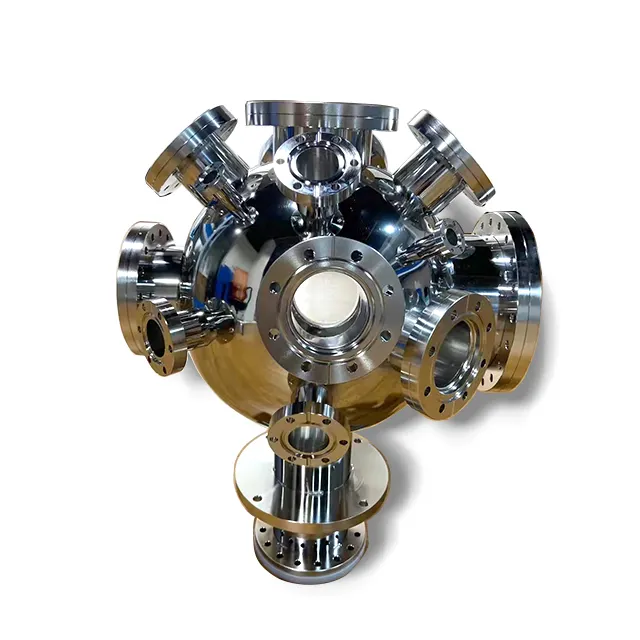
A vacuum chamber represents one of the most critical pieces of equipment in modern industrial applications, scientific research, and manufacturing processes. These specialized containers create controlled environments with significantly reduced atmospheric pressure, enabling precise operations that would be impossible under normal atmospheric conditions. Understanding the fundamental principles and applications of a vacuum chamber is essential for professionals working in aerospace, electronics, pharmaceuticals, and countless other industries where controlled atmospheric conditions are paramount to success.
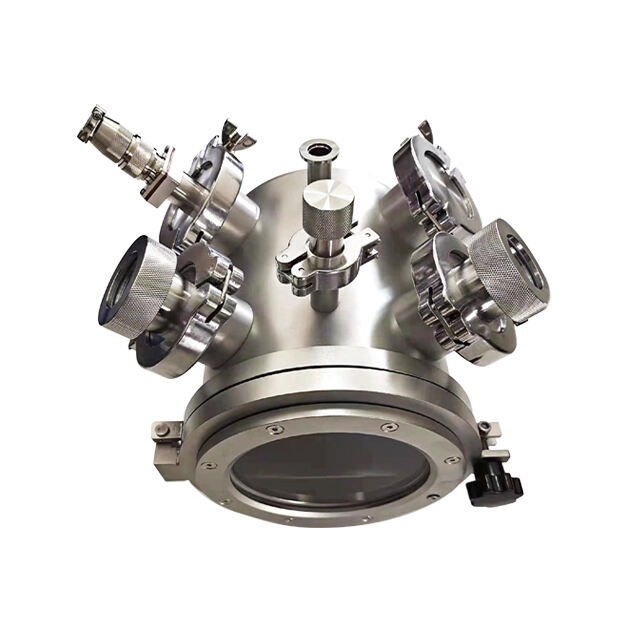
The technology behind vacuum chamber systems has evolved dramatically over the past century, transitioning from simple glass bell jars to sophisticated stainless steel vessels capable of achieving ultra-high vacuum levels. Modern vacuum chamber designs incorporate advanced materials, precision engineering, and automated control systems that ensure consistent performance across diverse industrial applications. These systems serve as the backbone for processes ranging from semiconductor manufacturing to space simulation testing, making them indispensable tools in today's technology-driven economy.
Fundamental Principles of Vacuum Chamber Operation
Understanding Vacuum Levels and Measurement
The effectiveness of any vacuum chamber depends on its ability to achieve and maintain specific pressure levels below atmospheric conditions. Vacuum levels are typically measured in torr, pascal, or millibar units, with different applications requiring varying degrees of vacuum quality. Low vacuum conditions range from atmospheric pressure down to approximately 1 torr, while high vacuum extends from 1 torr to 10^-6 torr. Ultra-high vacuum systems can achieve pressures as low as 10^-12 torr, creating environments nearly devoid of gas molecules.
The physics governing vacuum chamber operation relies on the kinetic theory of gases and molecular behavior under reduced pressure conditions. As pressure decreases within the chamber, gas molecules become increasingly sparse, reducing collisions and interactions between particles. This phenomenon enables precise control over chemical reactions, prevents oxidation, and eliminates atmospheric interference in sensitive processes. Understanding these principles is crucial for optimizing vacuum chamber performance and selecting appropriate systems for specific industrial applications.
Essential Components and Design Features
Modern vacuum chamber systems incorporate multiple interconnected components working in harmony to achieve desired pressure levels. The chamber vessel itself, typically constructed from stainless steel or aluminum, forms the primary containment structure. High-quality sealing systems, including elastomer gaskets or metal seals, ensure leak-tight performance under vacuum conditions. Pumping systems, ranging from mechanical pumps to turbo-molecular pumps, remove gases and maintain vacuum levels throughout operation cycles.
Advanced vacuum chamber designs feature sophisticated monitoring and control systems that provide real-time feedback on pressure levels, temperature, and other critical parameters. Feedthrough connections allow external equipment to interface with processes inside the chamber while maintaining vacuum integrity. These components work together to create reliable, repeatable vacuum environments essential for precision manufacturing and research applications across numerous industries.
Industrial Applications and Use Cases
Semiconductor and Electronics Manufacturing
The semiconductor industry represents one of the largest consumers of vacuum chamber technology, utilizing these systems for critical manufacturing processes including thin-film deposition, etching, and ion implantation. Vacuum chamber systems enable the precise control necessary for creating microscopic circuit patterns on semiconductor wafers. These processes require ultra-clean environments free from atmospheric contaminants that could compromise device performance or yield rates.
In electronics manufacturing, vacuum chamber applications extend beyond semiconductor fabrication to include printed circuit board processing, component testing, and quality assurance procedures. The controlled atmosphere within a vacuum chamber prevents oxidation during soldering processes and enables accurate measurement of component characteristics under simulated operating conditions. These capabilities are essential for producing reliable electronic devices that meet stringent performance specifications in consumer, industrial, and aerospace applications.
Aerospace and Defense Applications
Aerospace and defense industries rely heavily on vacuum chamber technology for testing components and systems designed to operate in the harsh environment of space. Thermal vacuum testing simulates the extreme temperature variations and vacuum conditions encountered in orbital environments, ensuring spacecraft components function reliably throughout their operational lifetime. These tests are critical for validating satellite systems, space vehicles, and scientific instruments before deployment.
Defense applications of vacuum chamber technology include testing military equipment under simulated high-altitude conditions and developing advanced materials for aerospace applications. The ability to create controlled vacuum environments enables researchers to study material behavior under extreme conditions and develop innovative solutions for next-generation defense systems. These capabilities support national security objectives while advancing scientific understanding of materials science and engineering principles.
Types and Classifications of Vacuum Chambers
Standard Pressure Range Categories
Vacuum chambers are classified according to their operating pressure ranges and intended applications. Rough vacuum systems operate between atmospheric pressure and approximately 1 torr, suitable for basic degassing operations and simple material processing applications. Medium vacuum chambers achieve pressures between 1 torr and 10^-3 torr, enabling more sophisticated processes such as vacuum distillation and certain coating applications.
High vacuum and ultra-high vacuum chamber systems represent the pinnacle of vacuum technology, capable of achieving pressures below 10^-6 torr. These systems are essential for advanced research applications, semiconductor manufacturing, and space simulation testing. The extreme vacuum levels achieved by these systems create environments with molecular densities approaching those found in outer space, enabling unprecedented control over experimental conditions and manufacturing processes.
Specialized Design Configurations
Modern vacuum chamber designs encompass a wide range of configurations tailored to specific application requirements. Cylindrical vacuum chambers offer excellent structural integrity and uniform pressure distribution, making them ideal for general-purpose applications and research environments. Rectangular chambers provide convenient access for larger components and complex experimental setups, while custom-designed chambers accommodate unique geometric requirements and specialized processing needs.
Load-lock systems represent another important category of vacuum chamber design, enabling rapid sample exchange without compromising vacuum levels in the main processing chamber. These systems significantly improve throughput in production environments while maintaining the controlled conditions necessary for sensitive processes. Multi-chamber systems connect multiple vacuum environments through transfer mechanisms, enabling complex sequential processes without atmospheric exposure between steps.
Selection Criteria and Performance Considerations
Material Selection and Construction Standards
Selecting appropriate materials for vacuum chamber construction requires careful consideration of factors including ultimate pressure requirements, operating temperature ranges, and chemical compatibility with process materials. Stainless steel remains the most popular choice for vacuum chamber construction due to its excellent corrosion resistance, low outgassing properties, and proven performance across diverse applications. Aluminum chambers offer weight advantages and superior thermal conductivity for applications requiring rapid temperature cycling or heat dissipation.
Construction standards for vacuum chamber systems emphasize leak-tight performance and long-term reliability under demanding operating conditions. Welding techniques, surface finishing, and quality control procedures must meet stringent requirements to ensure consistent vacuum performance. These standards are particularly critical for ultra-high vacuum applications where even microscopic leaks can compromise system performance and experimental results.
Pumping System Integration and Optimization
Effective vacuum chamber operation depends on proper integration of pumping systems designed to achieve and maintain required pressure levels. Mechanical pumps provide initial roughing capability, removing the bulk of atmospheric gases during pump-down cycles. Turbo-molecular pumps, diffusion pumps, or ion pumps then achieve final vacuum levels depending on specific application requirements and performance specifications.
Optimizing pumping system performance involves careful consideration of pumping speed, ultimate pressure capability, and compatibility with process gases or vapors. The pumping system must provide sufficient capacity to handle gas loads from outgassing, leakage, and process-related sources while maintaining stable vacuum levels throughout operation cycles. Proper system design ensures reliable performance and minimizes maintenance requirements over the vacuum chamber's operational lifetime.
Maintenance and Operational Best Practices
Routine Maintenance Procedures
Maintaining optimal vacuum chamber performance requires adherence to systematic maintenance procedures designed to prevent degradation and ensure consistent operation. Regular leak checking using helium mass spectrometry or other sensitive detection methods identifies potential seal failures before they compromise vacuum performance. Cleaning procedures remove accumulated contaminants from chamber surfaces and components, preventing outgassing that could affect vacuum quality or process results.
Preventive maintenance schedules should address pumping system components, including oil changes for mechanical pumps, bearing lubrication for turbo-molecular pumps, and replacement of consumable items such as seals and filters. Documentation of maintenance activities and performance trends enables proactive identification of potential issues and optimization of maintenance intervals based on actual operating conditions and requirements.
Troubleshooting Common Issues
Common vacuum chamber problems include inability to achieve target pressure levels, excessive pump-down times, and pressure instability during operation. These issues often result from leaks in the vacuum system, contamination of chamber surfaces, or degraded pumping system performance. Systematic troubleshooting procedures help identify root causes and implement effective corrective actions to restore proper operation.
Advanced diagnostic techniques, including residual gas analysis and pressure rise rate testing, provide detailed information about vacuum system performance and potential problems. These methods enable precise identification of leak locations, contamination sources, and pumping system inefficiencies. Understanding these diagnostic capabilities empowers operators to maintain peak vacuum chamber performance and minimize downtime in critical applications.
Future Developments and Emerging Technologies
Advanced Materials and Design Innovations
Ongoing research and development in vacuum chamber technology focuses on advanced materials and innovative design concepts that improve performance while reducing costs. New alloy compositions offer enhanced corrosion resistance and lower outgassing rates, enabling achievement of higher vacuum levels with improved reliability. Composite materials and advanced coatings provide specialized properties for specific applications, including improved thermal management and chemical compatibility.
Design innovations incorporate computational fluid dynamics modeling and finite element analysis to optimize chamber geometry and pumping port placement for maximum efficiency. These tools enable engineers to predict vacuum chamber performance and identify design improvements before physical prototypes are constructed, reducing development time and costs while improving final product quality.
Automation and Smart System Integration
Modern vacuum chamber systems increasingly incorporate advanced automation and smart sensor technologies that enable autonomous operation and predictive maintenance capabilities. Internet of Things connectivity allows remote monitoring and control of vacuum chamber systems, providing operators with real-time performance data and automated alerts for potential issues. Machine learning algorithms analyze operational data to optimize performance parameters and predict maintenance needs before failures occur.
Integration with manufacturing execution systems and enterprise resource planning platforms enables seamless coordination between vacuum chamber operations and broader production processes. These capabilities support Industry 4.0 initiatives and improve overall manufacturing efficiency while maintaining the precise control necessary for sensitive vacuum processes.
FAQ
What factors determine the appropriate vacuum chamber size for specific applications
Vacuum chamber sizing depends on multiple factors including the dimensions of components or samples being processed, required working space for manipulation or access, and pumping system requirements. Larger chambers require more powerful pumping systems to achieve equivalent vacuum levels, but provide greater flexibility for complex processes or multiple simultaneous operations. The optimal size balances processing requirements with cost considerations and available facility space.
How do temperature variations affect vacuum chamber performance
Temperature changes significantly impact vacuum chamber performance through effects on material outgassing rates, seal integrity, and gas solubility in chamber materials. Higher temperatures generally increase outgassing and reduce ultimate vacuum levels, while thermal cycling can stress seals and create leak paths. Many applications require temperature control systems or thermal conditioning procedures to maintain consistent vacuum performance across operating temperature ranges.
What safety considerations are essential for vacuum chamber operation
Vacuum chamber safety considerations include protection against implosion hazards, proper handling of hazardous materials or processes, and emergency procedures for rapid pressure equalization. Operators must understand pressure vessel safety requirements, proper venting procedures, and personal protective equipment requirements for specific applications. Regular safety inspections and training programs ensure safe operation and compliance with applicable safety standards and regulations.
How can vacuum chamber contamination be prevented and controlled
Contamination control involves multiple strategies including proper cleaning procedures, material selection, and operational practices designed to minimize introduction of contaminants. Clean room protocols, specialized cleaning solvents, and contamination monitoring techniques help maintain chamber cleanliness. Understanding contamination sources and implementing appropriate prevention measures is critical for achieving consistent vacuum chamber performance in sensitive applications.