 EN
EN

In modern industrial manufacturing, process stability and consistent output are not optional goals — they are operational necessities. vacuum technology has emerged as one of the most reliable engineering tools for achieving both. By removing gas molecules from a controlled environment, vacuum systems create the precise conditions that many sensitive processes demand. Whether the application involves material handling, chemical processing, semiconductor fabrication, or food packaging, the ability to control pressure at a sub-atmospheric level directly influences how stable and repeatable a process can be.
Understanding how vacuum technology improves process stability and output requires looking beyond the pump itself. It means examining how pressure control interacts with reaction kinetics, contamination risk, material behavior, and throughput efficiency. This article explores the mechanisms through which vacuum technology delivers measurable improvements across industrial processes, and why engineers and production managers increasingly treat vacuum capability as a core process variable rather than a peripheral utility.
The Relationship Between Vacuum Conditions and Process Stability
Pressure Control as a Stability Mechanism
Process stability depends on the ability to maintain consistent conditions throughout a production cycle. Pressure is one of the most influential variables in any thermodynamic or chemical process, and vacuum technology gives engineers direct, repeatable control over it. When ambient pressure is reduced to a defined sub-atmospheric level, the process environment becomes far less susceptible to fluctuations caused by external atmospheric changes, humidity variation, or gas contamination.
In distillation, for example, lowering the pressure inside a column reduces the boiling point of the target compound. This allows separation to occur at lower temperatures, which protects thermally sensitive materials and reduces the energy input required. The result is a more stable thermal profile across the process, fewer degradation events, and tighter control over product purity. Vacuum technology makes this level of precision achievable at industrial scale.
The same principle applies in drying and degassing operations. When moisture or dissolved gases must be removed from a material without applying excessive heat, vacuum conditions accelerate the removal process while keeping the material within its safe operating temperature range. This prevents warping, cracking, or chemical alteration — all of which are sources of process instability and output variability.
Eliminating Atmospheric Interference
Many industrial processes are sensitive to oxygen, nitrogen, water vapor, or other atmospheric components. In the absence of vacuum technology, these gases can interfere with reactions, cause oxidation, introduce contamination, or alter the physical properties of materials being processed. Vacuum technology removes this interference by evacuating the process chamber before and during operation.
In electron beam welding and thin-film deposition, for instance, even trace amounts of atmospheric gas can scatter the beam or contaminate the deposited layer. Vacuum technology ensures that the process environment contains only the intended materials, which directly translates into more consistent weld quality and more uniform film thickness. These are not marginal improvements — they are the difference between a process that meets specification and one that does not.
For chemical synthesis applications, removing atmospheric gases from the reaction vessel prevents unwanted side reactions. This improves yield, reduces the formation of byproducts, and makes the process easier to control and reproduce. Vacuum technology, in this context, is not just a support tool — it is an active contributor to reaction selectivity and output quality.
How Vacuum Technology Drives Output Improvement
Faster Cycle Times Through Accelerated Physical Processes
One of the most direct ways vacuum technology improves output is by accelerating physical processes that would otherwise be rate-limited by atmospheric pressure. Evaporation, drying, degassing, and impregnation all proceed faster under vacuum conditions because the reduced pressure lowers the energy barrier for phase transitions and gas diffusion. This means shorter cycle times, higher throughput, and more units produced per shift.
In vacuum impregnation of porous materials — such as electrical windings, wood composites, or cast metal parts — the vacuum draws out trapped air before the impregnating resin or fluid is introduced. This allows the impregnant to penetrate more deeply and uniformly than atmospheric pressure methods would permit. The result is a higher-quality product produced in less time, which directly improves output per unit of production capacity.
Freeze-drying, widely used in pharmaceutical and food processing, relies entirely on vacuum technology to sublimate moisture from frozen products. Without the vacuum environment, sublimation would not occur at practical temperatures. The ability to run this process efficiently and repeatably is what makes freeze-drying viable at industrial scale, and vacuum technology is the enabling mechanism.
Reducing Rework, Waste, and Downtime
Output is not only a function of how fast a process runs — it is also a function of how often it produces acceptable results on the first pass. Vacuum technology improves first-pass yield by creating conditions that reduce contamination, oxidation, and process variability. Fewer defective units means less rework, less material waste, and less unplanned downtime for quality corrections.
In semiconductor manufacturing, where vacuum technology is used throughout deposition, etching, and lithography steps, the cleanliness and consistency of the vacuum environment directly determines device yield. A small improvement in vacuum quality can translate into a significant increase in the percentage of chips that meet specification. At high production volumes, this yield improvement has substantial economic value.
In more conventional manufacturing environments, such as plastics processing or composite fabrication, vacuum technology used in forming and curing steps reduces void formation and ensures uniform consolidation. Parts that would otherwise require post-process inspection, repair, or rejection are produced correctly the first time. This reduction in waste and rework is a direct contribution to output efficiency.
Vacuum Technology in Specific Industrial Applications
Chemical and Pharmaceutical Processing
The chemical and pharmaceutical industries rely heavily on vacuum technology to manage reactions, separations, and drying operations. Vacuum distillation allows high-boiling compounds to be separated at temperatures that would otherwise cause decomposition. Vacuum filtration accelerates the separation of solids from liquids. Vacuum drying removes residual solvents from active pharmaceutical ingredients without exposing them to damaging heat.
In each of these applications, vacuum technology contributes to process stability by giving operators precise control over the thermodynamic conditions of the process. This control reduces batch-to-batch variability, which is critical in regulated industries where product consistency is a compliance requirement as well as a quality goal. The ability to reproduce the same vacuum conditions reliably across multiple batches is what makes vacuum technology indispensable in these sectors.
Vacuum technology also plays a role in containment. When processing hazardous or volatile compounds, operating under vacuum reduces the risk of vapor release into the working environment. This improves both safety and process integrity, since the same vacuum system that protects workers also prevents contamination of the product from external sources.
Electronics and Semiconductor Fabrication
Semiconductor fabrication is perhaps the most demanding application of vacuum technology in terms of the vacuum levels required and the sensitivity of the processes involved. Physical vapor deposition, chemical vapor deposition, ion implantation, and plasma etching all require high or ultra-high vacuum conditions to function correctly. Vacuum technology is not a supporting element in these processes — it is the foundational condition that makes them possible.
The stability of the vacuum environment in a semiconductor fab directly determines the uniformity and repeatability of each process step. Fluctuations in base pressure, outgassing from chamber walls, or leaks in the vacuum system can all introduce variability that propagates through subsequent process steps and ultimately affects device performance. Maintaining stable vacuum conditions is therefore a primary engineering priority in fab operations.
Beyond the process chamber itself, vacuum technology is used in load-lock systems that transfer wafers between atmospheric and vacuum environments without breaking the vacuum in the process chamber. This design reduces contamination risk and improves throughput by allowing continuous processing without lengthy pump-down cycles. It is a practical example of how vacuum technology is engineered into production workflows to maximize both stability and output.
Food Processing and Packaging
In the food industry, vacuum technology serves two primary functions: extending shelf life and improving process efficiency. Vacuum packaging removes oxygen from around the product, which inhibits the growth of aerobic bacteria and slows oxidative degradation. This extends the usable life of the product without the need for additional preservatives, which is increasingly important to consumers and regulators alike.
Vacuum cooking, or sous vide processing, uses vacuum technology to seal food in airtight pouches before cooking at precisely controlled temperatures. The vacuum seal ensures uniform heat transfer and prevents moisture loss, resulting in consistent texture and flavor across large production batches. This consistency is difficult to achieve with conventional cooking methods and represents a direct quality and output benefit of vacuum technology.
Vacuum cooling, used for bakery products and leafy vegetables, rapidly reduces product temperature by causing surface moisture to evaporate under vacuum. This process is far faster than conventional refrigeration and reduces the risk of bacterial growth during the cooling phase. Faster cooling means faster throughput and a safer product — both of which contribute to improved output performance.
Selecting and Maintaining Vacuum Systems for Consistent Performance
Matching Vacuum Technology to Process Requirements
Not all vacuum technology is equivalent, and selecting the right system for a given application is essential to achieving the stability and output improvements described above. The key parameters to consider are the required vacuum level, the pumping speed, the gas load, and the compatibility of the pump with the process gases or vapors involved. A mismatch between the vacuum system and the process requirements will result in unstable pressure, reduced throughput, and accelerated equipment wear.
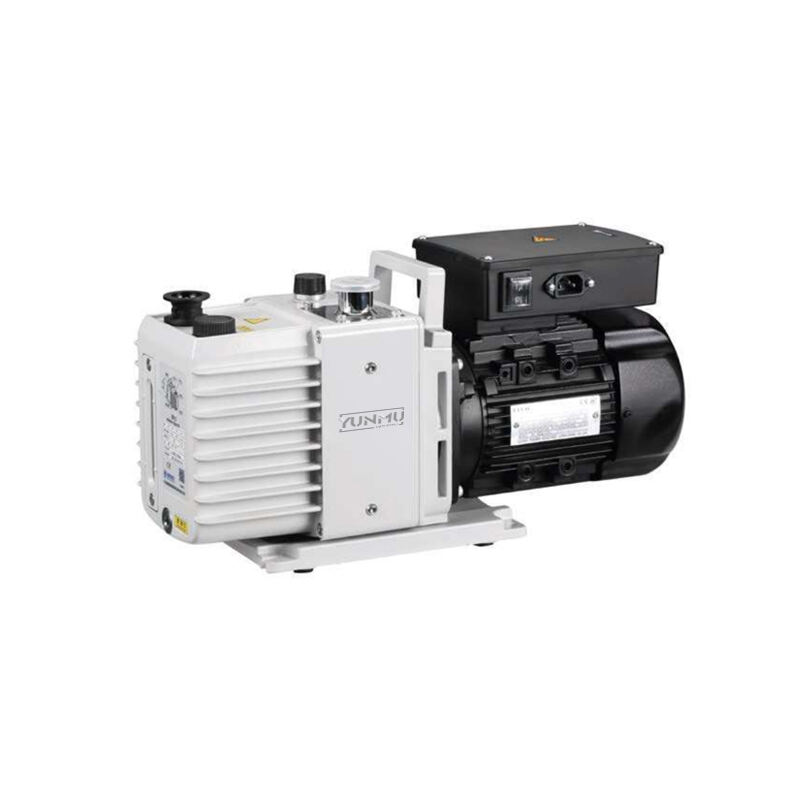
Oil-sealed rotary vane pumps are widely used in industrial applications that require rough to medium vacuum levels. They offer reliable performance, good pumping speed, and compatibility with a broad range of process gases. For applications involving condensable vapors, gas ballast features help prevent oil contamination and maintain pump performance over time. Understanding these characteristics allows engineers to specify vacuum technology that will deliver consistent results in their specific process context.
For applications requiring deeper vacuum levels, multi-stage systems combining different pump types are typically used. A backing pump creates the initial vacuum, and a high-vacuum pump — such as a turbomolecular or diffusion pump — achieves the final operating pressure. The stability of the entire system depends on the correct sizing and integration of each stage, which is why vacuum technology selection should be treated as a system-level engineering decision rather than a component-level procurement choice.
Maintenance Practices That Protect Process Stability
Even the best-specified vacuum technology will degrade in performance if not properly maintained. Oil changes, seal inspections, leak checks, and filter replacements are routine maintenance tasks that directly affect the vacuum level achievable and the stability of the process environment. Deferred maintenance leads to gradual performance degradation that may not be immediately obvious but will eventually manifest as increased process variability and reduced output quality.
Leak detection is particularly important. Even small leaks in a vacuum system allow atmospheric gas to enter the process environment, raising the base pressure and introducing contaminants. Regular leak testing using helium leak detectors or pressure rise tests helps identify and address leaks before they affect process performance. This proactive approach to maintenance is a key element of sustaining the process stability benefits that vacuum technology provides.
Monitoring vacuum system performance over time — tracking base pressure, pump-down time, and ultimate vacuum — provides early warning of developing problems. Integrating vacuum system data into a broader process monitoring framework allows maintenance teams to schedule interventions before failures occur, minimizing unplanned downtime and protecting the output continuity that vacuum technology is designed to support.
FAQ
How does vacuum technology specifically improve process stability compared to atmospheric processing?
Vacuum technology improves process stability by removing atmospheric gases that would otherwise interfere with the process, providing precise and repeatable pressure control, and eliminating contamination sources such as oxygen and moisture. These factors reduce variability in reaction conditions, material behavior, and thermal profiles, which directly translates into more consistent process outcomes and tighter product specifications.
What types of industrial processes benefit most from vacuum technology?
Processes that involve phase transitions, chemical reactions sensitive to atmospheric gases, precision material deposition, or the removal of moisture and solvents benefit most from vacuum technology. This includes distillation, drying, freeze-drying, semiconductor fabrication, vacuum impregnation, food packaging, and composite manufacturing. Any process where atmospheric pressure or gas composition introduces variability is a candidate for vacuum technology improvement.
Can vacuum technology reduce production waste and improve yield?
Yes. By creating cleaner, more controlled process environments, vacuum technology reduces contamination-related defects, oxidation damage, and process variability. This improves first-pass yield, reduces the frequency of rework and rejection, and lowers material waste. In high-value manufacturing such as semiconductor production or pharmaceutical processing, even small improvements in yield driven by better vacuum conditions can have significant economic impact.
How important is vacuum system maintenance for sustaining output improvements?
Maintenance is critical. Vacuum technology delivers its process benefits only when the system is operating within its specified performance range. Oil degradation, seal wear, leaks, and filter blockages all reduce the achievable vacuum level and introduce instability into the process environment. Regular maintenance — including oil changes, leak testing, and performance monitoring — is essential for sustaining the stability and output improvements that vacuum technology is designed to provide.
Table of Contents
- The Relationship Between Vacuum Conditions and Process Stability
- How Vacuum Technology Drives Output Improvement
- Vacuum Technology in Specific Industrial Applications
- Selecting and Maintaining Vacuum Systems for Consistent Performance
-
FAQ
- How does vacuum technology specifically improve process stability compared to atmospheric processing?
- What types of industrial processes benefit most from vacuum technology?
- Can vacuum technology reduce production waste and improve yield?
- How important is vacuum system maintenance for sustaining output improvements?