 EN
EN
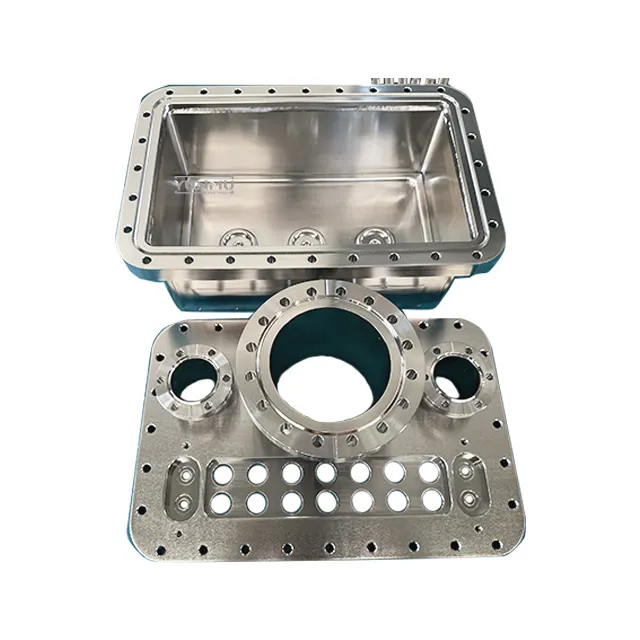
Maintaining a vacuum chamber properly is essential for ensuring optimal performance, extending equipment lifespan, and achieving consistent results in various industrial applications. These specialized devices require systematic care and attention to detail, as even minor contamination or wear can significantly impact their functionality. Understanding the fundamental principles of vacuum chamber maintenance not only protects your investment but also ensures reliable operation across demanding industrial processes.
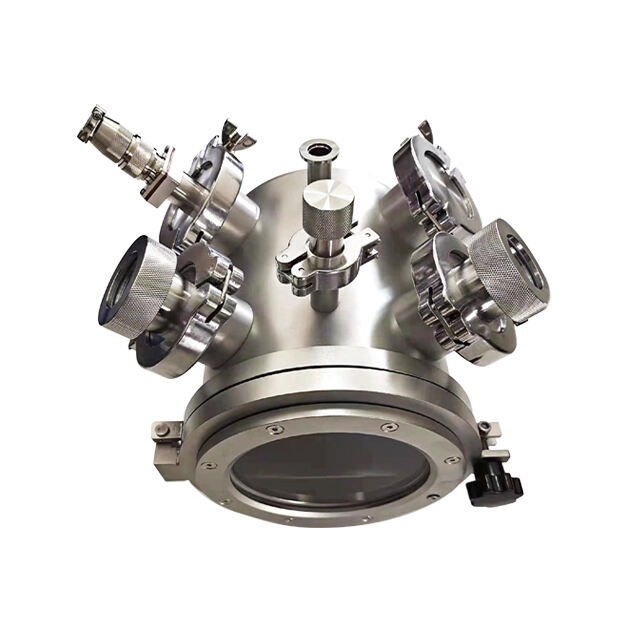
Professional maintenance protocols go beyond basic cleaning routines, encompassing comprehensive inspection procedures, preventive measures, and strategic replacement schedules. Modern vacuum systems operate under extreme conditions, making thorough maintenance practices crucial for preventing costly downtime and ensuring consistent vacuum levels. Industries ranging from semiconductor manufacturing to research laboratories depend on well-maintained vacuum chambers to achieve precise environmental control and contamination-free processing.
Understanding Vacuum Chamber Components and Their Maintenance Requirements
Critical Internal Components
The interior surfaces of a vacuum chamber require meticulous attention, as they directly influence vacuum quality and contamination levels. Stainless steel walls, typically constructed from 304 or 316L grades, must be inspected regularly for corrosion, scratches, or surface irregularities that could harbor contaminants. These surfaces should maintain their mirror-like finish to minimize outgassing and facilitate effective cleaning procedures.
Feedthroughs represent another critical component requiring specialized maintenance approaches. Electrical feedthroughs, fluid connections, and mechanical penetrations all introduce potential leak paths that must be monitored consistently. Regular inspection of O-ring seals, threaded connections, and welded joints prevents vacuum degradation and maintains system integrity over extended operational periods.
Pumping System Integration
Vacuum pumps connected to the chamber system require coordinated maintenance schedules to ensure optimal performance. Turbomolecular pumps, roughing pumps, and backing pumps each have distinct maintenance requirements that directly impact chamber performance. Oil changes, bearing lubrication, and rotor balancing must be performed according to manufacturer specifications to maintain consistent pumping speeds and ultimate vacuum levels.
The relationship between pump maintenance and chamber cleanliness cannot be overstated. Contaminated pumps can introduce hydrocarbons, moisture, and particulates back into the chamber environment, negating careful cleaning efforts. Establishing synchronized maintenance schedules ensures that both chamber and pumping systems operate at peak efficiency simultaneously.
Systematic Cleaning Protocols for Optimal Performance
Pre-Cleaning Assessment Procedures
Before initiating any cleaning procedure, conducting a thorough assessment of chamber condition establishes baseline parameters and identifies specific contamination types. Visual inspection using high-intensity lighting reveals surface deposits, discoloration, or mechanical damage requiring attention. Documentation of initial conditions provides valuable reference points for evaluating cleaning effectiveness and tracking long-term trends.
Surface contamination analysis helps determine appropriate cleaning methods and solvents. Organic residues, metallic particles, and oxidation products each require different removal techniques. Understanding contamination sources also guides preventive measures that reduce future cleaning requirements and extend operational intervals between maintenance cycles.
Step-by-Step Cleaning Implementation
Effective vacuum chamber cleaning begins with complete disassembly of removable components, including sample holders, internal fixtures, and temporary installations. Each component requires individual cleaning attention using appropriate solvents and techniques. Ultrasonic cleaning baths provide excellent results for small parts, while larger components may require manual cleaning with lint-free cloths and approved solvents.
Solvent selection plays a crucial role in cleaning effectiveness and safety. Isopropyl alcohol serves as the primary cleaning agent for most applications, effectively removing fingerprints, light oils, and organic residues. For stubborn contamination, acetone or specialized cleaning solutions may be necessary, followed by thorough alcohol rinses to remove all cleaning residues. The final cleaning step should always involve high-purity alcohol to ensure complete removal of all contaminants.
Preventive Maintenance Strategies and Best Practices
Scheduled Inspection Protocols
Implementing regular inspection schedules prevents minor issues from developing into major problems requiring extensive repairs. Daily visual inspections identify immediate concerns such as unusual deposits, mechanical damage, or obvious contamination sources. Weekly detailed inspections include leak checking, pressure monitoring, and performance verification to ensure consistent operation within specified parameters.
Monthly comprehensive inspections involve complete system evaluation, including electrical connections, mechanical alignments, and safety systems verification. These thorough assessments identify wear patterns, predict component replacement needs, and validate overall system integrity. Maintaining detailed inspection records enables trending analysis and supports predictive maintenance strategies.
Environmental Control Measures
Controlling the chamber environment during non-operational periods significantly extends cleaning intervals and maintains system performance. Nitrogen purging prevents atmospheric moisture and contaminants from entering the chamber during maintenance or storage periods. Implementing proper storage protocols protects internal surfaces and reduces contamination accumulation between operational cycles.
Temperature and humidity control in the chamber location minimizes condensation risks and reduces corrosion potential. Maintaining stable environmental conditions prevents thermal cycling damage and reduces stress on sealing components. Proper ventilation systems remove airborne contaminants that could enter the chamber during access procedures or component changes.
Troubleshooting Common Maintenance Challenges
Identifying Performance Degradation
Recognition of early performance indicators enables proactive maintenance intervention before serious problems develop. Gradual increases in base pressure, longer pumpdown times, or reduced ultimate vacuum levels often signal developing maintenance issues. Systematic monitoring of these parameters establishes performance baselines and identifies declining trends requiring attention.
Outgassing rate increases typically indicate surface contamination or component degradation requiring cleaning or replacement. Mass spectrometer analysis of residual gases provides detailed information about contamination sources and guides targeted cleaning efforts. Understanding the relationship between operating conditions and performance parameters enables more effective maintenance planning and resource allocation.
Addressing Seal and Gasket Issues
O-ring and gasket failures represent common maintenance challenges requiring prompt attention to prevent vacuum loss and contamination ingress. Regular inspection of sealing surfaces identifies wear patterns, compression set, or chemical attack before complete failure occurs. Proper installation techniques, appropriate lubrication, and correct torque specifications extend seal life and maintain consistent performance.
Replacement scheduling based on operating hours, thermal cycles, and chemical exposure prevents unexpected failures during critical operations. Maintaining adequate seal inventory ensures rapid replacement capability when required. Understanding the relationship between operating conditions and seal degradation enables optimized replacement intervals and improved system reliability.
Advanced Maintenance Techniques for Extended Service Life
Surface Treatment and Protection
Specialized surface treatments enhance chamber performance and reduce maintenance requirements over extended operational periods. Electropolishing of stainless steel surfaces creates smoother finishes that resist contamination accumulation and simplify cleaning procedures. These treatments also reduce outgassing rates and improve ultimate vacuum capabilities by minimizing surface irregularities that trap gases and contaminants.
Passivation treatments restore corrosion resistance to stainless steel surfaces after mechanical damage or contamination exposure. Proper passivation procedures remove embedded iron particles and restore the protective oxide layer essential for long-term performance. Regular passivation maintenance prevents progressive corrosion that could compromise chamber integrity and contaminate processed materials.
Precision Alignment and Calibration
Maintaining precise mechanical alignments ensures optimal performance and extends component service life. Door mechanisms, sample manipulation systems, and internal fixtures require periodic adjustment to maintain proper operation and prevent excessive wear. Precision measurement tools verify alignments and identify developing problems before they impact system performance or reliability.
Calibration of monitoring instruments and control systems ensures accurate performance assessment and enables effective maintenance decisions. Pressure gauges, temperature sensors, and leak detectors require regular calibration to maintain measurement accuracy. Properly calibrated instruments provide reliable data for maintenance planning and performance optimization throughout the chamber's service life.
FAQ
How often should a vacuum chamber be thoroughly cleaned
Cleaning frequency depends on application requirements, contamination levels, and operating conditions, but most industrial vacuum chambers benefit from thorough cleaning every 200-500 operating hours. High-contamination processes may require more frequent cleaning intervals, while clean research applications might extend periods between comprehensive cleaning cycles. Regular monitoring of vacuum performance indicators helps determine optimal cleaning schedules for specific applications.
What cleaning solvents are safe for vacuum chamber use
Isopropyl alcohol represents the most commonly used and safest cleaning solvent for vacuum applications due to its low vapor pressure and effective cleaning properties. Acetone provides excellent cleaning power for stubborn residues but requires careful handling and complete removal before system operation. Specialized vacuum-compatible cleaning solutions offer targeted contamination removal while ensuring compatibility with chamber materials and vacuum requirements.
Can damaged chamber surfaces be repaired or must components be replaced
Minor surface scratches and small corrosion spots can often be repaired through professional refinishing services, including re-polishing and re-passivation treatments. However, deep scratches, significant corrosion, or structural damage typically require component replacement to maintain vacuum integrity and performance standards. Professional evaluation determines whether repair or replacement represents the most cost-effective solution for specific damage conditions.
What are the signs that vacuum chamber maintenance is needed
Key indicators include gradually increasing base pressure, longer pumpdown times, visible contamination on internal surfaces, and degraded vacuum performance compared to baseline measurements. Unusual odors, discoloration of internal components, or persistent leak indications also signal maintenance requirements. Regular performance monitoring enables early detection of developing issues before they impact operational capabilities or require extensive repairs.