
 EN
EN
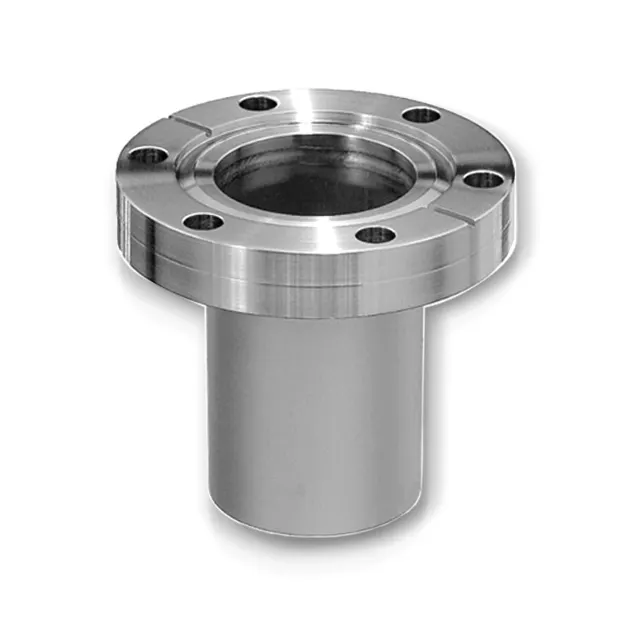
In industrial vacuum systems, reliability stands as the cornerstone of operational success. A stainless steel vacuum component offers unmatched durability and performance characteristics that make it the preferred choice across numerous high-stakes applications. From semiconductor manufacturing to pharmaceutical processing, these precision-engineered components deliver consistent performance under extreme conditions while maintaining structural integrity over extended periods. The exceptional properties of stainless steel, combined with advanced manufacturing techniques, create vacuum components that withstand the rigorous demands of modern industrial environments.
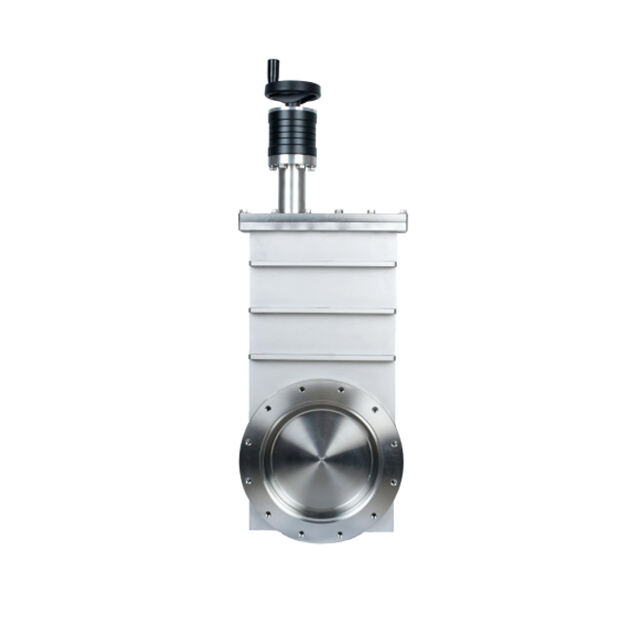
Material Properties That Define Excellence
Corrosion Resistance Fundamentals
The inherent corrosion resistance of a stainless steel vacuum component stems from its chromium content, which forms a passive oxide layer on the surface. This protective barrier prevents oxidation and chemical degradation, ensuring that components maintain their structural integrity even when exposed to aggressive chemicals or moisture. In vacuum environments, this resistance becomes particularly crucial as components must handle various process gases and cleaning agents without compromising performance. The self-healing nature of this oxide layer means that minor surface damage automatically repairs itself when exposed to oxygen.
Different grades of stainless steel offer varying levels of corrosion resistance, with austenitic grades like 316L providing superior protection against chloride-induced corrosion. This enhanced resistance makes stainless steel vacuum components ideal for applications involving halogenated compounds or marine environments. The long-term cost benefits of corrosion resistance cannot be overstated, as it eliminates the need for frequent component replacement and reduces system downtime significantly.
Mechanical Strength and Durability
Beyond corrosion resistance, the mechanical properties of stainless steel contribute significantly to the reliability of vacuum components. High tensile strength allows these components to withstand substantial mechanical stresses without deformation or failure. This strength characteristic becomes particularly important in applications where components experience rapid pressure changes or mechanical vibrations during operation.
The ductility of stainless steel enables components to absorb shock loads and thermal expansion without cracking. This flexibility proves essential in vacuum systems where temperature fluctuations are common. Each stainless steel vacuum component maintains its dimensional stability across wide temperature ranges, ensuring consistent sealing performance and preventing costly vacuum leaks that could compromise entire systems.
Manufacturing Excellence and Quality Control
Precision Machining Standards
The reliability of any stainless steel vacuum component begins with precision manufacturing processes that ensure dimensional accuracy and surface finish quality. Modern CNC machining techniques allow manufacturers to achieve extremely tight tolerances, often within micrometers, ensuring proper fit and function within complex vacuum systems. Surface finish quality directly impacts the sealing performance and contamination resistance of vacuum components.
Advanced manufacturing facilities employ multiple quality checkpoints throughout the production process, verifying that each component meets stringent specifications. These quality control measures include dimensional inspections, surface roughness measurements, and material composition verification. The result is a stainless steel vacuum component that consistently performs to specification throughout its operational lifetime.
Heat Treatment and Surface Finishing
Specialized heat treatment processes optimize the microstructure of stainless steel, enhancing its mechanical properties and stress resistance. Solution annealing removes manufacturing stresses and homogenizes the material structure, while controlled cooling prevents the formation of harmful precipitates that could compromise corrosion resistance. These thermal treatments ensure that each stainless steel vacuum component achieves its maximum potential for reliability and longevity.
Surface finishing techniques such as electropolishing remove microscopic surface irregularities and create a smooth, passive surface that resists contamination buildup. This enhanced surface quality proves particularly valuable in ultra-high vacuum applications where even minute amounts of surface contamination can impact system performance. The combination of proper heat treatment and surface finishing creates components that maintain their performance characteristics over many years of service.
Application-Specific Design Considerations
Vacuum Level Requirements
Different vacuum applications demand varying levels of performance from stainless steel components. Ultra-high vacuum systems require components with extremely low outgassing rates and superior leak-tightness, while rough vacuum applications may prioritize mechanical durability and cost-effectiveness. A properly designed stainless steel vacuum component takes these specific requirements into account during the design phase.
The geometry and internal surface area of vacuum components significantly influence their performance in different vacuum ranges. Components designed for high vacuum service feature smooth internal surfaces with minimal crevices where gas molecules might accumulate. The material selection and surface treatment processes are optimized to minimize outgassing and ensure rapid pumpdown times.
Temperature and Pressure Considerations
Operating temperature ranges play a crucial role in determining the design parameters of stainless steel vacuum components. High-temperature applications require materials with excellent creep resistance and thermal stability, while cryogenic applications demand materials that maintain ductility at extremely low temperatures. The coefficient of thermal expansion must be carefully considered to prevent stress concentrations at joints and sealing surfaces.
Pressure cycling resistance becomes critical in applications where components experience repeated pressurization and evacuation cycles. A well-designed stainless steel vacuum component incorporates features that distribute stress evenly and prevent fatigue crack initiation. This design approach ensures reliable performance through millions of pressure cycles without failure.
Maintenance and Operational Benefits
Reduced Maintenance Requirements
The robust construction and corrosion resistance of stainless steel vacuum components translate directly into reduced maintenance requirements and extended service intervals. Unlike components made from less durable materials, stainless steel components resist wear and maintain their sealing performance over extended periods. This reliability reduces the frequency of preventive maintenance and eliminates many unscheduled repairs.
The ease of cleaning and decontamination makes stainless steel vacuum components particularly valuable in applications requiring frequent maintenance or process changes. Chemical compatibility allows the use of aggressive cleaning agents without component degradation, ensuring thorough decontamination between process runs. This cleaning capability proves essential in pharmaceutical and semiconductor applications where cross-contamination must be prevented.
Long-Term Cost Effectiveness
While the initial cost of a stainless steel vacuum component may exceed that of alternatives, the long-term economic benefits are substantial. Extended service life reduces replacement frequency and associated labor costs, while improved reliability minimizes system downtime and production losses. The total cost of ownership calculation consistently favors stainless steel components in demanding applications.
Energy efficiency benefits also contribute to long-term cost savings, as properly maintained stainless steel vacuum components help systems achieve target vacuum levels more quickly and maintain them with less pumping power. This efficiency translates into reduced energy consumption and lower operating costs throughout the component lifecycle.
Industry-Specific Applications
Semiconductor Manufacturing
In semiconductor fabrication facilities, stainless steel vacuum components must meet extremely stringent purity and performance requirements. The ultra-clean environment demands components that contribute minimal contamination while maintaining exceptional vacuum integrity. Each stainless steel vacuum component undergoes specialized cleaning and certification processes to ensure compatibility with semiconductor manufacturing standards.
The ability to withstand plasma cleaning processes and aggressive chemical environments makes stainless steel components indispensable in semiconductor applications. Process chambers and transfer systems rely on these components to maintain the controlled environments necessary for producing high-quality semiconductor devices. The reliability of these components directly impacts manufacturing yield and product quality.
Pharmaceutical and Biotechnology
Pharmaceutical manufacturing processes demand vacuum components that meet strict hygiene and validation requirements while providing consistent performance. Stainless steel vacuum components offer the cleanability and documentation necessary for FDA-regulated environments. The material's resistance to sanitization chemicals and steam sterilization makes it ideal for pharmaceutical applications.
Batch processing equipment relies heavily on reliable vacuum components to maintain process conditions and prevent contamination. The ability to validate cleaning procedures and demonstrate component cleanliness ensures compliance with pharmaceutical manufacturing regulations. A properly specified stainless steel vacuum component supports both process reliability and regulatory compliance requirements.
Performance Testing and Validation
Leak Detection and Testing
Comprehensive testing protocols ensure that each stainless steel vacuum component meets specified performance criteria before installation. Helium leak testing provides quantitative measurement of leak rates, while pressure decay testing verifies overall system integrity. These testing methods identify potential issues before components enter service, preventing costly failures and system contamination.
Statistical process control methods track component performance over time, identifying trends that might indicate developing issues. This proactive approach to quality management ensures consistent component performance and enables optimization of maintenance schedules. The data collected during testing also supports continuous improvement initiatives in component design and manufacturing.
Performance Monitoring Systems
Modern vacuum systems incorporate sophisticated monitoring equipment that tracks the performance of individual components in real-time. Pressure sensors, residual gas analyzers, and other diagnostic tools provide continuous feedback on component condition and performance. This monitoring capability enables predictive maintenance strategies that maximize component utilization while preventing unexpected failures.
Data analysis techniques identify performance patterns and predict when a stainless steel vacuum component might require service or replacement. This predictive approach reduces unscheduled downtime and optimizes maintenance resources. The integration of performance monitoring with maintenance management systems creates a comprehensive approach to component lifecycle management.
FAQ
How long can stainless steel vacuum components typically last in service
With proper maintenance and appropriate application, stainless steel vacuum components can provide reliable service for 15 to 25 years or more. The actual service life depends on factors such as operating conditions, maintenance practices, and the specific grade of stainless steel used. Components in ultra-high vacuum applications with minimal cycling may last even longer, while those in harsh chemical environments or high-cycle applications may require replacement sooner.
What maintenance practices extend the life of stainless steel vacuum components
Regular cleaning using appropriate solvents and techniques prevents contamination buildup that could compromise performance. Periodic leak testing identifies developing issues before they become critical failures. Proper handling during maintenance prevents physical damage, while adherence to recommended torque specifications prevents over-stressing of threaded connections. Documentation of maintenance activities helps identify patterns and optimize maintenance intervals.
Can stainless steel vacuum components be repaired if damaged
Many types of damage to stainless steel vacuum components can be successfully repaired using specialized techniques. Surface scratches and minor corrosion can often be removed through mechanical polishing or chemical treatments. Threaded connections can sometimes be re-machined to restore proper fit. However, structural damage or significant wear typically requires component replacement to ensure continued reliability and performance.
What factors should be considered when selecting stainless steel grades for vacuum components
The selection process should consider the operating environment, including temperature range, chemical exposure, and mechanical stresses. Grade 304 offers good general-purpose performance, while 316L provides enhanced corrosion resistance. For high-temperature applications, grades like 321 or 347 may be preferred. The specific vacuum level requirements and outgassing characteristics also influence material selection decisions.
Table of Contents
- Material Properties That Define Excellence
- Manufacturing Excellence and Quality Control
- Application-Specific Design Considerations
- Maintenance and Operational Benefits
- Industry-Specific Applications
- Performance Testing and Validation
-
FAQ
- How long can stainless steel vacuum components typically last in service
- What maintenance practices extend the life of stainless steel vacuum components
- Can stainless steel vacuum components be repaired if damaged
- What factors should be considered when selecting stainless steel grades for vacuum components