
 EN
EN
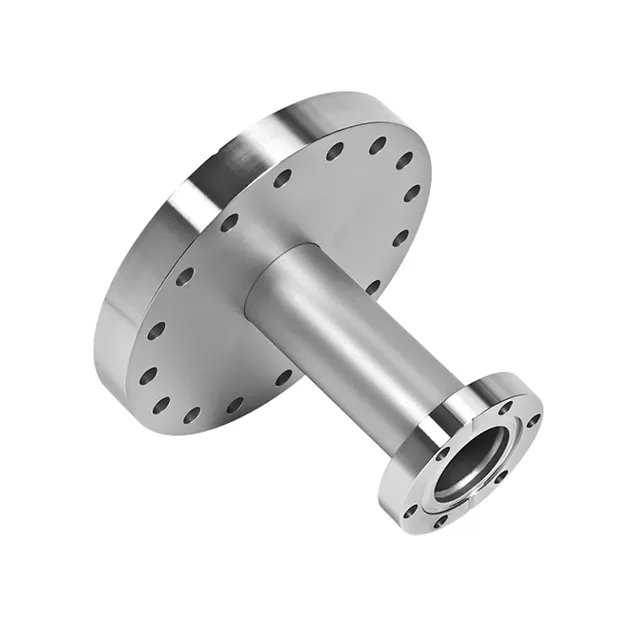
Industrial vacuum systems require precise and reliable connections to maintain optimal performance and prevent contamination. Stainless steel vacuum fittings have become the gold standard for applications demanding ultra-high vacuum conditions, chemical resistance, and long-term reliability. These specialized components ensure that vacuum systems maintain their integrity while providing the durability necessary for continuous industrial operations. Understanding the unique properties and advantages of stainless steel vacuum fittings is essential for engineers and technicians working in semiconductor manufacturing, pharmaceutical production, and research laboratories.
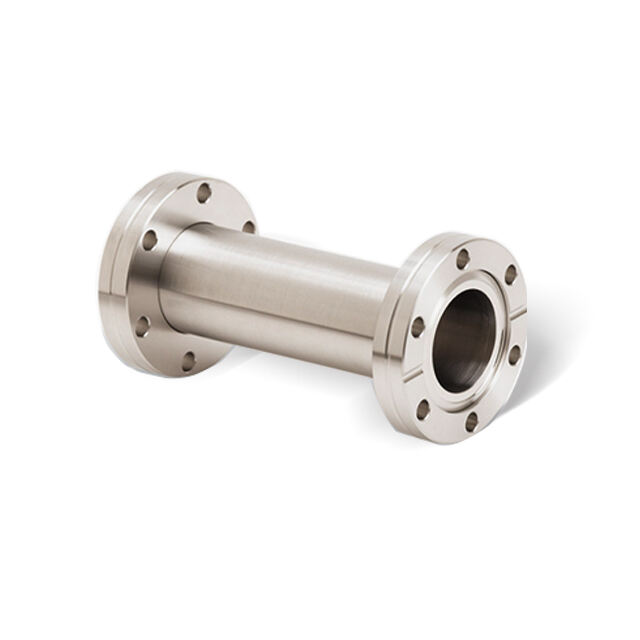
Material Properties of Stainless Steel in Vacuum Applications
Corrosion Resistance and Chemical Compatibility
Stainless steel vacuum fittings exhibit exceptional corrosion resistance due to their chromium content, which forms a protective oxide layer on the surface. This passive layer prevents oxidation and chemical degradation even in harsh industrial environments. The austenitic grades commonly used in vacuum fittings, such as 304 and 316L stainless steel, offer superior resistance to acids, bases, and organic solvents. This chemical compatibility ensures that vacuum fittings maintain their structural integrity and sealing properties over extended periods of operation.
The non-reactive nature of stainless steel prevents contamination of sensitive processes and materials within the vacuum system. This characteristic is particularly crucial in pharmaceutical manufacturing and semiconductor fabrication, where even trace amounts of contamination can compromise product quality. The smooth surface finish achievable with stainless steel vacuum fittings minimizes particle generation and facilitates thorough cleaning procedures, supporting stringent cleanliness requirements in critical applications.
Thermal Stability and Low Outgassing Properties
Temperature fluctuations in vacuum systems can significantly impact fitting performance and system reliability. Stainless steel vacuum fittings demonstrate excellent thermal stability across a wide temperature range, maintaining their mechanical properties and dimensional accuracy. The low thermal expansion coefficient of stainless steel minimizes stress on connections during temperature cycling, reducing the risk of seal failure or fitting distortion.
Low outgassing characteristics are essential for achieving and maintaining ultra-high vacuum conditions. Stainless steel vacuum fittings exhibit minimal vapor pressure and outgassing rates, preventing the release of contaminants that could compromise vacuum levels. This property is particularly important in applications requiring pressures below 10^-9 Torr, where even small amounts of outgassing can significantly impact system performance. The ability to achieve these ultra-clean conditions makes stainless steel the preferred material for critical vacuum applications.
Design Features for Optimal Vacuum Performance
Surface Finish and Geometry Optimization
The surface finish of vacuum fittings plays a crucial role in achieving leak-tight seals and preventing virtual leaks. Stainless steel vacuum fittings are manufactured with precisely controlled surface roughness, typically achieving Ra values of 0.4 micrometers or better on sealing surfaces. This smooth finish eliminates microscopic gaps and crevices that could trap gases or provide leak paths, ensuring reliable vacuum integrity.
Geometric design considerations include minimizing internal volumes and eliminating sharp corners or blind holes where gases can accumulate. Modern vacuum fittings feature streamlined internal profiles that promote efficient gas flow and facilitate complete evacuation. The careful design of transition areas and the elimination of virtual leak paths contribute to faster pump-down times and improved ultimate vacuum levels.
Sealing Technologies and Connection Methods
Various sealing technologies are employed in vacuum fittings to ensure leak-tight connections across different pressure ranges and applications. Metal-to-metal seals, such as knife-edge flanges, provide excellent performance for ultra-high vacuum applications by creating a permanent seal through plastic deformation. These seals eliminate the need for elastomeric gaskets that can outgas or degrade over time.
For applications requiring frequent disconnection, elastomeric seals using specialized O-rings or gaskets provide a balance between sealing performance and convenience. The choice of sealing method depends on factors such as operating pressure, temperature range, chemical compatibility, and maintenance requirements. Understanding these trade-offs is essential for selecting the appropriate vacuum fittings for specific applications.
Manufacturing Processes and Quality Assurance
Precision Machining and Fabrication Techniques
The manufacturing of high-quality vacuum fittings requires specialized machining techniques and stringent quality control measures. Computer-controlled machining centers enable the production of components with tight dimensional tolerances, ensuring proper fit and function in vacuum systems. Surface preparation procedures, including electropolishing and passivation, enhance the corrosion resistance and cleanliness of stainless steel vacuum fittings.
Advanced welding techniques, such as orbital welding, are employed to create seamless joints without compromising the vacuum integrity or introducing contamination. These automated welding processes ensure consistent weld quality and minimize heat-affected zones that could impact material properties. The use of inert gas atmospheres during welding prevents oxidation and maintains the surface quality essential for vacuum applications.
Testing and Validation Procedures
Comprehensive testing protocols verify the performance of vacuum fittings before they are released for use in critical applications. Helium leak detection is the standard method for identifying microscopic leaks that could compromise vacuum system performance. Mass spectrometer leak detectors can identify leak rates as low as 10^-12 standard cubic centimeters per second, ensuring that vacuum fittings meet the stringent requirements of ultra-high vacuum applications.
Pressure testing validates the mechanical strength and sealing performance of vacuum fittings under various operating conditions. Thermal cycling tests simulate the temperature variations encountered in real-world applications, verifying that connections remain leak-tight throughout their operational life. These rigorous testing procedures ensure that vacuum fittings deliver reliable performance in demanding industrial environments.
Applications Across Industrial Sectors
Semiconductor Manufacturing and Electronics
The semiconductor industry relies heavily on ultra-clean vacuum environments for processes such as chemical vapor deposition, physical vapor deposition, and ion implantation. Vacuum fittings in these applications must maintain extremely low contamination levels while providing reliable connections for process gases and equipment interfaces. The particle-free environment required for semiconductor manufacturing demands vacuum fittings with exceptional cleanliness and minimal outgassing properties.
Advanced semiconductor processes operate at pressures below 10^-8 Torr, requiring vacuum fittings that can maintain leak rates well below detectable limits. The ability to withstand aggressive process chemicals and frequent thermal cycling makes stainless steel vacuum fittings ideal for these demanding applications. The reliability of these connections directly impacts product yield and manufacturing efficiency in semiconductor fabrication facilities.
Pharmaceutical and Biotechnology Industries
Pharmaceutical manufacturing processes often require sterile environments and precise control of atmospheric conditions. Vacuum fittings used in pharmaceutical applications must comply with stringent regulatory requirements while maintaining the chemical inertness necessary to prevent product contamination. The ability to withstand steam sterilization and aggressive cleaning procedures makes stainless steel vacuum fittings particularly suitable for pharmaceutical production equipment.
Biotechnology applications, including fermentation processes and purification systems, benefit from the corrosion resistance and cleanability of stainless steel vacuum fittings. These components enable the creation of controlled environments necessary for biological processes while maintaining the sterility and purity required for pharmaceutical products. The long-term reliability of vacuum fittings reduces maintenance requirements and minimizes the risk of process contamination.
Installation and Maintenance Best Practices
Proper Installation Techniques
Correct installation procedures are essential for achieving optimal performance from vacuum fittings and preventing premature failure. Proper alignment of mating surfaces ensures even stress distribution and prevents seal damage during assembly. The use of calibrated torque wrenches prevents over-tightening, which can distort sealing surfaces or damage gaskets, while ensuring adequate sealing force.
Cleanliness during installation is critical for maintaining vacuum system performance. All components must be thoroughly cleaned and inspected before assembly to remove any contaminants that could compromise sealing or create virtual leaks. The use of lint-free materials and appropriate solvents ensures that vacuum fittings are installed in a clean condition suitable for high-vacuum operation.
Preventive Maintenance and Troubleshooting
Regular inspection of vacuum fittings helps identify potential issues before they impact system performance. Visual examination of sealing surfaces can reveal wear, corrosion, or damage that might compromise vacuum integrity. Periodic leak testing using helium leak detectors ensures that connections remain within acceptable limits throughout their operational life.
When troubleshooting vacuum system problems, vacuum fittings should be evaluated as potential sources of leaks or contamination. Understanding the failure modes and performance limitations of different fitting types enables effective diagnosis and resolution of system issues. Proper documentation of maintenance activities and performance trends supports predictive maintenance strategies and helps optimize system reliability.
Future Developments and Innovations
Advanced Materials and Coatings
Research into advanced materials and surface treatments continues to improve the performance of vacuum fittings for increasingly demanding applications. Specialized stainless steel alloys with enhanced properties, such as improved corrosion resistance or reduced magnetic permeability, are being developed for specific vacuum applications. These materials enable vacuum fittings to operate in more aggressive environments while maintaining their reliability and performance characteristics.
Surface coating technologies, including diamond-like carbon and ceramic coatings, offer potential improvements in wear resistance and chemical compatibility. These advanced surface treatments can extend the operational life of vacuum fittings while reducing maintenance requirements. The development of these technologies supports the evolution of vacuum systems toward higher performance and greater reliability.
Smart Monitoring and Diagnostic Systems
The integration of smart sensors and monitoring systems into vacuum fittings enables real-time assessment of connection integrity and performance. Embedded pressure sensors and temperature monitors can provide continuous feedback on fitting conditions, enabling predictive maintenance strategies and early detection of potential failures. These smart systems represent the next generation of vacuum fittings designed for Industry 4.0 applications.
Wireless communication capabilities allow vacuum fittings to transmit performance data to centralized monitoring systems, supporting comprehensive system diagnostics and optimization. The ability to remotely monitor fitting performance reduces the need for manual inspections and enables more efficient maintenance scheduling. These technological advances support the development of autonomous vacuum systems with enhanced reliability and reduced operational costs.
FAQ
What are the main advantages of stainless steel vacuum fittings over other materials?
Stainless steel vacuum fittings offer superior corrosion resistance, low outgassing properties, and excellent thermal stability compared to other materials. They maintain their structural integrity and sealing performance across a wide range of operating conditions while providing the chemical inertness required for sensitive applications. The durability of stainless steel reduces replacement frequency and maintenance costs in vacuum systems.
How do I select the appropriate vacuum fitting for my specific application?
Selecting the right vacuum fittings requires consideration of operating pressure range, temperature conditions, chemical compatibility, and connection frequency. Ultra-high vacuum applications typically require metal-sealed fittings, while lower vacuum applications may use elastomeric seals. The specific requirements of your process, including cleanliness standards and regulatory compliance, should guide the selection process.
What maintenance procedures are recommended for vacuum fittings?
Regular inspection of sealing surfaces, periodic leak testing, and proper cleaning procedures are essential maintenance practices for vacuum fittings. Replacement of elastomeric seals according to manufacturer recommendations prevents seal degradation and maintains system performance. Documentation of maintenance activities and performance trends supports predictive maintenance strategies and helps optimize system reliability.
Can vacuum fittings be used in high-temperature applications?
Stainless steel vacuum fittings can operate effectively at elevated temperatures, with specific temperature limits depending on the grade of stainless steel and sealing method used. Metal-sealed fittings typically offer higher temperature capabilities than those using elastomeric seals. Proper material selection and design consideration ensure reliable performance in high-temperature vacuum applications while maintaining the necessary sealing integrity.