
 EN
EN
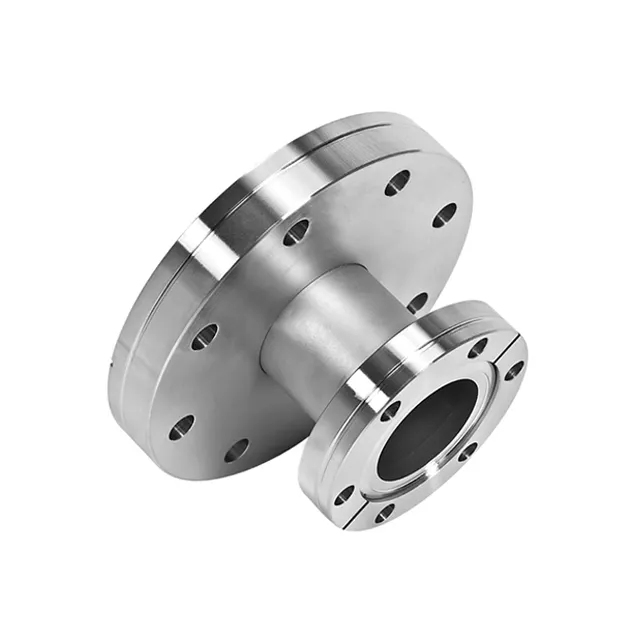
Vacuum technology plays a crucial role in modern research and industrial applications, where maintaining ultra-high vacuum conditions is essential for achieving precise results and optimal performance. At the heart of every reliable vacuum system are specialized vacuum fittings that ensure leak-tight connections, maintain system integrity, and enable seamless operation across diverse environments. These precision-engineered components serve as the foundation for countless scientific discoveries, manufacturing processes, and technological innovations that shape our modern world.
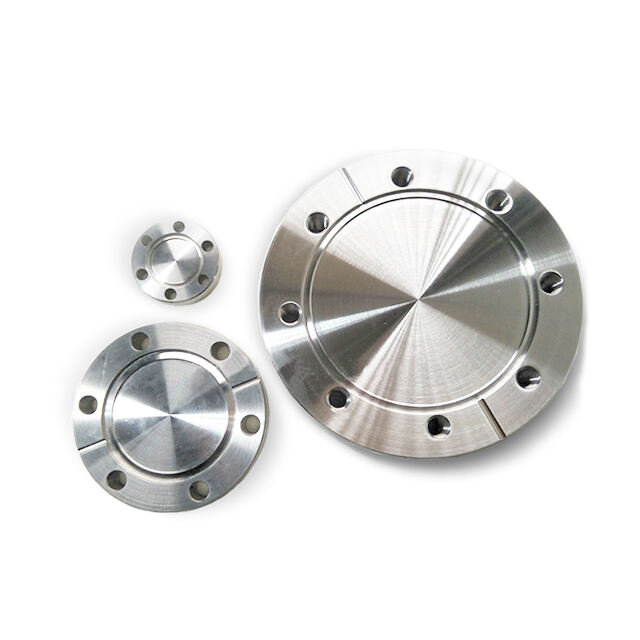
The importance of high-quality vacuum fittings cannot be overstated in applications where even the smallest leak can compromise experimental accuracy or production quality. From semiconductor fabrication facilities to particle accelerators, these components must withstand extreme conditions while maintaining perfect sealing capabilities. Understanding the various applications and requirements for vacuum fittings helps engineers and researchers select the most appropriate solutions for their specific needs.
Semiconductor Manufacturing Applications
Wafer Processing Equipment
In semiconductor manufacturing, vacuum fittings are essential components in wafer processing equipment where ultra-high vacuum conditions are required for thin film deposition, etching, and cleaning processes. These applications demand fittings that can maintain vacuum levels below 10^-9 torr while withstanding temperatures ranging from cryogenic conditions to several hundred degrees Celsius. The precision and reliability of vacuum fittings directly impact the quality and yield of semiconductor devices.
Chemical vapor deposition chambers rely heavily on specialized vacuum fittings to ensure uniform gas distribution and prevent contamination during the deposition process. The fittings must be compatible with various process gases and cleaning chemicals while maintaining their sealing integrity throughout thousands of process cycles. Materials selection becomes critical, with stainless steel and specialized alloys being preferred for their chemical resistance and outgassing characteristics.
Ion Implantation Systems
Ion implantation equipment requires vacuum fittings that can handle high-energy ion beams while maintaining ultra-high vacuum conditions necessary for precise dopant placement in semiconductor substrates. These systems operate at vacuum levels of 10^-6 to 10^-8 torr, requiring fittings with exceptional leak tightness and minimal outgassing properties. The fittings must also withstand radiation exposure and maintain their performance over extended operational periods.
The beam line components in ion implantation systems utilize specialized vacuum fittings designed to handle both the vacuum environment and the mechanical stresses associated with beam steering and focusing elements. These applications often require custom-designed fittings that can accommodate complex geometries while maintaining the stringent vacuum requirements essential for accurate ion beam delivery.
Research Laboratory Applications
Surface Analysis Equipment
Surface analysis techniques such as X-ray photoelectron spectroscopy, Auger electron spectroscopy, and scanning probe microscopy rely on ultra-high vacuum environments to prevent surface contamination and ensure accurate measurements. Vacuum fittings in these instruments must provide leak-free connections while allowing for precise sample positioning and manipulation. The fittings often incorporate specialized feedthroughs for electrical connections, gas introduction, and sample transfer mechanisms.
Modern surface analysis equipment frequently operates at vacuum levels of 10^-10 torr or better, placing extreme demands on the performance of vacuum fittings used throughout the system. These applications require fittings manufactured from ultra-low outgassing materials and subjected to rigorous cleaning procedures to eliminate any potential sources of contamination that could interfere with sensitive analytical measurements.
Particle Physics Experiments
Large-scale particle physics experiments, including particle accelerators and detectors, utilize extensive vacuum systems that depend on thousands of vacuum fittings to maintain the necessary operating conditions. These systems often span kilometers in length and must maintain vacuum levels sufficient to prevent particle beam interactions with residual gas molecules. The vacuum fittings must be designed for long-term reliability and minimal maintenance requirements.
Synchrotron radiation facilities present unique challenges for vacuum fittings due to the intense electromagnetic radiation generated by high-energy electron or positron beams. The fittings must be designed to minimize beam impedance while withstanding radiation-induced heating and potential material degradation. Special attention is paid to the geometry and materials selection to ensure optimal performance in these demanding environments.
Industrial Manufacturing Applications
Vacuum Heat Treatment
Vacuum heat treatment processes rely on specialized vacuum fittings to create controlled atmospheres for treating metals, ceramics, and other materials. These applications typically operate at moderate vacuum levels but must withstand temperatures exceeding 1000°C while maintaining gas-tight seals. The vacuum fittings used in these systems must be designed to accommodate thermal expansion and contraction cycles without compromising their sealing performance.
Aerospace and automotive industries extensively use vacuum heat treatment for critical components, making the reliability of vacuum fittings paramount for consistent product quality. The fittings must be capable of handling various atmospheres, including inert gases, reducing gases, and reactive species used in specialized heat treatment processes. Long-term durability and resistance to thermal cycling are essential characteristics for these applications.
Vacuum Coating Processes
Physical vapor deposition and chemical vapor deposition processes used in coating applications require vacuum fittings that can handle substrate rotation mechanisms, target cooling systems, and gas introduction networks. These systems often operate at vacuum levels ranging from 10^-6 to 10^-3 torr, depending on the specific coating process and desired film properties. The vacuum fittings must maintain their performance while exposed to various coating materials and process gases.
Optical coating applications place additional demands on vacuum fittings due to the need for extremely clean environments and precise process control. Contamination from outgassing or particle generation can result in coating defects that compromise optical performance. Vacuum fittings used in these applications undergo specialized cleaning procedures and are often manufactured from materials with exceptionally low outgassing rates.
Medical and Pharmaceutical Applications
Medical Device Manufacturing
The medical device industry utilizes vacuum fittings in various manufacturing processes, including sterilization equipment, implantable device production, and diagnostic instrument manufacturing. These applications often require fittings that meet stringent biocompatibility standards and can withstand repeated sterilization cycles without degradation. The vacuum fittings must also comply with relevant medical device regulations and quality standards.
Vacuum packaging of medical devices and pharmaceuticals relies on vacuum fittings to create controlled environments that extend product shelf life and maintain sterility. These systems must provide reliable sealing while allowing for automated packaging processes and quality control inspections. The fittings must be designed for easy cleaning and validation to meet pharmaceutical manufacturing requirements.
Analytical Instrumentation
Mass spectrometry systems used in pharmaceutical analysis and medical diagnostics incorporate vacuum fittings throughout their ion sources, mass analyzers, and detection systems. These instruments require vacuum levels ranging from 10^-6 to 10^-8 torr to ensure accurate mass measurements and prevent ion-molecule reactions that could interfere with analytical results. The vacuum fittings must provide stable performance while accommodating sample introduction systems and maintenance access requirements.
Electron beam systems used in medical device sterilization and pharmaceutical processing rely on vacuum fittings to maintain the controlled environments necessary for effective treatment. These applications require fittings that can handle high-power electron beams while maintaining vacuum integrity and ensuring operator safety. The design must consider radiation shielding requirements and thermal management needs.
Energy and Environmental Applications
Solar Panel Manufacturing
Photovoltaic cell manufacturing processes utilize vacuum fittings in deposition systems, annealing furnaces, and quality testing equipment. These applications require fittings that can handle the large-scale production volumes while maintaining consistent vacuum conditions essential for uniform film deposition and optimal cell efficiency. The vacuum fittings must be designed for automated manufacturing processes and extended operational cycles.
Thin-film solar cell production involves multiple vacuum processing steps, each requiring specialized vacuum fittings to handle different materials and process conditions. The fittings must be compatible with various deposition techniques, including sputtering, evaporation, and chemical vapor deposition, while maintaining the cleanliness standards necessary for high-efficiency solar cells.
Nuclear Research Facilities
Nuclear research applications present unique challenges for vacuum fittings due to radiation exposure, contamination control requirements, and the need for remote operation capabilities. These systems often incorporate vacuum fittings designed for tritium handling, radioactive material containment, and decontamination procedures. The fittings must maintain their performance in radioactive environments while meeting strict safety and regulatory requirements.
Fusion research experiments, such as tokamaks and stellarators, utilize extensive vacuum systems with thousands of vacuum fittings to maintain the ultra-high vacuum conditions necessary for plasma confinement. These applications require fittings that can withstand neutron bombardment, magnetic fields, and extreme thermal conditions while providing reliable sealing for decades of operation.
Quality and Performance Considerations
Material Selection Criteria
The selection of appropriate materials for vacuum fittings depends on numerous factors, including operating temperature, chemical compatibility, outgassing requirements, and mechanical stress considerations. Stainless steel alloys remain the most common choice due to their excellent vacuum properties, corrosion resistance, and mechanical strength. However, specialized applications may require exotic materials such as titanium, molybdenum, or ceramic components.
Outgassing characteristics play a critical role in material selection for vacuum fittings, particularly in ultra-high vacuum applications where even minute amounts of contamination can impact system performance. Materials must undergo careful evaluation and testing to ensure they meet the specific outgassing requirements for each application. Surface treatments and cleaning procedures are equally important in achieving optimal vacuum performance.
Design and Engineering Standards
Modern vacuum fittings must conform to established industry standards and specifications to ensure compatibility and reliability across different manufacturers and applications. Standards such as ISO, ASME, and SEMI provide guidelines for dimensions, materials, testing procedures, and performance requirements. Compliance with these standards ensures that vacuum fittings will perform reliably and interface properly with other system components.
The design process for vacuum fittings involves careful consideration of stress analysis, thermal effects, and manufacturing tolerances to achieve optimal performance and longevity. Advanced modeling and simulation tools enable engineers to optimize fitting designs for specific applications while minimizing weight, cost, and complexity. Quality control procedures throughout the manufacturing process ensure that finished products meet all specified requirements.
FAQ
What vacuum levels can modern vacuum fittings achieve
Modern high-quality vacuum fittings can routinely achieve vacuum levels in the ultra-high vacuum range, typically reaching 10^-10 torr or better when properly installed and maintained. The actual achievable vacuum level depends on factors such as fitting design, material selection, surface finish, and the overall system configuration. ConFlat fittings with copper gaskets are commonly used for the most demanding ultra-high vacuum applications.
How do I select the right vacuum fittings for my application
Selecting appropriate vacuum fittings requires careful consideration of operating pressure range, temperature requirements, chemical compatibility, and mechanical constraints. Begin by determining your target vacuum level and operating conditions, then evaluate fitting standards such as KF, ISO, or ConFlat based on your requirements. Consider factors such as ease of assembly, maintenance requirements, and cost when making your final selection.
What maintenance is required for vacuum fittings
Regular maintenance of vacuum fittings includes periodic inspection of sealing surfaces, replacement of gaskets or O-rings, and cleaning to remove contaminants that could affect performance. The maintenance frequency depends on the application and operating conditions, but most systems benefit from annual inspection and preventive maintenance. Keep spare gaskets and sealing components in inventory to minimize downtime during maintenance procedures.
Can vacuum fittings be repaired or only replaced
Many vacuum fittings can be serviced and repaired rather than completely replaced, particularly for larger and more expensive components. Common repair procedures include gasket replacement, surface refinishing, and seal renewal. However, fittings with damaged sealing surfaces or structural damage typically require replacement to ensure reliable vacuum performance. Consult with the manufacturer or qualified service provider to determine the most appropriate course of action.