 EN
EN
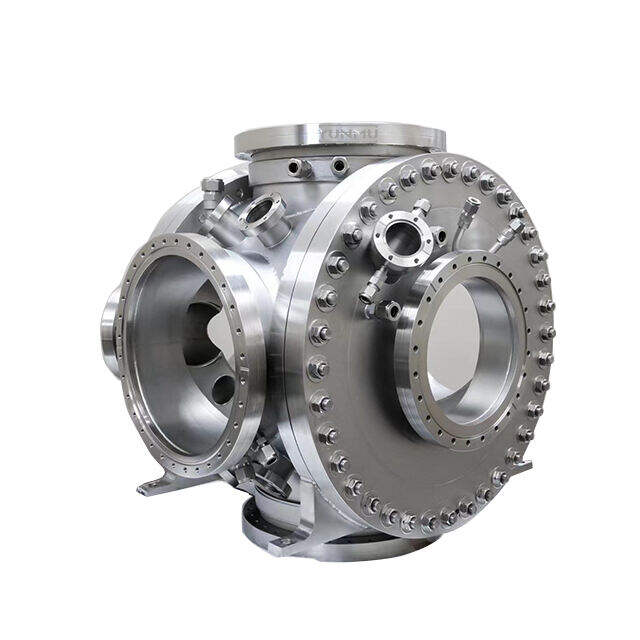
Manufacturing industries across the globe are increasingly recognizing the transformative impact that custom vacuum systems can have on their production processes. These specialized systems offer unprecedented control over manufacturing environments, enabling companies to achieve superior product quality while optimizing operational efficiency. Unlike standard off-the-shelf solutions, custom vacuum systems are meticulously designed to meet the specific requirements of individual production lines, ensuring optimal performance across diverse applications ranging from semiconductor manufacturing to food processing and pharmaceutical production.
Enhanced Production Efficiency Through Tailored Design
Optimized Performance Parameters
The primary advantage of investing in custom vacuum systems lies in their ability to deliver optimized performance parameters that align perfectly with specific production requirements. Standard vacuum systems often operate within generalized specifications that may not fully utilize the potential of specialized manufacturing processes. Custom solutions allow engineers to fine-tune pressure levels, pumping speeds, and chamber configurations to maximize throughput while maintaining consistent quality standards. This precision engineering translates directly into measurable improvements in production efficiency, with many facilities reporting productivity increases of 20-30% following the implementation of custom vacuum systems.
The optimization extends beyond basic performance metrics to include energy consumption patterns, maintenance schedules, and operational flexibility. Custom vacuum systems can be designed to incorporate advanced control algorithms that automatically adjust operational parameters based on real-time production demands, ensuring optimal energy utilization throughout varying production cycles. This intelligent automation reduces operational costs while extending equipment lifespan through reduced wear and tear on critical components.
Integration with Existing Infrastructure
Seamless integration with existing production infrastructure represents another compelling benefit of custom vacuum systems. Rather than requiring extensive facility modifications to accommodate standard equipment, custom solutions can be engineered to fit within current spatial constraints while interfacing effectively with established process controls and monitoring systems. This integration capability significantly reduces implementation costs and minimizes production downtime during installation and commissioning phases.
The integration advantages extend to data collection and analysis capabilities, where custom vacuum systems can be designed to interface directly with existing manufacturing execution systems and quality management platforms. This connectivity enables real-time monitoring of vacuum performance parameters, predictive maintenance scheduling, and comprehensive production analytics that support continuous improvement initiatives across the entire manufacturing operation.
Superior Process Control and Quality Assurance
Precision Environmental Management
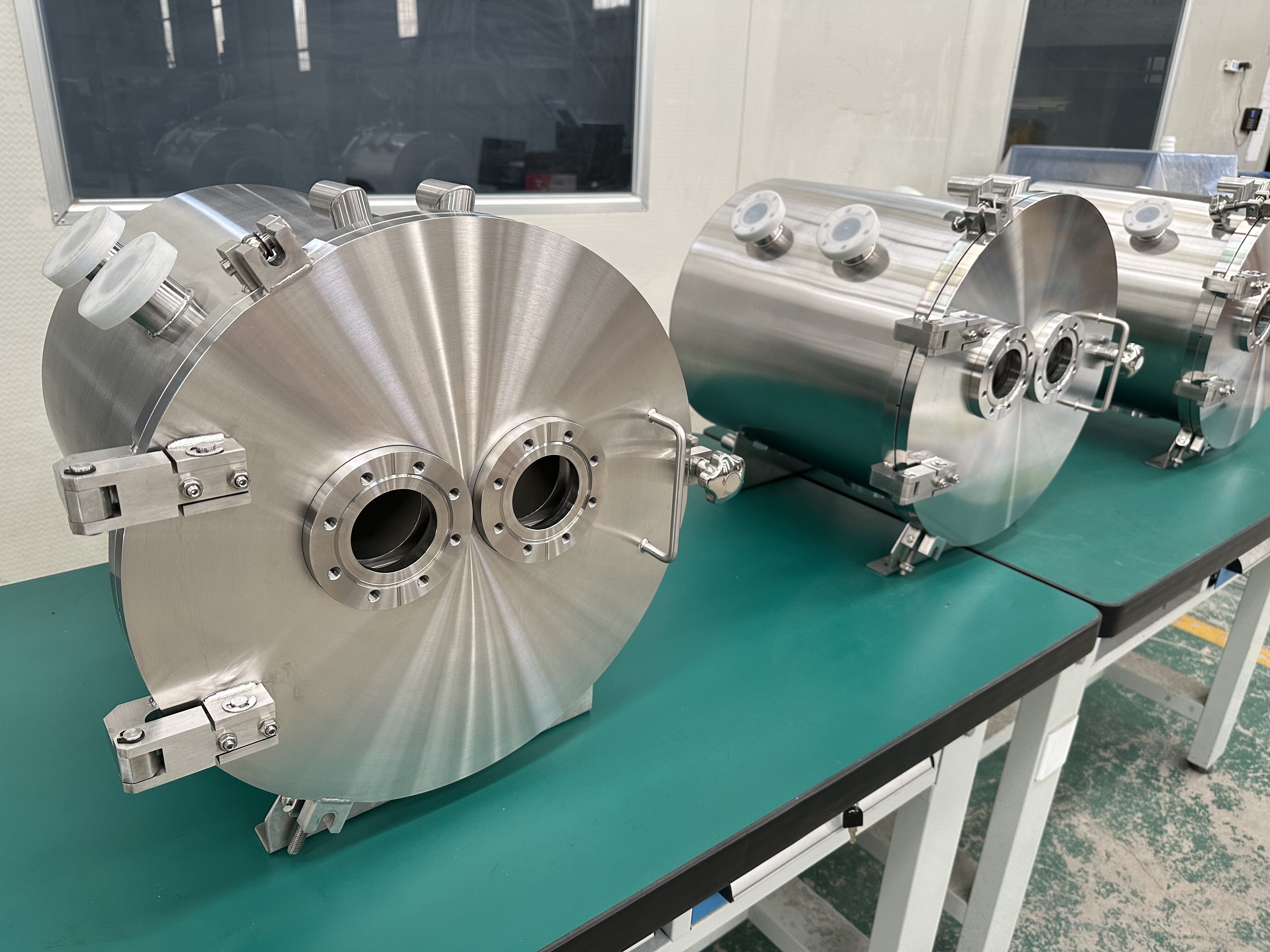
Custom vacuum systems provide unparalleled precision in environmental management, enabling manufacturers to maintain exact atmospheric conditions required for sensitive production processes. This level of control is particularly critical in industries such as electronics manufacturing, where even minute variations in pressure or contamination levels can result in significant product defects. By implementing custom vacuum systems, manufacturers can achieve and maintain vacuum levels with tolerances measured in millitorr, ensuring consistent product quality across entire production runs.
The precision control capabilities extend to contamination management, where custom systems can incorporate specialized filtration and purification technologies tailored to specific contaminant types commonly encountered in particular production environments. This targeted approach to contamination control results in higher product yields and reduced rework costs, delivering measurable returns on investment through improved first-pass quality rates.
Advanced Monitoring and Feedback Systems
Modern custom vacuum systems incorporate sophisticated monitoring and feedback systems that provide real-time visibility into critical process parameters. These advanced monitoring capabilities enable immediate detection of deviations from optimal operating conditions, triggering automated corrective actions or alerting operators to potential issues before they impact production quality. The feedback systems can be customized to track specific parameters most relevant to individual production processes, ensuring comprehensive oversight of all critical variables.
The monitoring capabilities also support comprehensive data logging and analysis, creating valuable datasets that can be leveraged for process optimization, quality trend analysis, and predictive maintenance planning. This data-driven approach to production management enables continuous refinement of operating procedures and proactive identification of improvement opportunities throughout the manufacturing process.
Cost-Effectiveness and Long-Term Value
Reduced Operating Expenses
While the initial investment in custom vacuum systems may appear substantial compared to standard alternatives, the long-term cost benefits are significant and measurable. Custom systems are designed for optimal energy efficiency, incorporating advanced pump technologies and control systems that minimize power consumption during both active operation and standby periods. Many facilities report energy cost reductions of 15-25% following the implementation of properly designed custom vacuum systems, with the savings accumulating substantially over the equipment lifecycle.
The cost-effectiveness extends to maintenance requirements, where custom vacuum systems can be designed with enhanced serviceability features and predictive maintenance capabilities that reduce both scheduled and unscheduled downtime. By incorporating readily accessible service points, modular component designs, and comprehensive diagnostic systems, custom solutions minimize maintenance labor costs while extending the operational lifespan of critical system components.
Scalability and Future-Proofing
Custom vacuum systems offer exceptional scalability advantages that protect manufacturing investments against changing production requirements and technological advancements. Unlike fixed-capacity standard systems, custom solutions can be designed with expansion capabilities that accommodate increased production volumes or enhanced process requirements without requiring complete system replacement. This scalability ensures that vacuum system investments continue to deliver value as business operations evolve and expand.
The future-proofing aspects of custom vacuum systems extend to technological compatibility, where systems can be designed to incorporate emerging technologies and interface standards as they become available. This forward-thinking approach ensures that custom vacuum systems remain relevant and effective throughout their operational lifespan, maximizing return on investment while supporting long-term business growth objectives.
Industry-Specific Applications and Benefits
Semiconductor and Electronics Manufacturing
In semiconductor and electronics manufacturing environments, custom vacuum systems deliver critical benefits in contamination control and process precision that directly impact product yield and reliability. The ultra-clean environments required for semiconductor fabrication demand vacuum systems capable of achieving and maintaining extremely low pressure levels while effectively managing outgassing from process materials and chamber components. Custom vacuum systems can be specifically designed to address these stringent requirements through specialized pump configurations, advanced materials selection, and comprehensive contamination control strategies.
The precision requirements for semiconductor processing also benefit from the advanced control capabilities available in custom vacuum systems. These systems can maintain pressure stability within narrow tolerance bands while providing rapid response to process-driven pressure variations, ensuring optimal conditions for critical manufacturing steps such as thin-film deposition, etching, and ion implantation processes.
Pharmaceutical and Medical Device Production
Pharmaceutical and medical device manufacturing applications require custom vacuum systems that meet stringent regulatory requirements while delivering consistent performance across validated production processes. Custom systems can be designed to incorporate FDA-compliant materials, comprehensive documentation packages, and validation protocols that support regulatory compliance while optimizing production efficiency. The ability to customize system design and documentation ensures that vacuum systems fully support quality management systems and regulatory audit requirements.
The reliability and repeatability requirements of pharmaceutical manufacturing also benefit significantly from custom vacuum systems that can be designed with redundant components, comprehensive monitoring systems, and automated documentation capabilities that support batch record generation and process validation requirements.
Implementation Considerations and Best Practices
Design and Engineering Collaboration
Successful implementation of custom vacuum systems requires close collaboration between manufacturing teams and vacuum system engineers throughout the design and specification process. This collaboration ensures that system designs accurately reflect production requirements while incorporating practical operational considerations that affect long-term system performance and maintainability. The design process should include comprehensive analysis of process requirements, facility constraints, and operational preferences to develop optimal system configurations.
The engineering collaboration extends to performance verification and acceptance testing, where custom vacuum systems must demonstrate compliance with specified performance parameters under actual production conditions. This verification process ensures that systems deliver expected benefits while identifying any optimization opportunities that may enhance system performance or operational efficiency.
Installation and Commissioning Excellence
Proper installation and commissioning of custom vacuum systems are critical factors that determine long-term system performance and reliability. The installation process should follow detailed procedures that ensure proper alignment, connection integrity, and system leak-tightness while minimizing disruption to ongoing production operations. Commissioning activities must include comprehensive performance testing, operator training, and documentation transfer to ensure smooth transition to production operation.
The commissioning process also provides opportunities to optimize system performance through fine-tuning of control parameters and operational procedures based on actual production conditions. This optimization ensures that custom vacuum systems deliver maximum value from the initial stages of operation while establishing baseline performance metrics that support ongoing performance monitoring and improvement initiatives.
FAQ
What factors should be considered when specifying custom vacuum systems for production applications
Key specification factors for custom vacuum systems include required pressure levels and pumping speeds, process gas compatibility, contamination sensitivity requirements, available space and utility connections, integration requirements with existing equipment, maintenance accessibility needs, and regulatory compliance requirements. Additionally, future expansion plans and production volume projections should influence system design to ensure long-term value and scalability.
How do custom vacuum systems compare to standard alternatives in terms of total cost of ownership
While custom vacuum systems typically require higher initial investment compared to standard alternatives, they generally deliver lower total cost of ownership through improved energy efficiency, reduced maintenance requirements, higher process yields, and extended operational lifespan. The customization also eliminates costs associated with modifying standard systems or working around performance limitations that don't match specific production requirements.
What timeline should be expected for custom vacuum system design and implementation
Custom vacuum system projects typically require 12-20 weeks from initial specification through installation and commissioning, depending on system complexity and customization requirements. The timeline includes design and engineering phases, component procurement and fabrication, factory testing and optimization, shipping and installation, and comprehensive commissioning and operator training activities.
How can manufacturers ensure optimal performance from their custom vacuum systems over time
Optimal long-term performance requires implementation of comprehensive preventive maintenance programs, regular performance monitoring and trending analysis, adherence to recommended operating procedures, prompt attention to diagnostic alerts and performance deviations, and periodic performance optimization reviews with vacuum system specialists. Proper operator training and documentation management also contribute significantly to sustained system performance and reliability.
Table of Contents
- Enhanced Production Efficiency Through Tailored Design
- Superior Process Control and Quality Assurance
- Cost-Effectiveness and Long-Term Value
- Industry-Specific Applications and Benefits
- Implementation Considerations and Best Practices
-
FAQ
- What factors should be considered when specifying custom vacuum systems for production applications
- How do custom vacuum systems compare to standard alternatives in terms of total cost of ownership
- What timeline should be expected for custom vacuum system design and implementation
- How can manufacturers ensure optimal performance from their custom vacuum systems over time