
 EN
EN
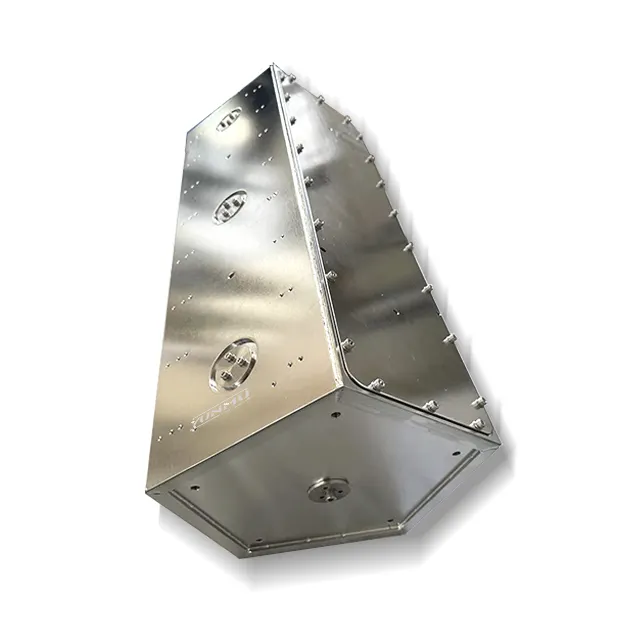
A vacuum chamber represents one of the most versatile and essential pieces of equipment in modern research and industrial applications. These specialized enclosures create controlled environments with significantly reduced atmospheric pressure, enabling processes and experiments that would be impossible under normal atmospheric conditions. From semiconductor manufacturing to space simulation, vacuum chambers serve as the backbone for countless technological advances that shape our daily lives. The ability to eliminate or drastically reduce air molecules within a confined space opens up possibilities for precision manufacturing, scientific research, and quality testing across multiple industries.
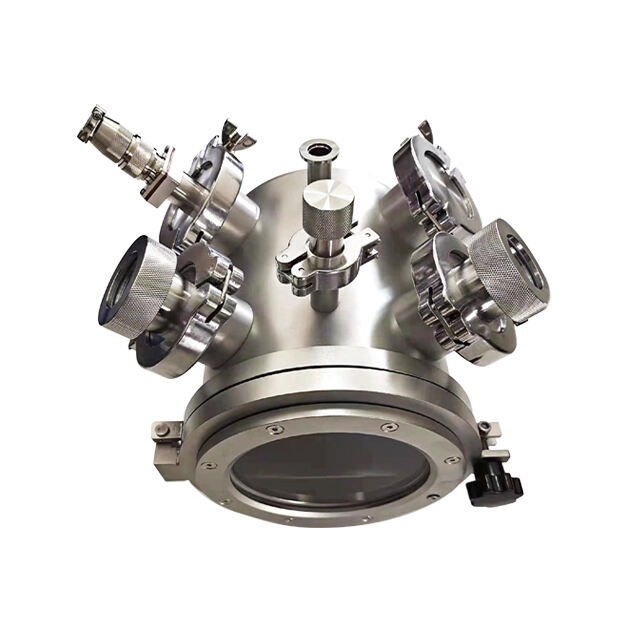
Understanding the fundamental principle behind vacuum chamber technology reveals why these systems have become indispensable across various fields. When air and other gases are removed from an enclosed space, the resulting low-pressure environment eliminates many variables that can interfere with delicate processes. This controlled atmosphere prevents oxidation, reduces contamination risks, and allows for precise control over chemical reactions and physical processes. The versatility of vacuum chambers extends from basic laboratory research to large-scale industrial production, making them critical infrastructure for technological advancement.
Semiconductor and Electronics Manufacturing
Thin Film Deposition Processes
The semiconductor industry relies heavily on vacuum chamber technology for creating the intricate layered structures that define modern microprocessors and electronic components. Thin film deposition processes, including physical vapor deposition and chemical vapor deposition, require ultra-clean environments that only vacuum chambers can provide. These processes involve depositing extremely thin layers of materials, often just atoms thick, onto substrate surfaces with incredible precision. The absence of atmospheric contaminants ensures that each layer maintains its intended properties and thickness uniformity.
Sputtering techniques within vacuum chambers enable manufacturers to create specialized coatings on electronic components with atomic-level control. The vacuum environment prevents unwanted chemical reactions between the deposited materials and atmospheric gases, ensuring the integrity of each deposited layer. This level of control is essential for producing the high-performance chips found in smartphones, computers, and advanced electronic systems that power modern technology.
Plasma Processing and Etching
Plasma-based manufacturing processes represent another critical application of vacuum chambers in electronics production. These chambers create controlled plasma environments where ionized gases can precisely etch patterns into semiconductor wafers or clean surfaces at the molecular level. The vacuum environment ensures that plasma reactions occur predictably without interference from atmospheric contaminants that could alter the etching process or create unwanted byproducts.
Ion implantation processes within vacuum chambers allow manufacturers to introduce specific dopant atoms into semiconductor materials with extraordinary precision. This technique enables the creation of p-type and n-type regions in silicon wafers, forming the fundamental building blocks of transistors and other electronic devices. The controlled vacuum environment ensures that implanted ions reach their intended depths and positions without being scattered by air molecules.
Scientific Research and Development
Materials Science Applications
Research institutions worldwide utilize vacuum chambers to study material properties under conditions impossible to achieve in atmospheric environments. Surface science experiments require ultra-high vacuum conditions to examine how individual atoms and molecules interact with material surfaces. These studies provide crucial insights into catalysis, corrosion resistance, and surface modification techniques that drive innovation across multiple industries.
Crystal growth experiments within vacuum chambers enable researchers to create highly pure single crystals for advanced applications. The absence of atmospheric contaminants allows for controlled nucleation and growth processes, resulting in materials with exceptional properties. These research activities often lead to breakthroughs in superconductor development, optical materials, and advanced alloy formulations that find applications in aerospace and energy sectors.
Space Simulation Testing
Vacuum chambers play an essential role in space technology development by simulating the extreme conditions encountered in outer space environments. Thermal vacuum testing subjects spacecraft components and satellites to the temperature extremes and pressure conditions they will experience during missions. These chambers can simultaneously create the deep vacuum of space while cycling through temperature ranges from hundreds of degrees above to hundreds of degrees below zero.
Outgassing studies conducted in specialized vacuum chamber systems help engineers identify materials that might release harmful gases in space environments. Understanding how different materials behave under vacuum conditions is crucial for ensuring the long-term reliability of space missions and protecting sensitive electronic equipment from contamination during extended space operations.
Industrial Manufacturing Processes
Heat Treatment and Metallurgy
Vacuum heat treatment processes revolutionize metallurgical applications by enabling precise control over material properties without the risk of oxidation or contamination. Vacuum furnaces within specialized chambers allow manufacturers to heat treat metals and alloys at extremely high temperatures while maintaining their chemical composition. This capability is particularly valuable for processing reactive metals like titanium and specialized alloys used in aerospace applications.
Brazing and welding operations within vacuum chambers produce joints with superior strength and corrosion resistance compared to conventional atmospheric processes. The absence of oxygen and other reactive gases prevents the formation of oxides and other contaminants that can weaken joint integrity. Industries manufacturing critical components for aerospace, medical devices, and high-performance automotive applications rely on these vacuum-based joining processes.
Coating and Surface Treatment
Industrial coating applications utilize vacuum chambers to apply protective and functional coatings with exceptional uniformity and adherence. Physical vapor deposition systems create hard, wear-resistant coatings on cutting tools, extending their operational life significantly. The vacuum environment ensures that coating materials reach the substrate surface without contamination or unwanted chemical reactions that could compromise coating performance.
Decorative coating processes within vacuum chambers produce the metallic finishes found on automotive trim, architectural hardware, and consumer electronics. These processes offer environmental advantages over traditional electroplating methods while providing superior coating quality and durability. The precise control possible within vacuum environments enables manufacturers to achieve consistent color and finish quality across large production runs.
Pharmaceutical and Biotechnology Applications
Freeze Drying and Preservation
Pharmaceutical manufacturing extensively employs vacuum chambers for freeze-drying processes that preserve sensitive biological materials and medications. Lyophilization within vacuum chambers removes water content from pharmaceutical products while maintaining their molecular structure and biological activity. This preservation method is essential for creating stable vaccines, antibiotics, and other temperature-sensitive medications that require long shelf lives.
Research applications in biotechnology utilize vacuum chambers for studying biological processes under controlled atmospheric conditions. Cell culture experiments and protein crystallization studies benefit from the precise environmental control that vacuum chambers provide. These applications contribute to drug discovery research and the development of advanced therapeutic treatments.
Sterilization and Contamination Control
Vacuum-based sterilization processes offer alternatives to traditional heat and chemical sterilization methods for heat-sensitive medical devices and pharmaceutical equipment. Plasma sterilization within vacuum chambers uses ionized gases to eliminate microorganisms without exposing sensitive materials to high temperatures or toxic chemicals. This technology is particularly valuable for sterilizing complex medical instruments with intricate internal geometries.
Quality control applications utilize vacuum chambers to test packaging integrity and detect leaks in pharmaceutical containers and medical device packaging. These tests ensure that sterile products remain uncontaminated during storage and transportation, maintaining their safety and efficacy when they reach end users.
Automotive and Aerospace Industries
Component Testing and Validation
Automotive manufacturers employ vacuum chambers to test component reliability under simulated altitude conditions and extreme environmental scenarios. Electronic control modules and sensor systems undergo vacuum testing to ensure proper operation in various atmospheric conditions. These tests are particularly important for automotive systems that must function reliably at high altitudes or in extreme weather conditions.
Leak detection testing within vacuum chambers helps identify potential failure points in fuel systems, brake systems, and other critical automotive components. The sensitivity of vacuum-based leak detection far exceeds that of pressure-based methods, enabling manufacturers to identify and address potential reliability issues before products reach consumers.
Advanced Materials Processing
Aerospace applications utilize vacuum chambers for processing advanced composite materials and superalloys that must withstand extreme conditions during flight operations. Vacuum-assisted resin transfer molding processes create lightweight, high-strength composite components for aircraft structures. The controlled environment prevents air bubbles and ensures complete resin infiltration throughout complex fiber architectures.
Powder metallurgy processes within vacuum chambers produce specialized alloys and metal matrix composites for aerospace applications. Hot isostatic pressing under vacuum conditions eliminates porosity and creates materials with exceptional strength-to-weight ratios. These advanced materials enable the construction of more efficient aircraft engines and structural components.
Quality Control and Testing Applications
Environmental Simulation
Product reliability testing utilizes vacuum chambers to simulate harsh environmental conditions that products may encounter during their operational lives. Combined temperature and vacuum cycling tests accelerate aging processes and reveal potential failure modes that might not become apparent under normal testing conditions. These accelerated tests enable manufacturers to improve product designs and predict service life more accurately.
Electronic component qualification testing within vacuum chambers ensures that sensitive equipment will operate reliably in low-pressure environments such as aircraft cabins or high-altitude installations. These tests verify that components maintain their electrical characteristics and mechanical integrity when subjected to reduced atmospheric pressure conditions.
Precision Measurement and Calibration
Vacuum chambers provide the stable, controlled environments necessary for precision measurement applications and calibration procedures. Coordinate measuring machines and other precision instruments operate more accurately within vacuum chambers where thermal variations and air currents are eliminated. This level of environmental control is essential for maintaining measurement traceability in critical manufacturing applications.
Optical testing and laser system development benefit from the stable atmospheric conditions that vacuum chambers provide. Beam propagation studies and optical component characterization require environments free from atmospheric turbulence and contamination. Research into advanced laser systems and optical communications technologies relies heavily on these controlled testing environments.
FAQ
What types of vacuum levels can be achieved in different chamber designs
Modern vacuum chambers can achieve pressure levels ranging from rough vacuum conditions around 1 torr down to ultra-high vacuum levels below 10^-12 torr, depending on the pumping system configuration and chamber construction. Roughing pumps typically achieve initial evacuation to approximately 10^-3 torr, while turbomolecular and ion pumps can reach ultra-high vacuum conditions necessary for surface science research and semiconductor processing. The ultimate vacuum level depends on factors including chamber materials, joint sealing methods, and the cleanliness of internal surfaces.
How do vacuum chambers maintain their seal integrity during operation
Vacuum chambers employ various sealing technologies including elastomer O-rings, metal gaskets, and welded joints to maintain pressure differentials during operation. O-ring seals using materials like Viton or EPDM work effectively for moderate vacuum applications, while metal seals using copper or aluminum gaskets are necessary for ultra-high vacuum systems. Regular maintenance schedules include seal inspection and replacement to ensure continued leak-tight operation, with leak detection systems monitoring chamber integrity during critical processes.
What safety considerations are important when operating vacuum chamber systems
Vacuum chamber operation requires careful attention to implosion hazards, especially with large chambers operating at high vacuum levels where atmospheric pressure creates enormous inward forces on chamber walls. Proper structural design, regular pressure testing, and safety interlocks prevent catastrophic failure, while personnel training covers emergency procedures and proper operating protocols. Additional safety measures include pressure relief systems, viewing port protection, and proper electrical grounding to prevent static discharge in vacuum environments.
How do different pumping technologies affect vacuum chamber performance
Vacuum chamber performance varies significantly depending on the pumping technology employed, with mechanical roughing pumps providing initial evacuation, turbomolecular pumps achieving high vacuum conditions, and specialized pumps like ion pumps or cryopumps reaching ultra-high vacuum levels. Pump selection affects both ultimate pressure and pumping speed, with considerations including gas composition, required pressure levels, and contamination sensitivity. Proper pump staging and system design optimize chamber performance while minimizing operating costs and maintenance requirements.