
 EN
EN
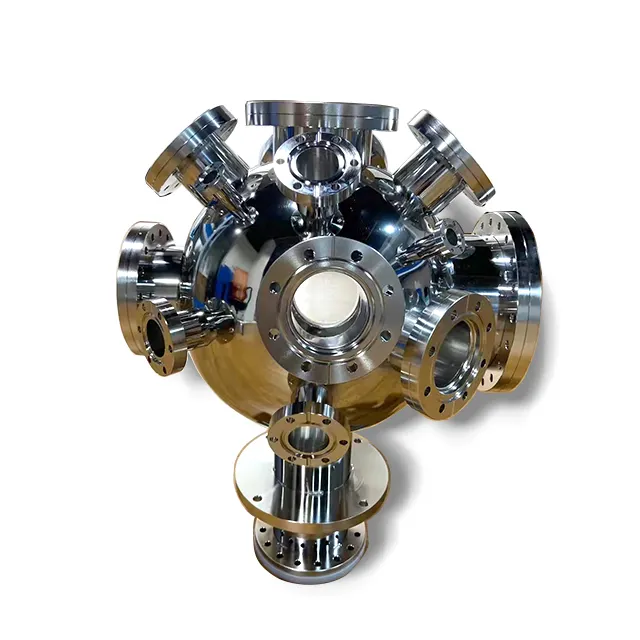
Metal bellows represent a critical component in modern industrial systems, offering exceptional flexibility and reliability in demanding environments. These precision-engineered devices excel in applications requiring compensation for thermal expansion, vibration isolation, and pressure containment. The unique construction of metal bellows enables them to maintain structural integrity while accommodating complex mechanical movements, making them indispensable across aerospace, semiconductor, and chemical processing industries.
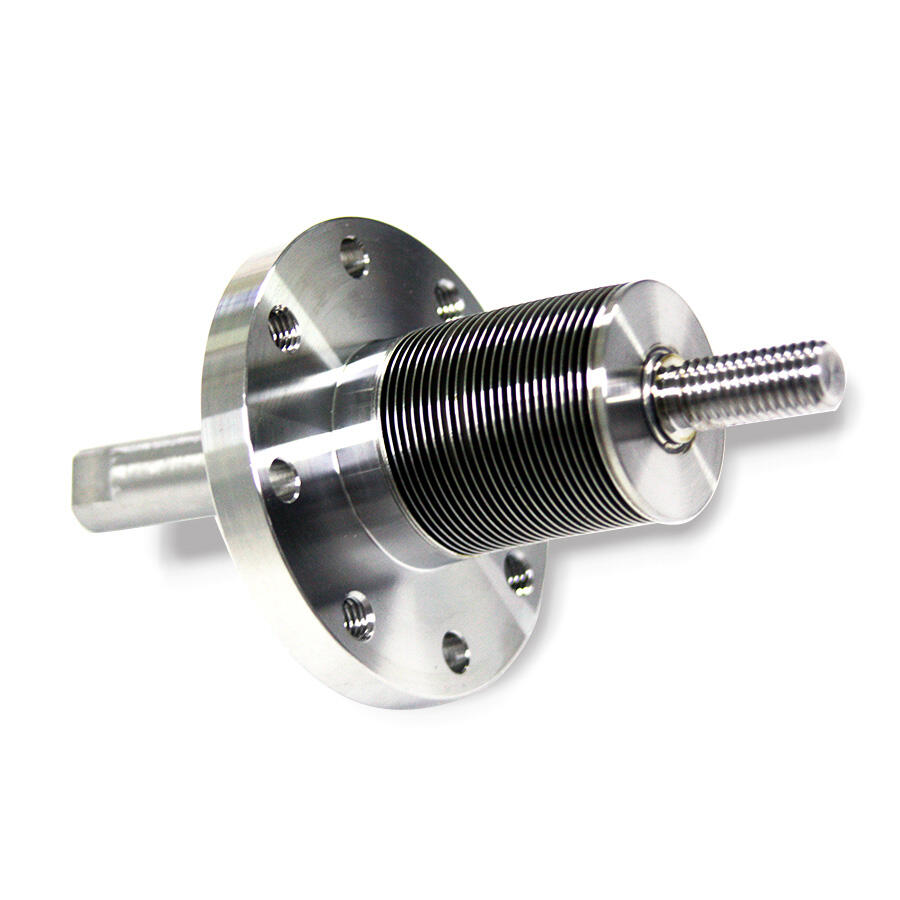
Engineering Excellence in Metal Bellows Design
Advanced Manufacturing Techniques
The production of high-quality metal bellows requires sophisticated manufacturing processes that ensure dimensional accuracy and material consistency. Modern fabrication techniques utilize precise forming methods that create uniform convolutions without compromising material properties. These manufacturing approaches enable metal bellows to achieve superior performance characteristics while maintaining cost-effectiveness for large-scale applications.
Edge welding processes play a crucial role in metal bellows construction, creating leak-tight seals that withstand extreme operating conditions. The welding parameters must be carefully controlled to prevent heat-affected zones that could reduce fatigue life. Advanced quality control measures throughout the manufacturing process ensure that each metal bellows meets stringent performance specifications required for critical applications.
Material Selection Considerations
Material choice significantly impacts the performance and longevity of metal bellows in high-pressure and vacuum environments. Stainless steel grades such as 316L and 321 offer excellent corrosion resistance and mechanical properties for most applications. Specialized alloys like Inconel and Hastelloy provide enhanced performance in extreme temperature and corrosive environments where standard materials would fail.
The grain structure and work hardening characteristics of selected materials directly influence the fatigue resistance of metal bellows. Proper material selection considers factors such as operating temperature range, chemical compatibility, and required cycle life. These considerations ensure optimal performance throughout the intended service life of the metal bellows assembly.
High-Pressure Performance Characteristics
Pressure Rating Optimization
Metal bellows designed for high-pressure applications undergo rigorous testing to verify their pressure-containing capabilities. The convolution geometry and wall thickness distribution are optimized to maximize pressure rating while maintaining acceptable flexibility. Advanced finite element analysis helps engineers predict stress distributions and optimize designs for specific pressure requirements.
Burst pressure testing validates the safety margins built into metal bellows designs, ensuring reliable operation well beyond normal operating pressures. The relationship between convolution depth, pitch, and wall thickness directly affects pressure rating and fatigue life. Proper design optimization balances these parameters to achieve the best overall performance for each specific application.
Structural Integrity Under Load
The unique geometry of metal bellows allows them to accommodate axial, lateral, and angular movements while maintaining pressure containment. This flexibility results from the carefully designed convolution profile that distributes stress evenly across the bellows wall. The ability to handle multiple types of movement simultaneously makes metal bellows ideal for complex piping systems and equipment connections.
Fatigue resistance becomes critical in high-pressure applications where cyclic loading occurs regularly. The stress concentration factors at convolution roots must be minimized through proper design optimization. Material properties, surface finish, and manufacturing quality all contribute to the overall fatigue performance of metal bellows under high-pressure conditions.
Vacuum Application Excellence
Ultra-High Vacuum Compatibility
Metal bellows excel in ultra-high vacuum applications due to their all-metal construction and leak-tight design capabilities. The absence of organic sealing materials eliminates outgassing concerns that could contaminate vacuum environments. Proper surface preparation and cleaning procedures ensure that metal bellows meet the stringent cleanliness requirements of semiconductor and research applications.
The smooth internal surface profile of metal bellows minimizes virtual leak paths that could compromise vacuum performance. Edge-welded construction techniques create continuous metal pathways without crevices or gaps where contaminants could accumulate. These design features make metal bellows particularly suitable for applications requiring ultra-high vacuum levels below 10^-9 Torr.
Thermal Cycling Performance
Vacuum systems often experience significant temperature variations during operation, requiring components that can accommodate thermal expansion and contraction. Metal bellows provide the necessary flexibility to prevent stress buildup in connected equipment while maintaining vacuum integrity. The thermal conductivity of metal construction allows for efficient heat transfer and temperature equalization.
The coefficient of thermal expansion matching between metal bellows and connected components minimizes thermal stress generation. Proper design consideration of operating temperature ranges ensures that thermal movements remain within acceptable limits. This thermal compatibility extends system life and reduces maintenance requirements in demanding vacuum applications.
Application-Specific Design Features
Aerospace and Defense Systems
Aerospace applications demand metal bellows that can withstand extreme environmental conditions while maintaining precise performance characteristics. The weight-to-performance ratio becomes critical in these applications, driving the development of optimized designs that minimize material usage without compromising functionality. Specialized testing protocols verify performance under conditions that simulate actual flight environments.
The reliability requirements for aerospace metal bellows often exceed those of industrial applications, necessitating enhanced quality control measures and material traceability. Environmental factors such as radiation exposure, temperature cycling, and vibration must be considered during design development. These stringent requirements drive continuous innovation in metal bellows technology and manufacturing processes.
Semiconductor Manufacturing Equipment
The semiconductor industry relies heavily on metal bellows for critical process equipment where contamination control is paramount. The ability to maintain ultra-clean environments while providing mechanical flexibility makes metal bellows essential components in wafer processing equipment. Specialized cleaning and packaging procedures ensure that metal bellows meet the cleanliness standards required for semiconductor manufacturing.
Process gas compatibility becomes a major consideration in semiconductor applications, requiring metal bellows materials that remain chemically inert in aggressive chemical environments. The dimensional stability of metal bellows under varying process conditions ensures consistent equipment performance throughout production cycles. These performance characteristics contribute to improved yield and product quality in semiconductor manufacturing processes.
Installation and Maintenance Best Practices
Proper Installation Techniques
Successful metal bellows installation requires careful attention to alignment and support structures to prevent premature failure. Proper pre-compression or extension settings ensure that the bellows operates within its designed movement range throughout its service life. Installation procedures must account for thermal expansion effects and system settling that may occur during initial operation.
Support hardware and guides play crucial roles in controlling bellows movement and preventing over-extension or excessive lateral displacement. The installation environment should be evaluated for potential sources of external loading that could affect bellows performance. Proper documentation of installation parameters enables effective troubleshooting and maintenance planning throughout the system lifecycle.
Monitoring and Inspection Protocols
Regular inspection of metal bellows installations helps identify potential issues before they result in system failures. Visual examination techniques can detect early signs of fatigue cracking, corrosion, or mechanical damage that may compromise performance. Non-destructive testing methods such as dye penetrant inspection provide more detailed evaluation of bellows condition when necessary.
Operating parameter monitoring helps establish baseline performance data that can be used to track bellows condition over time. Changes in system pressure drop, vibration levels, or temperature profiles may indicate developing issues with metal bellows components. Proactive maintenance scheduling based on condition monitoring data optimizes system reliability and minimizes unplanned downtime.
FAQ
What pressure ranges can metal bellows typically handle
Metal bellows can operate across a wide pressure range from full vacuum conditions to several thousand PSI, depending on their design specifications and construction materials. High-pressure applications may require specialized reinforcement techniques, while vacuum applications focus on leak-tight construction and minimal outgassing characteristics. The specific pressure rating depends on factors such as bellows geometry, material selection, and operating temperature conditions.
How do metal bellows compare to rubber expansion joints in high-pressure applications
Metal bellows offer superior pressure ratings, temperature resistance, and chemical compatibility compared to rubber expansion joints in demanding applications. While rubber joints may provide greater flexibility at lower pressures, metal bellows maintain their performance characteristics across wider temperature ranges and resist degradation from aggressive chemicals. The all-metal construction of bellows eliminates concerns about material permeation and contamination that can occur with elastomeric materials.
What factors determine the cycle life of metal bellows in vacuum applications
The cycle life of metal bellows in vacuum applications depends on several key factors including material selection, manufacturing quality, operating stress levels, and environmental conditions. Proper design optimization minimizes stress concentrations at critical locations, while high-quality manufacturing ensures consistent material properties throughout the bellows structure. Operating conditions such as temperature cycling, movement amplitude, and frequency directly impact fatigue performance and overall service life.
Can metal bellows be repaired if they develop leaks during service
While minor leaks in metal bellows can sometimes be addressed through specialized repair techniques, replacement is often the most reliable long-term solution for critical applications. Repair feasibility depends on the location and extent of the damage, as well as the accessibility of the affected area. In high-pressure or vacuum applications where system integrity is paramount, replacement with new metal bellows typically provides the best assurance of continued reliable operation.