 EN
EN

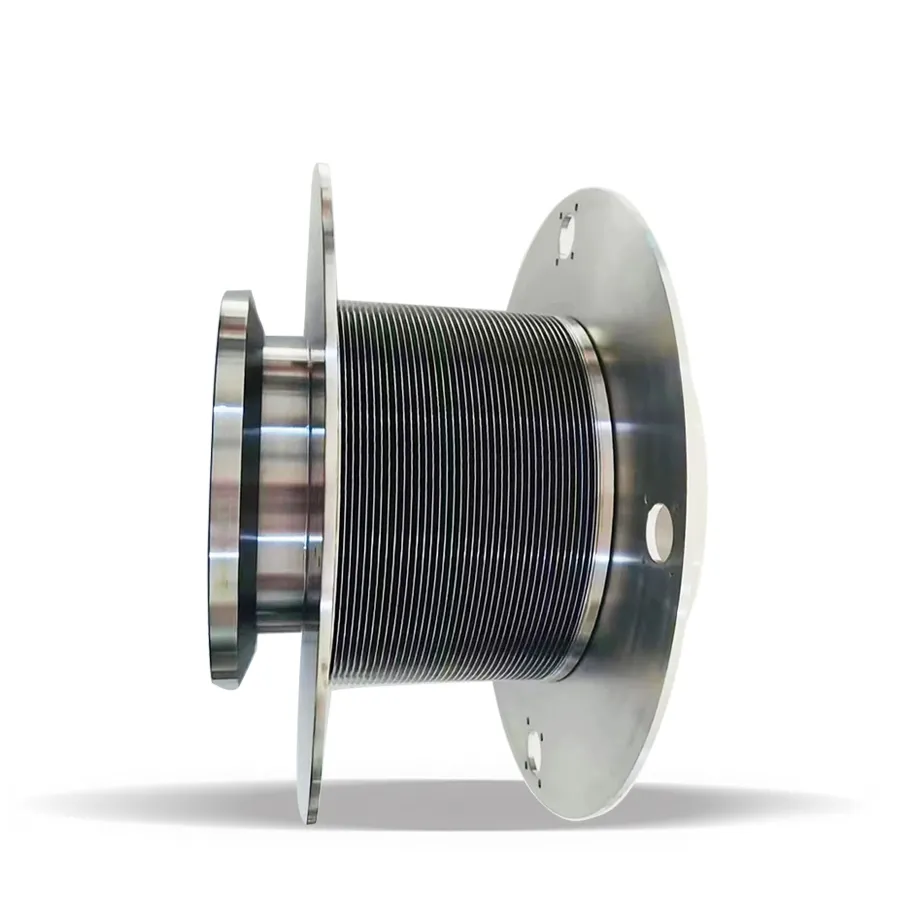
Investing in vacuum technology is a significant engineering and capital decision. Whether you are outfitting a new production line, upgrading an existing system, or expanding into a new application domain, the evaluation process demands more than a quick comparison of pump specifications. Engineers who approach this decision systematically tend to achieve better long-term outcomes, lower total cost of ownership, and fewer integration headaches down the road. The stakes are high enough that a structured pre-investment framework is not just helpful — it is essential.
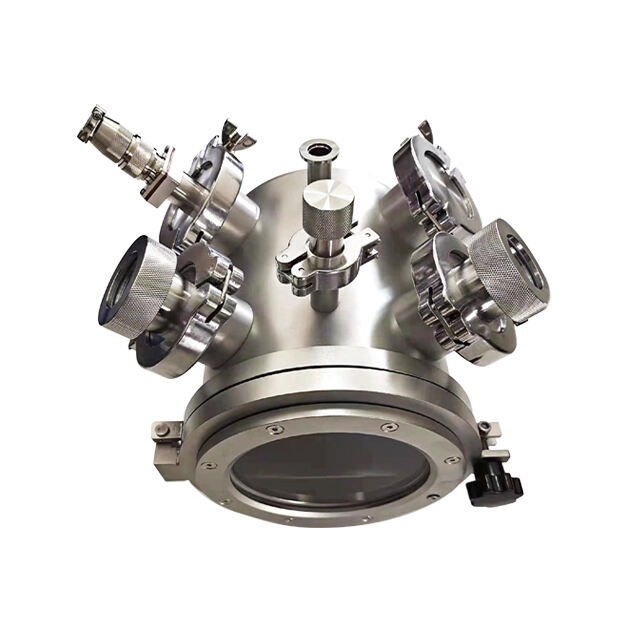
This article walks through the critical evaluation criteria that engineers should examine before committing resources to vacuum technology. From process requirements and system compatibility to maintenance demands and scalability, each factor plays a role in determining whether a given vacuum technology solution will deliver the performance and reliability your application demands. Understanding these dimensions in advance prevents costly mismatches and positions your team to make a confident, well-informed investment.
Understanding Your Process Requirements First
Defining the Required Vacuum Level
The first and most fundamental question any engineer must answer is what vacuum level the process actually requires. Vacuum technology spans a wide pressure range, from rough vacuum used in simple material handling to ultra-high vacuum environments needed in semiconductor fabrication or surface science research. Selecting a system that overshoots your requirements wastes capital, while undershooting creates process failures that are difficult and expensive to correct.
Engineers should document the target pressure range in precise terms, including the acceptable tolerance band. Some processes tolerate modest pressure fluctuations, while others demand extremely stable vacuum conditions throughout the entire cycle. This specification directly determines which category of vacuum technology is appropriate and narrows the field of viable equipment options considerably.
It is also worth considering whether the required vacuum level is constant or variable across different stages of the process. Multi-stage processes may benefit from vacuum technology systems that can modulate pressure dynamically, which adds complexity but can improve efficiency and process control when managed correctly.
Evaluating Gas Load and Throughput Demands
Beyond pressure level, engineers must assess the gas load the system will need to handle. Gas load refers to the total quantity of gas that must be removed per unit of time, and it is influenced by outgassing from materials inside the chamber, process gases introduced intentionally, and any leakage from seals or fittings. Underestimating gas load is one of the most common reasons vacuum technology systems underperform in real-world conditions.
Throughput requirements also affect pump sizing and selection. A system that must reach target pressure quickly after each cycle loading event needs a higher pumping speed than one that operates continuously at steady state. Engineers should model the expected pump-down curve and verify that the selected vacuum technology can meet cycle time requirements under realistic gas load conditions.
Material outgassing is particularly important in applications involving polymers, composites, or coatings. These materials can release significant volumes of gas over time, which sustains a higher-than-expected gas load and makes it harder to reach and maintain deep vacuum levels. Accounting for this in the design phase prevents surprises during commissioning.
Assessing System Compatibility and Integration Factors
Chamber Geometry and Volume Considerations
The physical design of the vacuum chamber is inseparable from the performance of the overall vacuum technology system. Chamber geometry affects how uniformly vacuum is distributed, how efficiently gas is evacuated, and how easily the chamber can be loaded, cleaned, and maintained. Engineers should evaluate whether the chamber shape and volume are well-matched to the process workflow before finalizing any investment.
Cylindrical chambers, for example, offer structural advantages under vacuum loading conditions due to their ability to distribute stress evenly across the wall. This makes them a practical choice for many industrial and research applications where pressure differentials are substantial. The internal volume must also be sized appropriately — too large a chamber increases pump-down time and energy consumption, while too small a chamber limits process flexibility.
Port placement and feedthrough locations are additional design details that affect integration. Engineers should confirm that the chamber design accommodates all required electrical, fluid, and mechanical feedthroughs without compromising vacuum integrity. Retrofitting ports after installation is costly and often introduces leak risks that degrade system performance.
Compatibility with Existing Infrastructure
Vacuum technology does not operate in isolation. It must interface with power supplies, cooling systems, process gas lines, control systems, and safety interlocks. Before investing, engineers should audit the existing facility infrastructure to identify any gaps or incompatibilities that would require additional investment to resolve.
Electrical supply requirements, cooling water flow rates, and compressed air availability are common infrastructure factors that can affect installation timelines and costs. If the facility lacks adequate cooling capacity, for instance, certain pump technologies may not be viable without supplementary cooling infrastructure. These dependencies should be mapped out early in the evaluation process.
Control system integration is another area that deserves careful attention. Modern vacuum technology systems often include programmable logic controllers and communication interfaces that must be compatible with the facility's automation architecture. Confirming protocol compatibility and data exchange requirements before purchase avoids integration delays during commissioning.
Evaluating Reliability, Maintenance, and Total Cost of Ownership
Mean Time Between Failures and Service Intervals
Reliability is a core evaluation criterion for any vacuum technology investment, particularly in production environments where unplanned downtime translates directly into lost output and revenue. Engineers should request detailed reliability data from equipment suppliers, including mean time between failures, typical service intervals, and historical performance data from comparable applications.
Different vacuum technology platforms have very different maintenance profiles. Oil-sealed rotary vane pumps require regular oil changes and periodic rebuilds, while dry screw pumps eliminate oil but may require more frequent attention to internal clearances in contaminated process environments. Understanding the maintenance burden associated with each technology type helps engineers make realistic assessments of operating cost and staffing requirements.
Spare parts availability and lead times are also worth investigating before committing to a specific vacuum technology platform. In some industries, equipment downtime is measured in hours, and waiting weeks for a critical replacement component is simply not acceptable. Engineers should confirm that consumables and wear parts are readily available and that the supplier maintains adequate inventory.
Energy Consumption and Lifecycle Cost Analysis
Energy consumption is an increasingly important factor in vacuum technology investment decisions, both for cost management and sustainability reasons. Vacuum pumps can be significant energy consumers, particularly in continuous-duty applications. Engineers should compare the power consumption of candidate systems under realistic operating conditions, not just at peak rated performance.
Variable speed drive technology has made it possible to match pump output to actual process demand, reducing energy consumption during periods of lower gas load. This capability can deliver meaningful energy savings over the lifecycle of the equipment and should be factored into the total cost of ownership analysis alongside capital cost, installation cost, and maintenance cost.
A full lifecycle cost model should account for all foreseeable expenditures over the expected service life of the vacuum technology system. This includes consumables, scheduled maintenance, unplanned repairs, energy, and eventual decommissioning or replacement. Engineers who evaluate only the purchase price often underestimate the true cost of ownership by a significant margin.
Scalability, Future-Proofing, and Application Fit
Matching Vacuum Technology to Application Demands
Not all vacuum technology platforms are equally suited to every application. The chemical compatibility of wetted materials, the tolerance for process contamination, the required cleanliness level, and the operating temperature range all influence which technology is appropriate. Engineers should develop a detailed application profile and use it as a filter when evaluating candidate systems.
In applications involving corrosive or reactive process gases, material selection for pump internals, seals, and chamber surfaces becomes critical. Vacuum technology systems that are not designed for chemical compatibility can suffer accelerated wear, seal degradation, and contamination of the process environment. Confirming material compatibility with the actual process chemistry is a non-negotiable step in the evaluation process.
Cleanliness requirements are particularly stringent in semiconductor, pharmaceutical, and food processing applications. Vacuum technology systems used in these environments must meet specific standards for particulate generation, outgassing, and contamination control. Engineers should verify that candidate systems have been validated for use in the relevant application category before making a purchase decision.
Planning for Capacity Growth and Process Evolution
A vacuum technology investment should be evaluated not only against current requirements but also against anticipated future needs. Production volumes may increase, process parameters may change, and new applications may be added over the system's service life. Engineers who plan for scalability from the outset avoid the cost and disruption of premature system replacement.
Modular vacuum technology architectures allow capacity to be expanded incrementally by adding pumping stages or parallel pump sets without replacing the entire system. This approach preserves the initial investment while providing a clear upgrade path as requirements evolve. Engineers should ask suppliers about modular expansion options and confirm that the base system architecture supports future growth.
Process evolution is another dimension of future-proofing. If there is any possibility that the process chemistry, pressure requirements, or throughput demands will change significantly over the system's service life, engineers should select vacuum technology with sufficient flexibility to accommodate those changes. Locking into a highly specialized system that cannot adapt to evolving requirements is a risk that careful evaluation can help avoid.
Supplier Evaluation and Technical Support Considerations
Assessing Technical Expertise and Application Support
The quality of technical support available from a vacuum technology supplier is a factor that is easy to overlook during the evaluation process but becomes critically important once the system is installed and operating. Engineers should assess the supplier's depth of application knowledge, their ability to provide system design guidance, and their responsiveness to technical inquiries before making a commitment.
Suppliers with strong application engineering teams can add significant value during the design and commissioning phases by helping engineers optimize system configuration, troubleshoot integration challenges, and validate performance against process requirements. This expertise is particularly valuable for complex or novel applications where established best practices may not be directly applicable.
Reference installations in comparable applications are a useful indicator of supplier capability and system performance. Engineers should request references and, where possible, visit or speak with operators of similar vacuum technology systems to gain firsthand insight into real-world performance, reliability, and support quality.
Warranty, Documentation, and Compliance Requirements
Warranty terms and documentation quality are practical indicators of a supplier's confidence in their vacuum technology products and their commitment to customer success. Engineers should review warranty coverage carefully, paying attention to exclusions, conditions, and the process for making warranty claims. A comprehensive warranty with clear terms provides meaningful protection against early-life failures.
Technical documentation, including installation manuals, operating procedures, maintenance guides, and spare parts lists, should be thorough, accurate, and available in the required language. Inadequate documentation increases the risk of installation errors, maintenance mistakes, and safety incidents. Engineers should request sample documentation before purchase to assess its quality and completeness.
Regulatory compliance requirements vary by industry and geography. Vacuum technology systems used in certain applications must meet specific safety standards, pressure vessel codes, or industry certifications. Engineers should identify all applicable compliance requirements early in the evaluation process and confirm that candidate systems meet those requirements before proceeding with a purchase.
FAQ
What is the most important factor to evaluate before investing in vacuum technology?
The most important starting point is a precise definition of your process requirements, particularly the required vacuum level and gas load. Without this foundation, it is impossible to select vacuum technology that will reliably meet your application needs. All other evaluation criteria — compatibility, reliability, cost, and scalability — build on this baseline specification.
How does chamber design affect the performance of a vacuum technology system?
Chamber design directly influences pump-down time, pressure uniformity, structural integrity under vacuum loading, and ease of maintenance. A well-matched chamber geometry reduces the gas volume that must be evacuated, supports efficient flow paths to the pump, and withstands the mechanical stresses of repeated pressure cycling. Engineers should evaluate chamber design as an integral part of the overall vacuum technology system rather than as a separate component.
Why is total cost of ownership more relevant than purchase price when evaluating vacuum technology?
Purchase price represents only a fraction of the total expenditure associated with a vacuum technology system over its service life. Energy consumption, maintenance labor, consumables, spare parts, and unplanned downtime costs can collectively exceed the initial capital cost many times over. A lifecycle cost analysis gives engineers a more accurate basis for comparing competing systems and making investment decisions that deliver genuine long-term value.
How should engineers account for future process changes when selecting vacuum technology?
Engineers should document not only current process requirements but also plausible future scenarios involving higher throughput, different process chemistries, or expanded application scope. Selecting vacuum technology with modular architecture, broad chemical compatibility, and adjustable performance parameters provides flexibility to accommodate process evolution without requiring full system replacement. Discussing future requirements openly with the supplier during the evaluation process helps identify systems that offer the best long-term fit.
Table of Contents
- Understanding Your Process Requirements First
- Assessing System Compatibility and Integration Factors
- Evaluating Reliability, Maintenance, and Total Cost of Ownership
- Scalability, Future-Proofing, and Application Fit
- Supplier Evaluation and Technical Support Considerations
-
FAQ
- What is the most important factor to evaluate before investing in vacuum technology?
- How does chamber design affect the performance of a vacuum technology system?
- Why is total cost of ownership more relevant than purchase price when evaluating vacuum technology?
- How should engineers account for future process changes when selecting vacuum technology?