 EN
EN

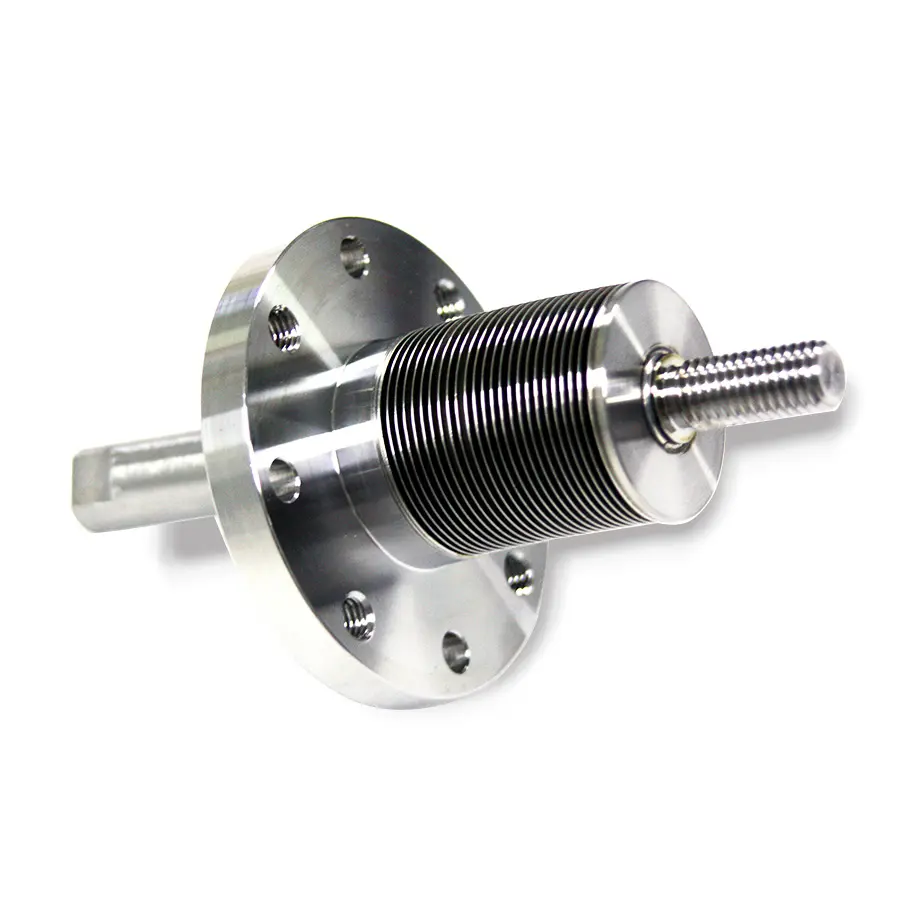
For industrial buyers stepping into a vacuum system procurement process, the sheer range of available vacuum accessories can be overwhelming. From sealing components to flanges, centering rings, and clamps, each piece plays a specific role in maintaining system integrity, leak-free performance, and long-term operational reliability. Making the wrong prioritization decision early on can lead to costly downtime, contamination risks, or repeated maintenance cycles that erode productivity across the facility.
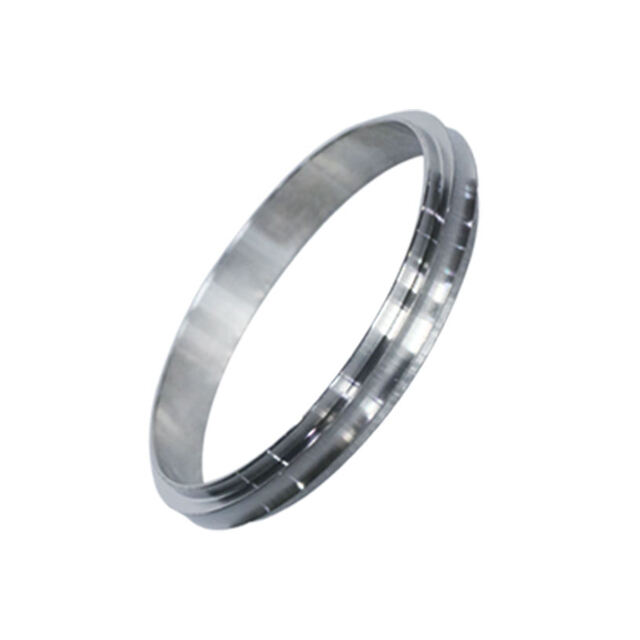
Understanding which vacuum accessories deserve first attention is not simply a matter of budget allocation — it is a strategic decision rooted in system design, application requirements, and the operating environment. Industrial buyers who approach this selection with a clear framework consistently achieve better system performance, lower total cost of ownership, and fewer unplanned interruptions. This article walks through the key categories and decision logic that should guide your prioritization from the very beginning.
The Foundation of Any Vacuum System: Sealing and Connection Components
Why Sealing Components Come First
Before any other vacuum accessories are evaluated, sealing components must be addressed. The entire performance of a vacuum system depends on its ability to maintain a controlled pressure environment, and that ability starts with the quality and compatibility of seals. O-rings, gaskets, and centering rings are the first line of defense against atmospheric leakage, and any compromise here undermines every other component in the system.
Industrial buyers should assess the chemical compatibility of sealing materials with the process gases or vapors present in their application. Viton, Buna-N, and PTFE-based seals each offer different resistance profiles, and selecting the wrong material leads to premature degradation, outgassing, and contamination. Prioritizing the right sealing vacuum accessories at the outset prevents cascading failures downstream.
Centering rings, in particular, are a critical subset of sealing components used in KF (Klein Flange) connections. They ensure proper alignment and compression of the O-ring during assembly, which directly affects the leak rate of the joint. Buyers working with KF-style vacuum lines should treat centering rings as non-negotiable first-priority vacuum accessories rather than afterthoughts.
Flange Standards and Connection Compatibility
Connection compatibility is the second dimension of foundational vacuum accessories. Industrial vacuum systems are built around standardized flange types — KF, CF (ConFlat), and ISO flanges being the most common in industrial and research environments. Selecting vacuum accessories that match the flange standard used throughout your system is essential for achieving consistent, repeatable connections.
Mismatched flange standards are a surprisingly common source of procurement errors, particularly when buyers source vacuum accessories from multiple suppliers without a unified specification sheet. A single incompatible flange adapter can introduce a weak point that limits the achievable vacuum level across the entire system. Buyers should document their flange standards before placing any accessory orders.
When expanding or modifying an existing vacuum system, transition fittings and reducers become important vacuum accessories to prioritize. These components allow different flange sizes or standards to be connected without compromising the vacuum envelope, giving buyers the flexibility to integrate new equipment without a full system redesign.
Mechanical Support and System Integrity Components
Clamps and Fastening Hardware
Once sealing and connection components are addressed, the next category of vacuum accessories to prioritize involves mechanical support — specifically clamps and fastening hardware. KF clamps, wing-nut clamps, and chain clamps are used to secure flange connections and maintain consistent compression on sealing elements. Their quality directly affects both the reliability of the vacuum seal and the ease of maintenance access.
Industrial environments subject vacuum systems to vibration, thermal cycling, and mechanical stress. Clamps that are undersized, poorly manufactured, or made from incompatible materials can loosen over time, leading to gradual leak development that is difficult to diagnose. Buyers should prioritize clamps made from stainless steel or other corrosion-resistant alloys, particularly in environments with humidity, chemical exposure, or temperature variation.
The torque specification and clamping force of fastening vacuum accessories should also be matched to the flange size and seal material in use. Over-tightening can deform O-rings and reduce their effective sealing life, while under-tightening leaves the joint vulnerable to leak paths. Selecting clamps with clear torque guidance or integrated locking features adds a layer of process control that benefits maintenance teams.
Bellows, Flexible Hoses, and Vibration Isolation
Flexible connection vacuum accessories such as bellows and corrugated hoses serve a dual purpose: they accommodate misalignment between system components and isolate vibration generated by pumps or mechanical equipment. In high-throughput industrial settings, vibration transmission through rigid vacuum lines can accelerate wear on flanges, seals, and instrumentation, making flexible connectors a high-priority category.
Metal bellows are preferred in applications requiring high vacuum levels or elevated temperatures, as they offer low outgassing rates and excellent dimensional stability. Flexible rubber or polymer hoses are suitable for rougher vacuum ranges and offer easier installation in constrained spaces. Buyers should match the flexibility and material specification of these vacuum accessories to the actual operating conditions rather than defaulting to the lowest-cost option.
Vibration isolation mounts and anti-vibration pads, while sometimes overlooked, are vacuum accessories that protect the entire system from mechanical fatigue. In facilities where vacuum pumps operate continuously, the cumulative effect of vibration on connection points and instrumentation can be significant. Addressing this early in the system design phase is far more cost-effective than diagnosing vibration-related failures after installation.
Monitoring and Control Accessories for Operational Visibility
Vacuum Gauges and Pressure Measurement Devices
Operational visibility is a dimension of vacuum accessories that industrial buyers sometimes defer, treating gauges and sensors as optional add-ons rather than essential components. This is a prioritization mistake. Without accurate pressure measurement, operators cannot confirm that the system is performing within specification, detect early signs of seal degradation, or respond to process deviations before they cause product loss or equipment damage.
The selection of vacuum gauges should be guided by the pressure range of the application. Thermocouple gauges, Pirani gauges, and capacitance manometers each cover different vacuum ranges and offer different levels of accuracy. Buyers should identify the critical pressure setpoints for their process and select vacuum accessories that provide reliable measurement at those levels, with appropriate safety margins.
Digital vacuum gauges with analog output or communication interfaces are increasingly preferred in industrial automation environments, as they allow pressure data to be integrated into process control systems. This connectivity transforms vacuum accessories from passive components into active contributors to process quality and traceability, which is particularly valuable in regulated industries such as pharmaceuticals, semiconductors, and food processing.
Valves and Flow Control Components
Valves are among the most functionally critical vacuum accessories in any industrial system. Gate valves, butterfly valves, and angle valves control the flow of gas through the vacuum line, isolate sections of the system for maintenance, and protect sensitive equipment from sudden pressure changes. Prioritizing the right valve types and specifications early in the procurement process prevents costly retrofits later.
Manual valves are appropriate for systems where process conditions are stable and operator intervention is infrequent. Pneumatically or electrically actuated valves are better suited to automated processes where rapid response, remote operation, or interlocking with other system controls is required. The actuation method should be determined by the process requirements, not by default selection of the most familiar option.
Buyers should also consider the conductance of valves as vacuum accessories — that is, their ability to allow gas flow without creating a bottleneck in the system. A valve with insufficient conductance can limit the achievable vacuum level or extend pump-down times, reducing process efficiency. Conductance specifications should be reviewed alongside pressure range and compatibility requirements during the selection process.
Material Selection and Environmental Compatibility
Matching Materials to Process Conditions
Material selection is a cross-cutting priority that applies to virtually all categories of vacuum accessories. The operating environment — including temperature range, chemical exposure, radiation levels, and cleanliness requirements — determines which materials are acceptable for each component. Buyers who treat material selection as a secondary concern often encounter premature failure, contamination, or regulatory non-compliance.
Stainless steel, particularly 304 and 316 grades, is the most widely used material for vacuum accessories in industrial applications due to its combination of corrosion resistance, mechanical strength, and low outgassing characteristics. Aluminum is used where weight reduction is important, though it offers lower corrosion resistance in aggressive chemical environments. Buyers should specify material grades explicitly rather than accepting generic 'metal' designations from suppliers.
In ultra-high vacuum (UHV) applications, material selection becomes even more critical. Outgassing from polymers, lubricants, and surface contaminants can prevent the system from reaching target pressure levels. In these environments, vacuum accessories must be manufactured from UHV-compatible materials, cleaned to appropriate standards, and packaged to prevent recontamination before installation.
Surface Finish and Cleanliness Standards
Surface finish is a technical specification that significantly affects the performance of vacuum accessories in demanding applications. Rough internal surfaces increase the effective surface area available for gas adsorption and desorption, which raises the base pressure achievable by the system. Electropolished or mechanically polished internal surfaces reduce this effect and improve pump-down performance.
Cleanliness standards for vacuum accessories are defined by the application. Semiconductor fabrication, pharmaceutical manufacturing, and scientific research environments typically require components that have been cleaned, inspected, and packaged under controlled conditions. Buyers in these sectors should request documentation of cleaning procedures and cleanliness certifications as part of the procurement process.
Even in less demanding industrial applications, receiving vacuum accessories in a clean, protected condition reduces the risk of introducing contamination during installation. Buyers should establish receiving inspection procedures that verify the condition of components before they are installed, particularly for sealing elements and internal flow surfaces that are difficult to clean after assembly.
Procurement Strategy and Long-Term Inventory Planning
Standardization as a Procurement Advantage
One of the most practical strategies for industrial buyers managing vacuum accessories across multiple systems or facilities is standardization. By selecting a consistent set of flange standards, seal materials, and connection types across the organization, buyers reduce the complexity of spare parts inventory, simplify maintenance training, and improve the speed of emergency repairs.
Standardization also creates leverage in supplier negotiations, as consolidated purchasing volumes for a defined set of vacuum accessories typically yield better pricing, lead times, and technical support. Buyers who allow each project team to independently select vacuum accessories without a common specification framework often end up with fragmented inventories that are expensive to maintain and difficult to manage.
Developing an approved vendor list for vacuum accessories, with clear specifications for each component category, is a foundational step in building a mature procurement function. This list should be reviewed periodically to incorporate new materials, updated standards, and lessons learned from field performance data.
Spare Parts Planning and Critical Stock Levels
Unplanned downtime caused by the unavailability of vacuum accessories is one of the most preventable sources of production loss in industrial facilities. Sealing components, in particular, are high-wear items that should be stocked in sufficient quantities to support rapid replacement without waiting for supplier lead times. Buyers should analyze historical consumption data and failure patterns to set appropriate minimum stock levels.
Critical vacuum accessories — those whose failure would cause immediate system shutdown — should be identified and stocked as priority items regardless of their unit cost. The cost of carrying a small inventory of O-rings, centering rings, or clamps is negligible compared to the cost of a production stoppage caused by their absence. This risk-based approach to spare parts planning is a hallmark of mature maintenance organizations.
Buyers should also consider the shelf life of elastomeric vacuum accessories such as O-rings and gaskets. These components degrade over time even in storage, particularly when exposed to UV light, ozone, or temperature extremes. Implementing a first-in, first-out rotation policy and storing elastomeric vacuum accessories in controlled conditions extends their usable life and reduces waste.
FAQ
What are the most important vacuum accessories for a new industrial vacuum system?
For a new system, sealing components such as O-rings and centering rings should be the first priority, followed by compatible flanges and clamps. These foundational vacuum accessories determine whether the system can achieve and maintain its target pressure. Gauges and valves should be selected next to ensure operational visibility and flow control from the start.
How do I know if my vacuum accessories are compatible with my system's flange standard?
Compatibility is determined by matching the flange type (KF, CF, or ISO), the nominal size, and the seal material to the specifications of your existing system components. Always verify the flange standard and size before ordering vacuum accessories, and request dimensional drawings or datasheets from suppliers to confirm fit before installation.
Why does material selection matter so much for vacuum accessories?
Material selection affects corrosion resistance, outgassing behavior, temperature tolerance, and chemical compatibility — all of which directly influence system performance and component lifespan. Using vacuum accessories made from incompatible materials can lead to contamination, premature seal failure, or an inability to reach the required vacuum level, particularly in high-vacuum or chemically aggressive environments.
How often should sealing vacuum accessories be replaced in an industrial setting?
Replacement intervals depend on the operating conditions, cycle frequency, and seal material. In continuous-operation systems, O-rings and gaskets may need inspection every three to six months, while less demanding applications may allow annual replacement cycles. Establishing a preventive maintenance schedule based on actual operating data is more reliable than following generic replacement intervals.
Table of Contents
- The Foundation of Any Vacuum System: Sealing and Connection Components
- Mechanical Support and System Integrity Components
- Monitoring and Control Accessories for Operational Visibility
- Material Selection and Environmental Compatibility
- Procurement Strategy and Long-Term Inventory Planning
-
FAQ
- What are the most important vacuum accessories for a new industrial vacuum system?
- How do I know if my vacuum accessories are compatible with my system's flange standard?
- Why does material selection matter so much for vacuum accessories?
- How often should sealing vacuum accessories be replaced in an industrial setting?