 EN
EN

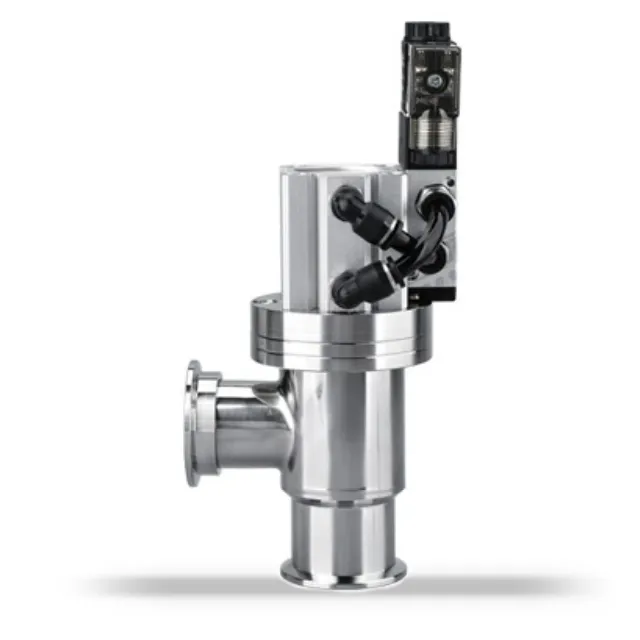
When production lines run at high capacity without interruption, every supporting system must match that intensity. Vacuum solutions sit at the heart of many industrial processes — from automated pick-and-place operations to packaging, forming, and conveying. Choosing the right vacuum solutions for a demanding production environment is not simply about raw suction power. It is about reliability, consistency, energy efficiency, and long-term serviceability under continuous operating conditions. Getting this selection wrong leads to downtime, wasted energy, and costly repairs that erode productivity gains.
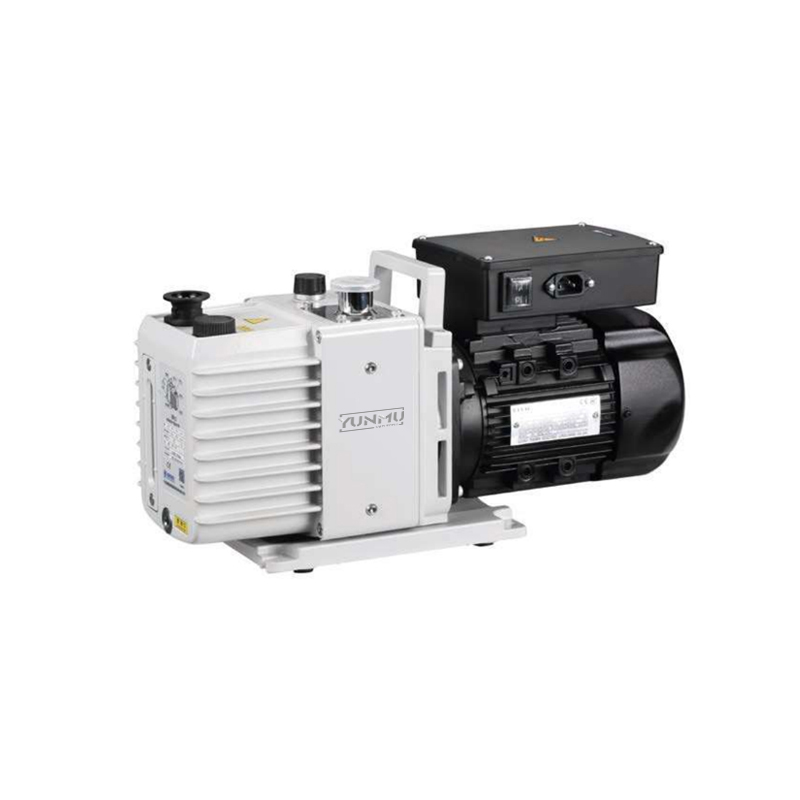
High demand production lines place extraordinary stress on equipment. Vacuum solutions that work perfectly in low-cycle or batch environments may fail prematurely under 24/7 continuous operation. This guide examines which vacuum solutions are best suited for high throughput industrial settings, what performance factors matter most, and how to match system design to your specific production requirements. Understanding these distinctions helps facility managers, plant engineers, and procurement teams make informed, cost-effective decisions when investing in vacuum solutions.
Core Performance Factors in High Demand Environments
Continuous Duty Ratings and Thermal Management
The most critical distinction for vacuum solutions on high demand lines is the continuous duty rating. Many vacuum solutions are designed for intermittent use and will overheat when operated without regular rest cycles. For production lines that run multiple shifts or operate around the clock, vacuum solutions must carry a 100% continuous duty rating. This means the motor, pump mechanism, and cooling system are all engineered to sustain full performance without thermal degradation over extended periods. Oil-sealed rotary vane vacuum solutions are widely respected for their ability to maintain this level of sustained operation, provided they receive appropriate maintenance and lubrication.
Thermal management is closely linked to system longevity. Vacuum solutions that generate excessive heat will experience faster seal wear, oil degradation, and bearing failure. When evaluating vacuum solutions for high demand environments, confirm the thermal specifications and understand the cooling method — whether air-cooled or water-cooled — and ensure the installation environment supports adequate airflow or coolant supply. Vacuum solutions with integrated thermal protection will automatically shut down before damage occurs, preventing catastrophic failures during production runs.
Flow Rate and Vacuum Depth Requirements
Not all vacuum solutions deliver the same combination of flow rate and achievable vacuum depth. High demand production lines often require vacuum solutions that can generate deep vacuum levels quickly while sustaining high volumetric flow. Applications such as vacuum forming, thermoforming, and large-area lifting require vacuum solutions with significant pumping speed to maintain process vacuum against leakage and material outgassing. Vacuum solutions that are undersized for the application will constantly hunt for set-point pressure, stressing the motor and reducing process consistency. Correctly sizing vacuum solutions to match actual system demand — including realistic leakage allowances — is a fundamental step that prevents performance shortfalls during peak production cycles.
System Types Best Suited for High Throughput Lines
Oil-Sealed Rotary Vane Vacuum Solutions
Among the many categories of vacuum solutions available today, oil-sealed rotary vane pumps represent one of the most proven choices for high demand industrial production. These vacuum solutions deliver deep ultimate vacuum levels, typically reaching below 0.5 mbar, while maintaining consistent pumping speed across a wide range of operating pressures. The oil film within rotary vane vacuum solutions serves dual purposes: it seals the pumping chamber to achieve deep vacuum and lubricates the rotating vanes to reduce mechanical wear. This combination makes oil-sealed rotary vane vacuum solutions particularly well-suited for applications demanding both depth and durability. When sourcing such vacuum solutions, the vacuum solutions offered by specialized industrial pump manufacturers provide a reliable starting point for high performance requirements.
Maintenance schedules for oil-sealed rotary vane vacuum solutions are straightforward and well-established. Regular oil changes, filter inspections, and vane condition checks ensure these vacuum solutions remain at peak performance over years of operation. For production facilities that cannot afford extended maintenance shutdowns, having standardized spare parts kits and trained maintenance personnel for these vacuum solutions greatly reduces mean time to repair. The simplicity and repairability of oil-sealed rotary vane vacuum solutions make them a preferred choice for lean manufacturing environments where uptime is non-negotiable.
Centralized Vacuum Solutions vs. Decentralized Point-of-Use Systems
Another key decision when selecting vacuum solutions for high demand lines is choosing between a centralized system and decentralized point-of-use vacuum solutions. Centralized vacuum solutions consist of one or more large pumps supplying vacuum through a networked distribution system. This approach simplifies maintenance, allows for redundancy through parallel pump configuration, and typically delivers better energy efficiency at scale. Decentralized vacuum solutions place smaller units directly at each workstation or machine, reducing pipeline losses and offering flexibility for modular production layouts. For high demand production lines with consistent, predictable vacuum consumption, centralized vacuum solutions usually offer a better total cost of ownership. For lines with highly variable or geographically dispersed demand, decentralized vacuum solutions may be more practical.
Selection Criteria for Long-Term Production Reliability
Energy Efficiency and Variable Speed Drive Compatibility
Energy consumption is a major operational cost driver for vacuum solutions running on high demand production lines. Fixed-speed vacuum solutions consume the same power regardless of actual system demand, leading to significant energy waste during partial-load periods. Variable speed drive-compatible vacuum solutions adjust motor speed to match real-time demand, delivering substantial energy savings without sacrificing process performance. When comparing vacuum solutions for large-scale installations, the energy efficiency rating and compatibility with variable frequency drive controls should be primary evaluation criteria. Over a multi-year operational lifespan, energy-efficient vacuum solutions can generate savings that far exceed the initial cost differential between standard and premium units.
Serviceability and Spare Parts Availability
Even the most robust vacuum solutions will eventually require maintenance or component replacement. For high demand production environments, the availability of spare parts and qualified service support for your vacuum solutions is as important as the initial technical specification. Vacuum solutions built on standardized components with widely available spare parts reduce lead times for repairs and minimize inventory carrying costs. When evaluating vacuum solutions suppliers, ask about local service networks, guaranteed spare parts availability, and documented mean time between failures for their products. Vacuum solutions backed by strong after-sales support programs deliver greater long-term value than those offering only purchase-stage performance guarantees.
FAQ
What makes vacuum solutions suitable for 24/7 production lines?
Vacuum solutions designed for 24/7 operation must carry a continuous duty rating, include effective thermal management, use robust sealing materials, and support routine maintenance without full system shutdowns. Oil-sealed rotary vane vacuum solutions with proper lubrication systems and integrated protection features are among the most commonly recommended vacuum solutions for around-the-clock industrial use.
How do I determine the correct size of vacuum solutions for my production line?
Sizing vacuum solutions correctly requires calculating the total system volume, acceptable pump-down time, process leakage rates, and the required ultimate vacuum level. Undersized vacuum solutions will struggle to maintain set-point pressure during peak demand, while oversized vacuum solutions waste energy and capital. Working with a qualified supplier to model your specific application parameters ensures the selected vacuum solutions are properly matched to your production requirements.
Can oil-sealed rotary vane vacuum solutions handle contaminated process gases?
Standard oil-sealed rotary vane vacuum solutions are best suited for clean, dry gas applications. When process gases carry moisture, particulates, or chemical vapors, these contaminants can degrade the pump oil and damage internal components. In such cases, vacuum solutions should be equipped with inlet filtration, gas ballast valves, and oil mist separators. For heavily contaminated streams, alternative vacuum solutions such as dry-running claw or screw pumps may be more appropriate, depending on the specific contamination type and concentration.