 EN
EN

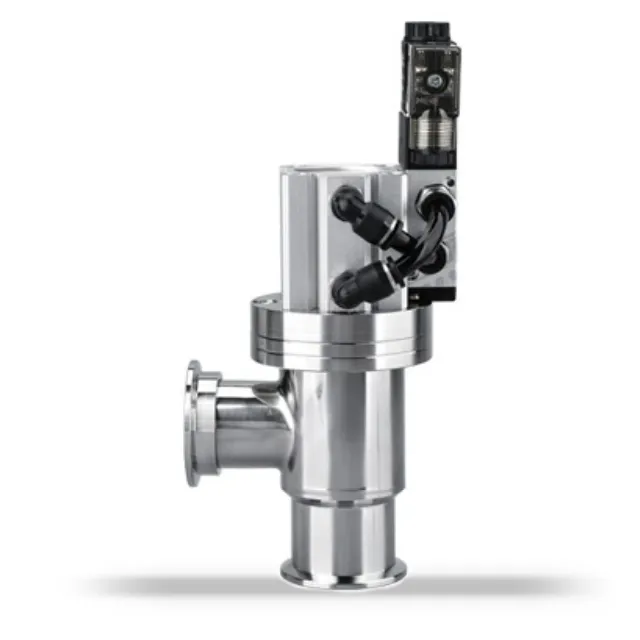
The vacuum and pressure relief valve represents one of the most essential safety mechanisms in industrial operations today. Whether managing extreme pressure conditions, preventing equipment damage, or maintaining system integrity, these valves serve as the frontline defense against catastrophic failures. Understanding why vacuum and pressure relief valve systems have become indispensable helps facility managers, engineers, and operators make informed decisions about system design, maintenance, and upgrades.
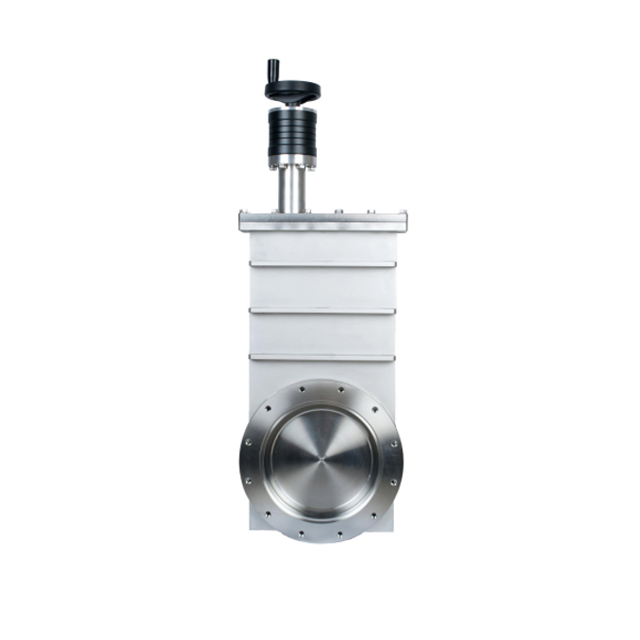
Modern industrial environments operate under increasingly demanding conditions. Pressure vessels, chemical reactors, pipelines, and specialized manufacturing equipment generate extreme operating pressures that, without proper relief mechanisms, can lead to ruptures, leaks, environmental contamination, and personnel injuries. A vacuum and pressure relief valve system operates as a passive safety barrier, automatically responding to unsafe pressure levels without requiring external power or operator intervention. This reliability makes vacuum and pressure relief valve technology a regulatory requirement across most heavy industries.
The Critical Role of Pressure and Vacuum Protection
Preventing Catastrophic Equipment Failure
Pressure vessels and closed systems accumulate stress when internal pressure exceeds design limits. Without a vacuum and pressure relief valve, this buildup creates an environment where rupture becomes inevitable. The vacuum and pressure relief valve functions by opening automatically when pressure reaches a predetermined threshold, releasing excess fluid or gas and preventing catastrophic structural failure. This mechanism protects not only the equipment itself but also surrounding infrastructure and personnel. Industries including petrochemical processing, pharmaceutical manufacturing, food and beverage production, and energy generation all depend on vacuum and pressure relief valve systems to maintain safe operating conditions.
Maintaining Equipment Longevity and Operational Continuity
Beyond safety, a vacuum and pressure relief valve extends equipment lifespan by reducing stress on vessel walls, seals, and connection points. Chronic overpressure creates metal fatigue, accelerating component degradation and forcing expensive maintenance or replacement cycles. By implementing a properly calibrated vacuum and pressure relief valve, operators reduce unnecessary strain and extend the operational window between major maintenance events. This directly impacts production scheduling, reduces unplanned downtime, and improves overall system efficiency. Industries managing critical processes recognize that investing in quality vacuum and pressure relief valve solutions is far more cost-effective than managing equipment failures.
Safety Compliance and Regulatory Requirements
Meeting Industrial and Legal Standards
Most industrial jurisdictions mandate the installation and proper maintenance of a vacuum and pressure relief valve in any pressurized system exceeding specific thresholds. Standards such as ASME Boiler and Pressure Vessel Code, API specifications, and ISO guidelines explicitly require vacuum and pressure relief valve compliance. Regulatory inspections verify that installed vacuum and pressure relief valve systems are correctly calibrated, regularly tested, and maintained according to manufacturer specifications. Failure to meet these requirements results in facility shutdowns, significant fines, and potential liability exposure. Facility managers must prioritize vacuum and pressure relief valve certification and ongoing compliance testing as non-negotiable operational requirements.
Protecting Against Environmental and Personnel Hazards
An improperly maintained or absent vacuum and pressure relief valve creates dual threats: direct equipment rupture risk and secondary hazards from released materials. In chemical or energy industries, uncontrolled discharge of pressurized contents can trigger environmental contamination, toxic vapor release, or explosive conditions. A well-engineered vacuum and pressure relief valve system manages these scenarios by providing controlled, directed relief that can be vented safely or captured for recovery. This protection extends beyond facility boundaries, addressing environmental compliance, community safety, and corporate liability. Modern vacuum and pressure relief valve designs incorporate discharge management features that minimize environmental impact while maximizing safety.
Performance Considerations for Modern Industrial Applications
Selecting the Right Vacuum and Pressure Relief Valve Configuration
Not all vacuum and pressure relief valve solutions serve identical applications. Direct-acting vacuum and pressure relief valve designs work well for smaller systems with moderate flow rates, while pilot-operated variants handle larger volumes and tighter pressure control. The choice depends on system capacity, operational pressure range, temperature extremes, fluid properties, and regulatory requirements. An undersized vacuum and pressure relief valve fails to relieve sufficient volume during peak pressure events, while an oversized unit may chatter or fail to seal properly. Proper engineering of the vacuum and pressure relief valve selection process prevents both underperformance and operational inefficiency, ensuring reliable protection throughout the system lifecycle.
Maintenance and Testing Requirements
A vacuum and pressure relief valve system demands periodic inspection, calibration verification, and functional testing to remain effective. Over time, corrosion, sediment accumulation, or mechanical wear can compromise the vacuum and pressure relief valve's ability to open at its setpoint or seal properly after discharge. Industry best practices recommend annual or semi-annual testing of every vacuum and pressure relief valve, with documentation retained for regulatory audits. This preventive approach ensures that when peak pressure events occur, the vacuum and pressure relief valve responds as designed. Facilities that neglect vacuum and pressure relief valve maintenance face cascading risks including false sense of security, catastrophic failures, and regulatory violations.
FAQ
What makes a vacuum and pressure relief valve different from a simple pressure gauge?
A pressure gauge only measures and displays pressure; it takes no action to control or limit pressure. A vacuum and pressure relief valve is an active safety component that automatically opens to release excess pressure or vacuum when limits are approached. The vacuum and pressure relief valve provides real-time protection, whereas a gauge serves only a monitoring function. This distinction explains why regulatory frameworks require vacuum and pressure relief valve installation independent of pressure monitoring instrumentation.
How often should a vacuum and pressure relief valve be inspected?
Industry standards typically require vacuum and pressure relief valve inspection and testing annually, though high-risk or critical applications may mandate semi-annual or quarterly checks. The vacuum and pressure relief valve must be tested to verify it opens at the correct setpoint and seals properly after discharge. Records of every vacuum and pressure relief valve test must be maintained for regulatory compliance and liability protection. Facilities operating under strict regulatory oversight should consult applicable codes to determine their specific vacuum and pressure relief valve inspection frequency.
Can a single vacuum and pressure relief valve protect multiple pressure vessels?
In some configurations, a shared vacuum and pressure relief valve system can protect multiple interconnected vessels, but this approach requires careful design and engineering. The vacuum and pressure relief valve must be sized to handle the combined volume of all connected systems and positioned to provide adequate flow paths. More commonly, each pressure vessel includes its own dedicated vacuum and pressure relief valve to ensure independent protection and simplify troubleshooting. Consult engineering specifications and regulatory requirements before designing multi-vessel vacuum and pressure relief valve arrangements.