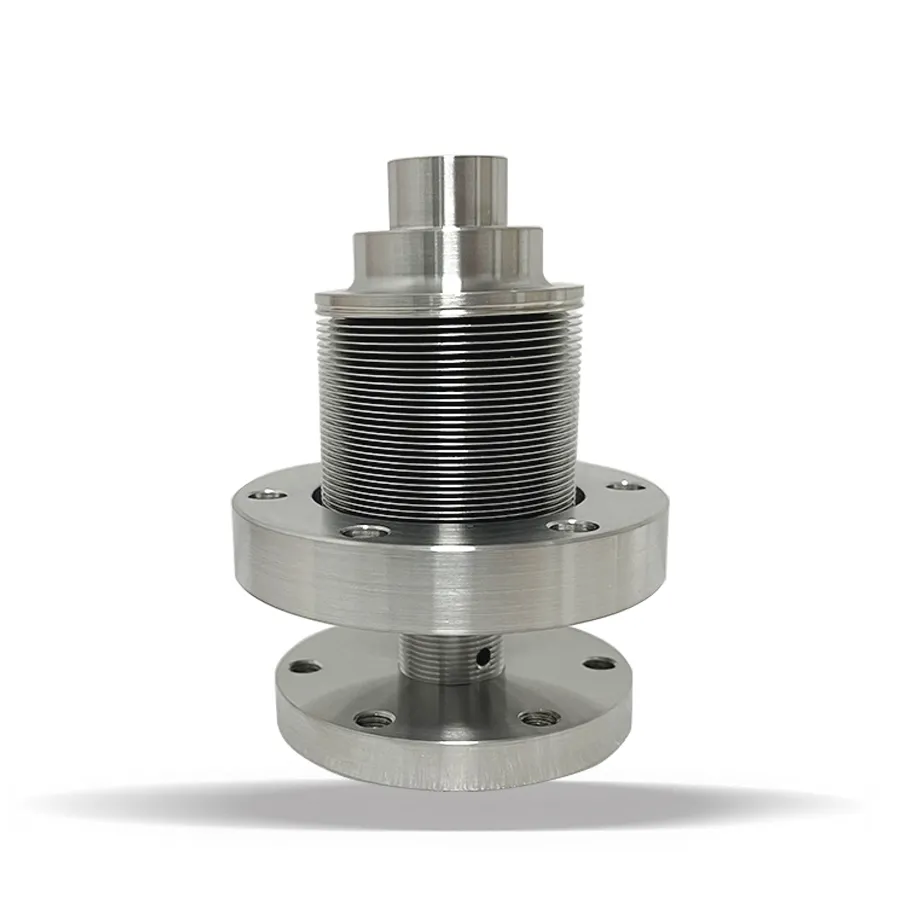
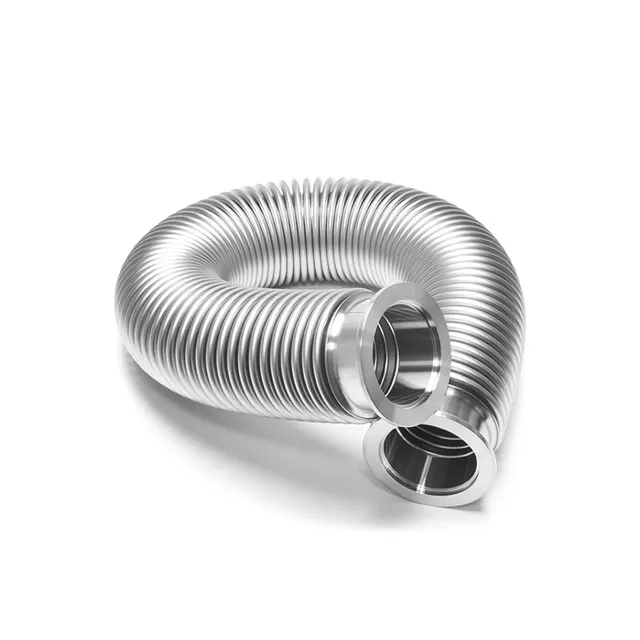
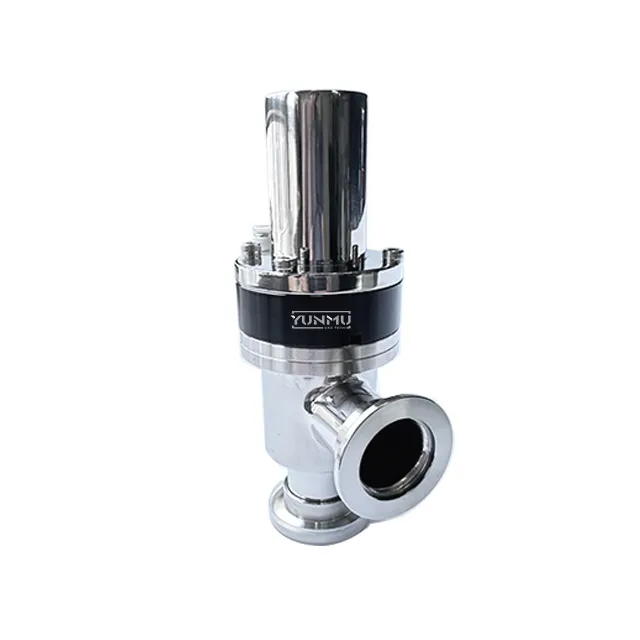
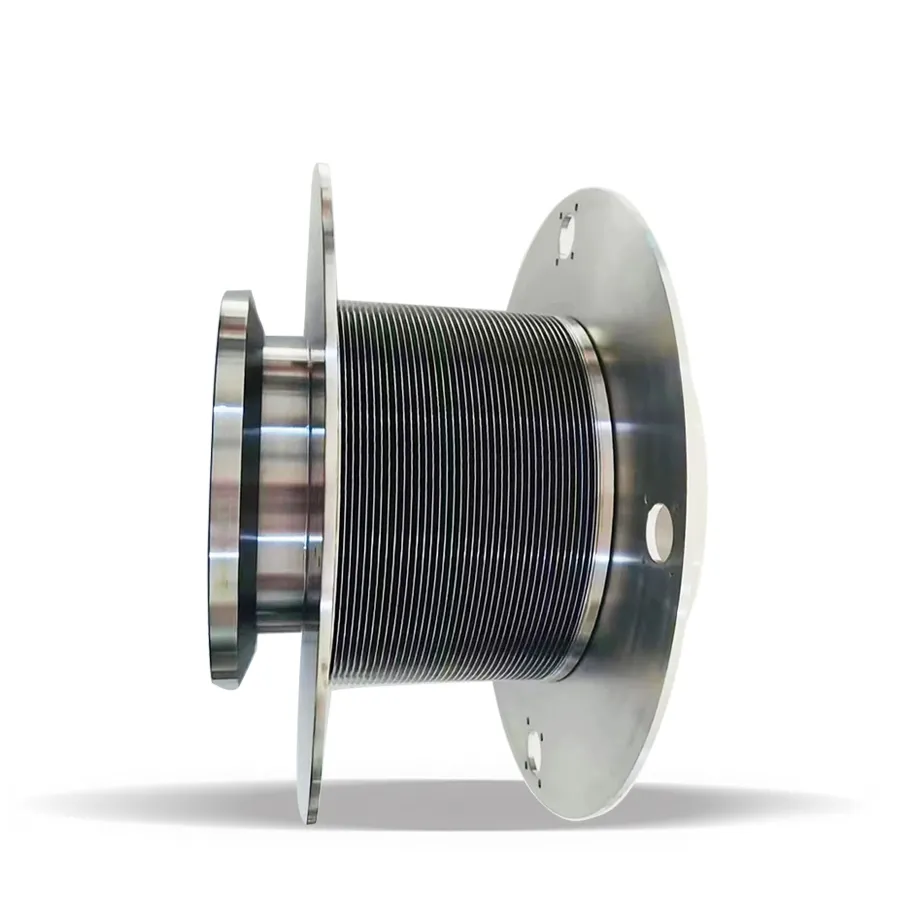
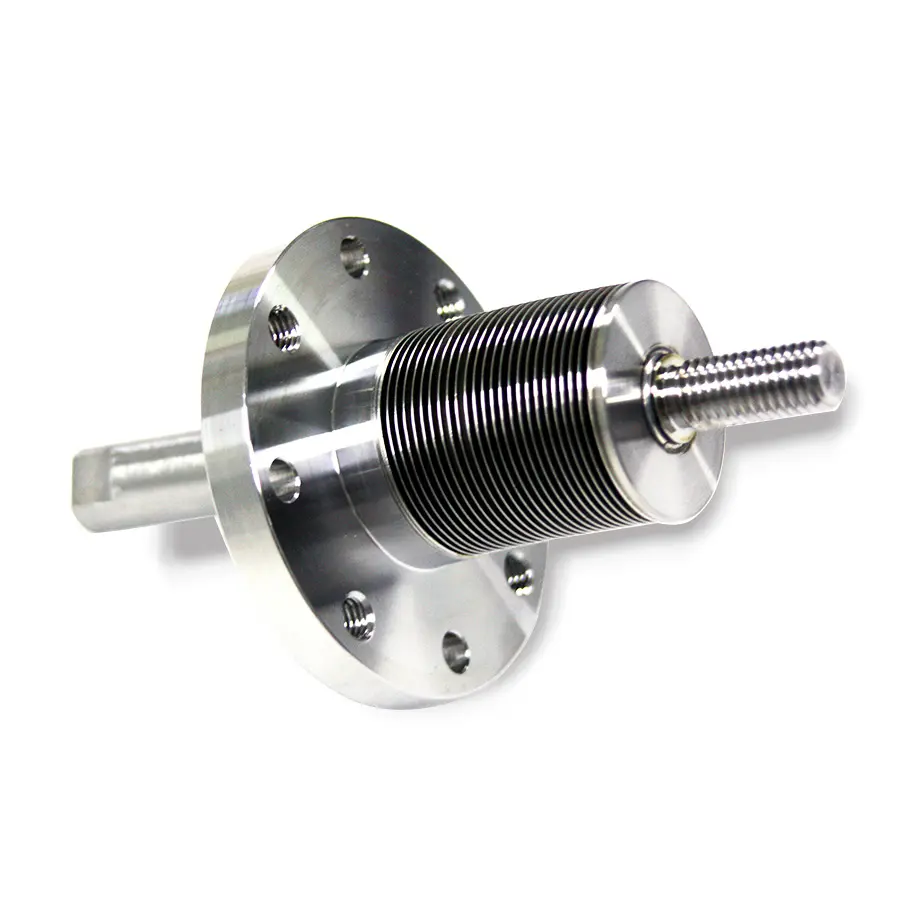
vacuum venting valve
A vacuum venting valve is a specialized component designed to protect pipelines and vessels from negative pressure conditions while maintaining system integrity. This essential safety device automatically opens when internal pressure drops below atmospheric levels, allowing air to enter and prevent vacuum formation that could cause structural damage or system collapse. The vacuum venting valve operates through a precisely calibrated mechanism that responds to pressure differentials, ensuring reliable performance across various industrial applications. Modern vacuum venting valves incorporate advanced sealing technologies and corrosion-resistant materials to deliver long-term durability in demanding environments. These valves feature spring-loaded disc designs or weighted mechanisms that provide accurate opening and closing operations based on predetermined pressure thresholds. The vacuum venting valve serves critical functions in liquid storage tanks, process piping systems, and drainage networks where rapid fluid discharge can create dangerous vacuum conditions. Installation of a vacuum venting valve prevents tank implosion, maintains structural stability, and protects equipment from costly damage. The valve's automatic operation eliminates the need for manual intervention, providing continuous protection during normal operations and emergency situations. Available in multiple sizes and materials including stainless steel, cast iron, and specialized alloys, the vacuum venting valve adapts to diverse industrial requirements. Whether protecting water treatment facilities, chemical processing plants, or petroleum storage installations, this valve ensures safe and efficient system operation by managing pressure variations effectively.
 EN
EN