 EN
EN
Selecting the right supplier for a vacuum chamber is one of the most consequential procurement decisions an industrial buyer can make. Whether you are sourcing for research and development, manufacturing, food processing, or aerospace testing, the quality and reliability of your vacuum chamber directly affects process outcomes, equipment longevity, and operational safety. A poorly chosen supplier can lead to costly rework, delayed timelines, and equipment failures that disrupt entire production lines.
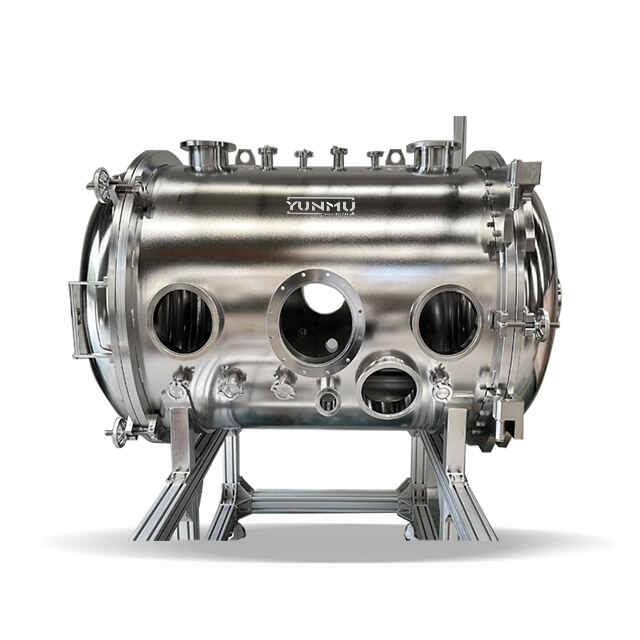
Understanding what separates a capable vacuum chamber supplier from an unreliable one requires more than comparing price lists. Buyers need to evaluate technical competence, material standards, customization capabilities, quality assurance processes, and after-sales support before committing to any supplier relationship. This article walks through the critical factors every buyer should assess when choosing a vacuum chamber supplier, helping you make a well-informed, risk-aware decision.
Understanding Your Vacuum Chamber Requirements First
Defining the Application and Performance Specifications
Before approaching any supplier, buyers must have a clear picture of their own requirements. A vacuum chamber used in semiconductor fabrication operates under entirely different conditions than one used for composite material degassing or altitude simulation testing. The pressure range, internal volume, temperature tolerance, and cycle frequency all vary significantly by application.
Documenting your specifications in advance allows you to evaluate whether a supplier has genuine experience in your specific use case. A supplier who primarily builds vacuum chamber units for food packaging may not have the metallurgical expertise or sealing technology required for high-vacuum scientific applications. Matching supplier capability to your actual requirements is the foundation of a sound procurement decision.
Buyers should also consider whether they need a standard off-the-shelf vacuum chamber or a custom-engineered solution. Custom chambers require suppliers with strong design and engineering teams, not just fabrication capacity. Clarifying this early prevents wasted time evaluating suppliers who cannot meet your technical scope.
Identifying Long-Term Volume and Support Needs
A single vacuum chamber purchase may seem straightforward, but buyers should think beyond the initial order. If your operation is likely to scale, you need a supplier capable of consistent repeat production with matched tolerances and materials. Inconsistency between units in a multi-chamber setup can introduce process variability that is difficult to diagnose and correct.
Consider also the expected service life of the vacuum chamber and what maintenance or replacement parts you will need over time. Suppliers who offer long-term parts availability and technical support provide significantly more value than those who treat each sale as a one-time transaction. Establishing this expectation before signing any agreement protects your operational continuity.
Evaluating Supplier Technical Competence and Manufacturing Standards
Material Selection and Fabrication Expertise
The structural integrity of a vacuum chamber depends heavily on the materials used and the precision of fabrication. Stainless steel grades, aluminum alloys, and specialized coatings each serve different purposes depending on the vacuum level required and the chemical environment inside the chamber. A knowledgeable supplier will be able to explain material choices and justify them based on your application parameters.
Welding quality is particularly critical in vacuum chamber construction. Poor welds introduce micro-leaks that are difficult to detect and can compromise vacuum integrity over time. Ask suppliers about their welding certifications, leak testing protocols, and surface finishing standards. Suppliers with documented welding procedures and certified welders demonstrate a higher level of manufacturing discipline.
Buyers should also inquire about the supplier's machining tolerances for flanges, ports, and feedthroughs. These interface points are where most vacuum chamber leaks originate. Tight tolerances and proper surface finishes at these locations are non-negotiable for reliable vacuum performance.
Design and Engineering Capabilities
A supplier with in-house engineering capability can collaborate with you during the design phase to optimize the vacuum chamber for your specific process. This includes port placement, internal fixture compatibility, viewport positioning, and thermal management features. Suppliers who only fabricate from customer-supplied drawings offer less value than those who can contribute engineering insight.
Ask whether the supplier uses finite element analysis or other simulation tools to validate structural designs before fabrication. For large or high-pressure-differential vacuum chamber applications, structural analysis is essential to ensure safe operation. Suppliers who skip this step may be cutting corners that create safety risks downstream.
Review the supplier's portfolio of completed vacuum chamber projects. Diversity in their project history suggests adaptability, while depth in your specific application area suggests specialized expertise. Both are valuable, but the weighting depends on how standard or unique your requirements are.
Assessing Quality Assurance and Certification Standards
Testing Protocols and Leak Detection Methods
Every vacuum chamber should undergo rigorous testing before delivery. Helium leak testing is the industry standard for high-vacuum applications and provides quantitative data on leak rates. Suppliers who rely only on visual inspection or basic pressure hold tests are not meeting the quality bar required for precision applications.
Ask suppliers to provide test reports with actual measured leak rates for each vacuum chamber unit. This documentation serves as a baseline for future maintenance comparisons and provides accountability for the supplier's quality claims. Suppliers who are reluctant to share test data should be viewed with caution.
Dimensional inspection reports, material certifications, and surface roughness measurements are additional quality documents that reputable suppliers provide as standard deliverables. These records confirm that the vacuum chamber was built to specification and give buyers traceability in the event of a warranty claim or process issue.
Industry Certifications and Compliance
Depending on your industry and geography, your vacuum chamber may need to comply with specific pressure vessel codes, safety standards, or export regulations. Common frameworks include ASME pressure vessel standards, CE marking requirements for European markets, and industry-specific certifications for aerospace or pharmaceutical applications.
Verify that the supplier understands and can comply with the relevant standards for your application. A supplier who is unfamiliar with the certification requirements in your market may deliver a vacuum chamber that cannot be legally operated or that fails third-party inspection. This creates costly delays and potential liability.
ISO 9001 certification is a baseline indicator of a supplier's commitment to quality management systems. While it does not guarantee product quality on its own, it signals that the supplier has documented processes, internal audits, and corrective action procedures in place. Buyers should treat the absence of any quality certification as a risk factor worth investigating further.
Evaluating Customization Capability and Lead Time Reliability
Custom Vacuum Chamber Design and Flexibility
Many industrial applications require a vacuum chamber that does not match any standard catalog offering. Custom port configurations, non-standard dimensions, integrated heating or cooling systems, and specialized internal fixtures are common requirements in advanced manufacturing and research environments. A supplier's ability to accommodate these needs without excessive cost premiums or lead time penalties is a meaningful differentiator.
Evaluate the supplier's design review process for custom vacuum chamber orders. A structured process that includes drawing approval, material confirmation, and milestone sign-offs reduces the risk of misaligned expectations and costly revisions. Suppliers who rush through design review to accelerate production often deliver units that require rework.
Ask for references from customers who have ordered custom vacuum chamber solutions from the supplier. Direct feedback from buyers with similar customization needs provides more reliable insight than any marketing material. A supplier confident in their custom work will readily provide references.
Lead Time Commitments and Production Transparency
Lead time reliability is a critical but often underweighted factor in vacuum chamber procurement. A supplier who consistently delivers on schedule allows you to plan your project timelines with confidence. Chronic delays, on the other hand, cascade into missed commissioning dates, idle labor, and downstream production losses.
Ask suppliers how they manage production scheduling and what their on-time delivery rate is for custom vacuum chamber orders. Suppliers with transparent production tracking and proactive communication about potential delays are far easier to work with than those who only surface problems after deadlines have passed.
Consider also the supplier's capacity relative to your order size. A small fabrication shop may struggle to prioritize your vacuum chamber order during peak periods, while a larger supplier may have dedicated capacity for custom work. Understanding the supplier's production environment helps you set realistic expectations and avoid surprises.
After-Sales Support, Warranty, and Supplier Relationship Value
Warranty Terms and Responsiveness
The warranty offered on a vacuum chamber reflects the supplier's confidence in their own product. A meaningful warranty covers both materials and workmanship for a defined period and includes clear procedures for filing claims and receiving remediation. Vague or heavily qualified warranty language is a warning sign.
Beyond the written warranty, assess the supplier's actual responsiveness when issues arise. Ask how they handle warranty claims, what their average resolution time is, and whether they provide on-site support or only remote troubleshooting. A vacuum chamber failure in a production environment is a time-sensitive problem, and a supplier who is slow to respond adds significant cost to the situation.
Buyers who have experienced post-sale support from a supplier gain a much clearer picture of the true value of that relationship. If possible, speak with existing customers about their experience with the supplier's after-sales service before making a commitment.
Long-Term Partnership Potential
The best vacuum chamber suppliers are not just vendors — they are technical partners who grow with your operation. As your processes evolve, you may need upgraded chambers, additional units, or modifications to existing equipment. A supplier who understands your application history and has invested in the relationship can respond to these needs more efficiently than a new supplier starting from scratch.
Evaluate whether the supplier offers value-added services such as installation support, operator training, preventive maintenance programs, or process consultation. These services extend the useful life of your vacuum chamber investment and reduce the burden on your internal technical team.
Pricing transparency and fair commercial terms are also indicators of a supplier who values long-term relationships over short-term margin. Suppliers who are willing to discuss pricing structures, volume discounts, and contract terms openly are generally more trustworthy partners than those who are evasive about commercial details.
FAQ
What is the most important factor when choosing a vacuum chamber supplier?
Technical competence matched to your specific application is the most important factor. A supplier may have excellent general fabrication skills but lack the specialized knowledge required for your vacuum level, material compatibility, or certification requirements. Always verify that the supplier has direct experience with applications similar to yours before proceeding.
How do I verify the quality of a vacuum chamber before accepting delivery?
Request a full set of quality documentation including helium leak test reports, dimensional inspection records, material certifications, and surface finish measurements. For critical applications, consider arranging a factory acceptance test where your team or a third-party inspector witnesses the testing process before the vacuum chamber is shipped.
Can a vacuum chamber be customized after it has been manufactured?
Minor modifications such as adding ports or changing fittings are sometimes possible after manufacture, but significant structural changes are generally not practical or cost-effective. It is far better to define all requirements thoroughly during the design phase. Discuss your future needs with the supplier upfront so that provisions for future modifications can be incorporated into the original design.
What lead time should I expect for a custom vacuum chamber order?
Lead times for custom vacuum chamber orders vary widely depending on complexity, size, and the supplier's current workload. Simple custom chambers may be completed in four to eight weeks, while complex multi-port or large-format chambers can take three to six months or longer. Always confirm lead time commitments in writing and build buffer time into your project schedule to account for potential delays.
Table of Contents
- Understanding Your Vacuum Chamber Requirements First
- Evaluating Supplier Technical Competence and Manufacturing Standards
- Assessing Quality Assurance and Certification Standards
- Evaluating Customization Capability and Lead Time Reliability
- After-Sales Support, Warranty, and Supplier Relationship Value
- FAQ