 EN
EN

In industrial manufacturing and research environments, the vacuum chamber is far more than a sealed metal enclosure. It is a precisely engineered system whose design directly determines whether a process succeeds or fails. From semiconductor fabrication to aerospace component testing, the internal geometry, material selection, sealing mechanisms, and pressure management of a vacuum chamber all play critical roles in achieving consistent, repeatable results. Understanding why design matters is the first step toward making informed decisions about the equipment your operation depends on.
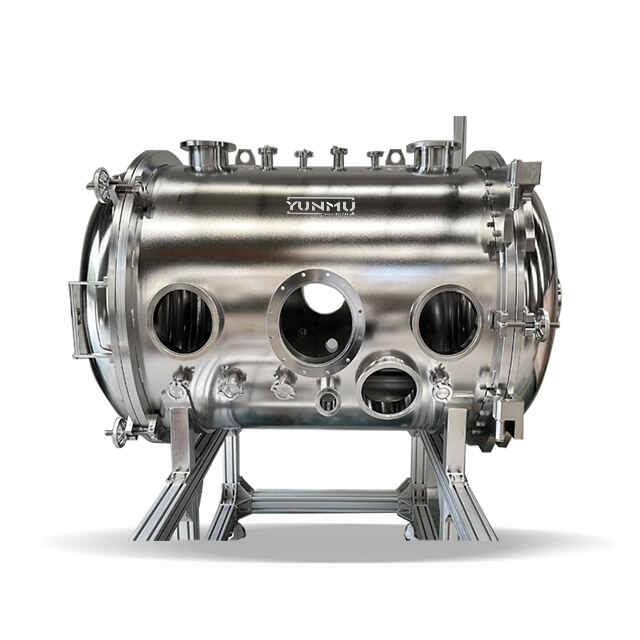
The design of a vacuum chamber is not a one-size-fits-all proposition. Industrial applications vary enormously in terms of required vacuum levels, operating temperatures, chemical exposure, load-bearing demands, and cycle frequency. A vacuum chamber designed for composite curing behaves very differently from one built for electron beam welding or thin-film deposition. Each application imposes unique structural and functional requirements, and a design that ignores those requirements will compromise process quality, increase maintenance costs, and shorten equipment lifespan. This article explores the core reasons why vacuum chamber design is so consequential in industrial settings.
The Relationship Between Structural Integrity and Process Reliability
Why Wall Thickness and Geometry Matter
A vacuum chamber operates under significant differential pressure. When the interior is evacuated, atmospheric pressure exerts force on every external surface. If the chamber walls are too thin or the geometry is poorly chosen, the structure can deform, buckle, or fail entirely. This is not a theoretical risk — it is a documented cause of process interruption and equipment damage in industrial facilities. Proper wall thickness calculations, based on material yield strength and the target vacuum level, are fundamental to safe and reliable operation.
Cylindrical and spherical geometries distribute stress more evenly than flat-walled rectangular designs, which is why many high-vacuum chambers favor rounded profiles. However, rectangular vacuum chamber designs are often preferred when internal access, fixturing, or component layout demands a specific form factor. In those cases, reinforcing ribs, flanged edges, and carefully calculated corner radii compensate for the geometric disadvantage. The design must balance structural performance with operational practicality.
Material selection is equally important. Stainless steel grades such as 304 and 316L are widely used because they offer good strength, low outgassing rates, and resistance to corrosion. Aluminum alloys are chosen when weight reduction is a priority, though they require careful surface treatment to minimize outgassing. The wrong material choice in a vacuum chamber can introduce contaminants that degrade process quality or cause premature corrosion that compromises structural integrity over time.
Sealing Systems and Leak Prevention
Even a structurally sound vacuum chamber will fail its purpose if the sealing system is inadequate. Every port, viewport, feedthrough, and access door represents a potential leak path. In high-vacuum and ultra-high-vacuum applications, even microscopic leaks can prevent the system from reaching the required pressure level or introduce contaminants that ruin sensitive processes. The design of flanges, gasket grooves, and mating surfaces must meet tight tolerances to ensure reliable sealing.
Elastomeric O-ring seals are common in rough and medium vacuum applications because they are cost-effective and easy to replace. For high-vacuum environments, metal gasket seals — such as copper or aluminum knife-edge flanges — provide the leak-tightness required. The choice of sealing technology must be built into the vacuum chamber design from the outset, because retrofitting a different seal type often requires machining new flange faces or replacing entire assemblies. Getting this right at the design stage avoids expensive modifications later.
Thermal cycling also affects seal performance. In applications where the vacuum chamber is repeatedly heated and cooled, differential thermal expansion between the chamber body and the seal material can cause leaks to develop over time. Designers must account for these thermal effects by selecting compatible materials and incorporating features that maintain consistent sealing force across the operating temperature range.
How Design Influences Vacuum Performance and Pump-Down Efficiency
Internal Surface Finish and Outgassing Control
One of the most underappreciated aspects of vacuum chamber design is the treatment of internal surfaces. All materials release trapped gases when exposed to vacuum — a phenomenon known as outgassing. If the internal surface area is large, rough, or contaminated, outgassing rates will be high, making it difficult or impossible to reach and maintain the target vacuum level. A well-designed vacuum chamber minimizes internal surface area, specifies appropriate surface finishes, and may incorporate baking provisions to accelerate outgassing before critical processes begin.
Electropolishing stainless steel internal surfaces reduces surface roughness and removes embedded contaminants, significantly lowering outgassing rates. This treatment is standard practice in semiconductor and research-grade vacuum chamber fabrication. For less demanding applications, a mechanically polished or passivated surface may be sufficient. The design specification must match the surface treatment requirement to the actual vacuum level and cleanliness standard the process demands.
Internal features such as brackets, shelves, and feedthrough supports also contribute to outgassing if they are made from inappropriate materials or have poorly finished surfaces. A vacuum chamber designed with process cleanliness in mind will minimize unnecessary internal hardware, use low-outgassing materials throughout, and avoid blind holes or crevices where gas can become trapped and slowly released during operation.
Port Placement and Pumping System Integration
The location and sizing of pump ports on a vacuum chamber have a direct impact on how quickly and uniformly the chamber can be evacuated. A pump port that is too small creates a conductance bottleneck, limiting the effective pumping speed regardless of how powerful the vacuum pump is. Ports placed in locations that create long, narrow flow paths to the chamber interior will similarly reduce pumping efficiency. Good design positions pump ports to maximize conductance and minimize the time required to reach operating pressure.
In large vacuum chamber systems, multiple pump ports may be needed to achieve uniform pressure distribution across the working volume. This is particularly important in processes where pressure gradients within the chamber would cause non-uniform results — such as in chemical vapor deposition or plasma treatment. The design must consider not just the pump connection but the entire gas flow path from the chamber interior to the pump inlet.
Vent ports, gas inlet ports, and instrumentation ports must also be positioned thoughtfully. A vacuum chamber that is difficult to vent safely, or that introduces backstreaming contamination from a poorly placed gas inlet, will create operational problems that no amount of process optimization can fully overcome. Integrated design thinking — treating the vacuum chamber as part of a complete process system rather than an isolated vessel — is what separates high-performing industrial equipment from mediocre alternatives.
Design Considerations for Specific Industrial Applications
Thermal and Chemical Compatibility Requirements
Different industrial processes impose very different environmental conditions inside a vacuum chamber. Heat treatment applications may require the chamber to withstand temperatures exceeding 1000 degrees Celsius, demanding refractory metal liners, high-temperature seals, and carefully designed thermal shielding. Chemical vapor deposition processes may expose the chamber interior to corrosive precursor gases, requiring specialized coatings or material choices that resist chemical attack without introducing contamination.
A vacuum chamber used for plasma processing must be designed to handle the erosive effects of energetic ions and reactive radicals. Chamber walls in these applications are often lined with replaceable ceramic or anodized aluminum panels that protect the structural body from wear and contamination. The design must make these liners accessible for replacement without requiring complete disassembly of the vacuum chamber, which would otherwise create unacceptable downtime.
Cryogenic applications present yet another set of design challenges. A vacuum chamber used as a cryostat or in cryopump systems must manage extreme temperature gradients, prevent condensation on critical surfaces, and maintain structural integrity at temperatures approaching absolute zero. Materials that are ductile at room temperature may become brittle at cryogenic temperatures, making material selection a safety-critical design decision in these contexts.
Access, Maintenance, and Operational Ergonomics
Industrial vacuum chamber systems are not laboratory curiosities — they are production tools that must be loaded, unloaded, cleaned, and maintained on a regular schedule. A vacuum chamber whose design makes these tasks difficult or time-consuming will impose hidden costs on the operation in the form of extended cycle times, increased labor, and higher risk of damage to components or sealing surfaces during routine maintenance.
Door design is a particularly important ergonomic consideration. Large vacuum chamber doors must be easy to open and close, must seal reliably every cycle, and must not require excessive force or specialized tools to operate. Hinged doors, sliding doors, and removable lids each have advantages and disadvantages depending on the chamber size, orientation, and the nature of the work being loaded. The design must match the operational workflow of the specific application.
Viewport placement, interior lighting provisions, and the routing of electrical and fluid feedthroughs all affect how easily operators can monitor and interact with processes inside the vacuum chamber. A design that treats these human factors as secondary considerations will create frustration and inefficiency in daily operation. The best industrial vacuum chamber designs integrate operational ergonomics from the earliest stages of the design process, not as an afterthought.
Long-Term Cost Implications of Vacuum Chamber Design Quality
Maintenance Frequency and Component Longevity
The upfront cost of a vacuum chamber is only one part of the total cost of ownership. A poorly designed vacuum chamber may be cheaper to purchase initially but will generate higher costs over its service life through frequent seal replacements, pump maintenance caused by contamination, unplanned downtime for leak repairs, and eventual structural refurbishment. These ongoing costs can easily exceed the price difference between a well-designed and a poorly designed system within the first few years of operation.
High-quality vacuum chamber design reduces maintenance frequency by using durable materials, providing easy access to wear components, and minimizing the number of potential failure points. When maintenance is required, a well-designed system allows seals, viewports, and feedthroughs to be replaced quickly without disturbing the rest of the assembly. This design philosophy directly translates into higher equipment availability and lower total operating cost.
The longevity of the vacuum chamber itself is also a design outcome. A chamber that is correctly sized for its application, built from appropriate materials, and protected against the specific chemical and thermal stresses of its operating environment will remain serviceable for decades. One that is undersized, built from marginally suitable materials, or exposed to conditions it was not designed for will degrade rapidly and require costly replacement or refurbishment.
Process Yield and Quality Consistency
In manufacturing applications, the vacuum chamber is often a critical process tool whose performance directly affects product quality and yield. A vacuum chamber that cannot consistently reach and maintain the required pressure level will produce variable results — parts that fail quality inspection, coatings that do not meet specification, or assemblies that fail in service. The cost of these quality failures, including scrap, rework, warranty claims, and reputational damage, can be enormous compared to the cost of investing in better vacuum chamber design from the start.
Uniformity within the vacuum chamber working volume is another design-driven quality factor. In processes such as thin-film deposition or heat treatment, temperature and pressure gradients across the working volume translate directly into non-uniform results across the batch. A vacuum chamber designed with appropriate internal geometry, heating element placement, and gas flow management will produce more uniform results than one where these factors were not carefully considered.
For industries operating under quality management systems or regulatory frameworks — such as aerospace, medical device manufacturing, or semiconductor production — the performance of the vacuum chamber must be documented, validated, and maintained within defined parameters. A well-designed vacuum chamber supports this validation process by providing stable, repeatable performance that can be characterized and controlled. A poorly designed one creates variability that is difficult to explain, control, or defend in an audit.
FAQ
What makes a vacuum chamber suitable for high-vacuum applications?
A vacuum chamber suitable for high-vacuum use must have low outgassing internal surfaces, metal gasket sealing systems, high-conductance pump ports, and structural integrity sufficient to withstand full atmospheric pressure differential without deformation. Material selection, surface finish, and the elimination of virtual leaks from blind holes or trapped volumes are all critical design requirements at this performance level.
How does vacuum chamber design affect process contamination risk?
Poor vacuum chamber design can introduce contamination through outgassing from internal materials, backstreaming from improperly positioned pump ports, or chemical reactions between process gases and chamber surfaces. A well-designed vacuum chamber minimizes these risks by specifying low-outgassing materials, appropriate surface treatments, and port configurations that prevent contamination pathways from developing during normal operation.
Can a standard vacuum chamber be modified for a specialized application?
Standard vacuum chamber designs can sometimes be adapted for specialized applications through the addition of ports, feedthroughs, heating elements, or internal fixtures. However, significant modifications — such as changing the sealing system, adding high-temperature capability, or increasing the working volume — often require engineering analysis to ensure the modified chamber still meets structural and performance requirements. In many cases, a purpose-designed vacuum chamber is more cost-effective than extensive modification of a standard unit.
What role does vacuum chamber design play in energy efficiency?
A well-designed vacuum chamber reaches operating pressure faster and maintains it with less pump effort than a poorly designed one, directly reducing energy consumption per process cycle. Features such as optimized pump port sizing, low-outgassing surfaces, and effective thermal insulation all contribute to energy efficiency. In high-volume production environments, these efficiency gains accumulate into meaningful reductions in operating cost over the life of the equipment.