 EN
EN

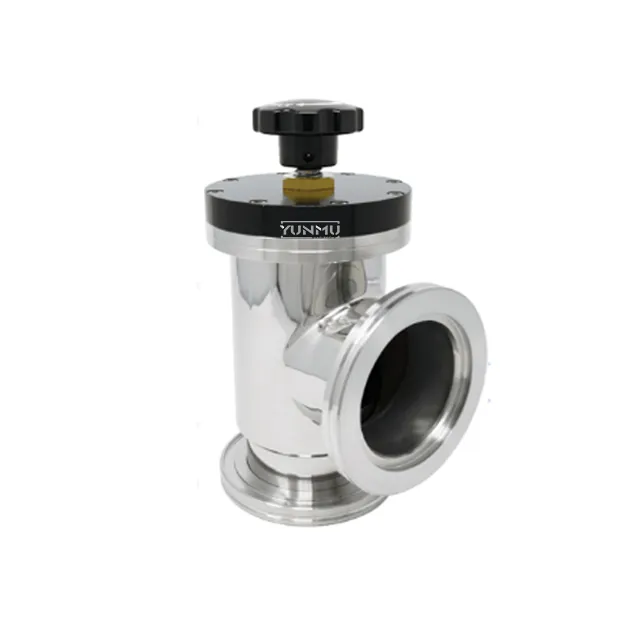
In high-demand industrial environments, the integrity of a vacuum or fluid system depends heavily on the quality and precision of its connection points. The iso flange has emerged as one of the most reliable standardized connection solutions across a wide range of industries, from semiconductor manufacturing to chemical processing and scientific research. When sealing performance is compromised, the consequences can range from minor efficiency losses to catastrophic system failures, making the choice of flange system a critical engineering decision.
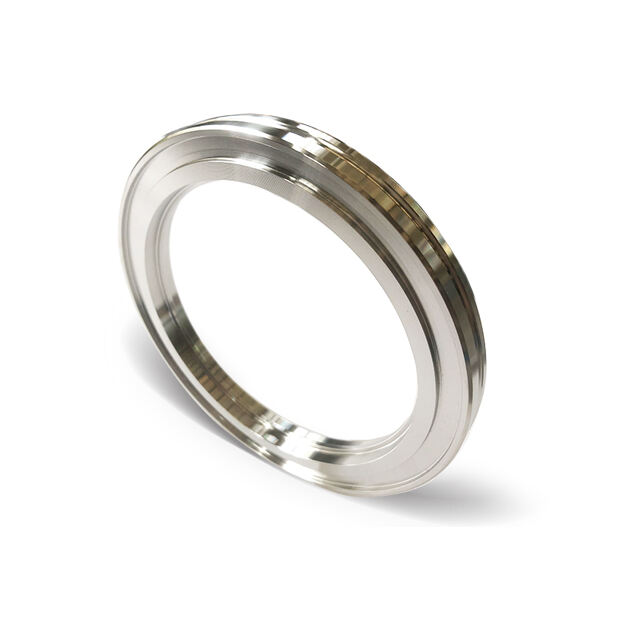
Understanding how an iso flange system contributes to improved sealing performance requires a closer look at its design principles, material characteristics, and the operational contexts in which it excels. This article explores the specific mechanisms through which iso flange systems enhance sealing reliability, reduce leakage risk, and support long-term system performance in demanding industrial applications. Whether you are designing a new vacuum system or evaluating upgrades to an existing installation, the insights here will help you make more informed decisions about your sealing infrastructure.
The Engineering Foundation of ISO Flange Sealing
Standardized Geometry and Its Role in Sealing Consistency
One of the most significant advantages of the iso flange system is its adherence to internationally recognized dimensional standards. These standards define precise tolerances for bore diameter, flange face geometry, bolt hole patterns, and sealing surface finish. When every component in a system conforms to the same specification, the mating surfaces align correctly every time, eliminating the variability that leads to uneven compression and seal failure.
Consistent geometry means that the elastomeric or metallic sealing element seated within the iso flange groove experiences uniform compression across its entire circumference. This uniform compression is the foundation of a reliable seal. In contrast, non-standardized or poorly machined flanges create localized high-pressure and low-pressure zones around the seal, which accelerates wear and increases the probability of leakage over time.
The standardized approach also simplifies maintenance and replacement cycles. Technicians working with an iso flange system can source compatible components from multiple qualified suppliers without concern for dimensional incompatibility, reducing downtime and ensuring that sealing performance is maintained throughout the service life of the system.
Surface Finish Quality and Seal Compression Dynamics
The sealing face of an iso flange is machined to a specific surface roughness that optimizes the interaction between the metal surface and the sealing element. A surface that is too rough will damage soft seals during installation and create micro-channels through which gases or fluids can migrate. A surface that is too smooth may not provide sufficient mechanical grip to hold the seal in position under dynamic pressure conditions.
Properly finished iso flange faces achieve the ideal balance, allowing the seal to deform slightly under clamping load and conform to the surface without being cut or extruded. This controlled deformation is what creates the hermetic barrier that defines high-performance sealing. In vacuum applications, where even trace leakage can compromise process integrity, this level of surface control is not optional — it is essential.
Engineers specifying an iso flange for critical applications should verify that the sealing face finish meets the relevant ISO standard requirements and that the finish is maintained during handling and storage. Scratches, contamination, or corrosion on the sealing face can negate the benefits of an otherwise well-designed flange system.
How ISO Flange Design Addresses Common Sealing Failure Modes
Preventing Leakage Through Controlled Clamping Force
Leakage in flange connections most commonly results from insufficient or uneven clamping force. The iso flange system addresses this through a well-defined bolt pattern and specified torque values that distribute clamping load evenly around the flange circumference. When technicians follow the correct torque sequence and values, the sealing element is compressed to its optimal working thickness, creating a seal that resists both internal pressure and external contamination ingress.
The centering ring used in many iso flange configurations plays a particularly important role in this process. It positions the O-ring seal precisely within the groove and prevents it from being displaced during assembly. This centering function ensures that the seal is always in the correct location relative to the sealing faces, regardless of operator technique or assembly speed.
In systems subject to thermal cycling, vibration, or pressure fluctuations, the iso flange clamping system also provides sufficient residual clamping force to maintain seal integrity as operating conditions change. This resilience is a key reason why iso flange connections are preferred in applications where process conditions are not constant.
Minimizing Permeation and Outgassing in Vacuum Systems
In vacuum technology, sealing performance is measured not only by the absence of gross leakage but also by the rate at which gases permeate through or outgas from sealing materials. The iso flange system supports high vacuum performance by accommodating a range of seal materials, including fluoroelastomers and perfluoroelastomers, which exhibit very low permeation rates and minimal outgassing under vacuum conditions.
The groove geometry of the iso flange is designed to accept these high-performance seal materials at the correct compression ratio, ensuring that the seal functions as intended without over-compression that could accelerate material degradation. This compatibility between flange geometry and seal material selection is a critical factor in achieving and maintaining the vacuum levels required by sensitive processes.
For ultra-high vacuum applications, metal seals can also be used with appropriately specified iso flange components. The precision of the iso flange sealing face and the controlled clamping geometry make it possible to achieve the very high contact pressures needed to deform metal seals without damaging the flange body itself, extending the range of applications where this connection standard can be applied.
Material Selection and Its Impact on ISO Flange Sealing Performance
Flange Body Materials for Corrosive and High-Purity Environments
The material from which an iso flange body is manufactured directly affects its ability to maintain sealing performance over time. Stainless steel is the most widely used material for iso flange components in industrial and scientific applications because of its combination of mechanical strength, corrosion resistance, and surface finish capability. The low surface energy of passivated stainless steel also reduces the tendency for process contaminants to adhere to internal surfaces, supporting cleanliness requirements in semiconductor and pharmaceutical applications.
In environments where aggressive chemicals are present, the iso flange body material must be selected to resist the specific corrosive agents involved. Austenitic stainless steel grades offer good resistance to a broad range of chemicals, but highly oxidizing or halide-rich environments may require alternative alloys. The key point is that the iso flange standard accommodates a range of body materials while maintaining the dimensional consistency that ensures sealing performance.
Aluminum iso flange components are also available for applications where weight reduction is a priority, such as in portable vacuum systems or aerospace-related equipment. While aluminum offers lower corrosion resistance than stainless steel in some environments, its lighter weight and good machinability make it a practical choice when the operating conditions are compatible with its material properties.
Seal Material Compatibility and Long-Term Sealing Reliability
The sealing element used with an iso flange must be chemically compatible with the process media, thermally stable across the operating temperature range, and mechanically suited to the compression and recovery demands of the application. Nitrile rubber seals are commonly used in general-purpose applications due to their cost-effectiveness and adequate performance across a moderate range of conditions. However, for more demanding environments, fluoroelastomer seals offer significantly better chemical resistance and thermal stability.
Selecting the correct seal material for an iso flange installation is not merely a matter of chemical compatibility. The compression set behavior of the seal material — its tendency to permanently deform under sustained compression — determines how long the seal will maintain adequate contact pressure against the flange faces. Materials with low compression set values retain their sealing force over longer service intervals, reducing the frequency of maintenance interventions.
Temperature cycling is another factor that affects seal material performance in iso flange systems. As the flange body and seal material expand and contract at different rates during thermal cycling, the contact pressure at the sealing interface changes. Seal materials with good elastic recovery characteristics compensate for these dimensional changes and maintain sealing integrity across a wider range of operating temperatures.
Practical Applications Where ISO Flange Systems Deliver Measurable Sealing Improvements
Vacuum Process Equipment in Semiconductor Manufacturing
Semiconductor fabrication processes operate under precisely controlled vacuum conditions, and any degradation in sealing performance can introduce contamination that ruins entire production batches. The iso flange system is widely used in this industry because its standardized dimensions and high-quality sealing surfaces support the consistent, repeatable connections required by automated assembly and maintenance procedures.
In deposition, etching, and ion implantation equipment, iso flange connections must maintain their sealing integrity through thousands of thermal cycles and exposure to reactive process gases. The combination of high-quality flange body materials, precision sealing surfaces, and compatible seal materials makes the iso flange the connection standard of choice for these demanding applications.
The ability to quickly disassemble and reassemble iso flange connections without specialized tools also supports the rapid maintenance cycles required in high-volume semiconductor manufacturing environments. Reduced maintenance time translates directly into higher equipment availability and lower cost of ownership, making the sealing performance benefits of the iso flange system economically significant as well as technically important.
Industrial Vacuum Systems in Research and Analytical Instrumentation
Research laboratories and analytical instrument manufacturers rely on iso flange connections to build vacuum systems that must achieve and maintain precise pressure levels over extended periods. In mass spectrometers, electron microscopes, and surface analysis instruments, the vacuum environment is fundamental to measurement accuracy, and any leakage through flange connections introduces background gases that interfere with results.
The iso flange system supports these applications by providing a connection standard that is both highly reliable and easily reconfigurable. Researchers frequently need to modify their vacuum systems to accommodate new experiments or instrument configurations, and the standardized dimensions of the iso flange make it straightforward to add, remove, or reposition components without compromising overall system sealing performance.
For analytical instruments that must operate continuously for extended periods, the long-term sealing reliability of iso flange connections reduces the frequency of maintenance interventions that would otherwise interrupt measurements. This operational continuity is a direct benefit of the sealing performance characteristics built into the iso flange design.
Installation and Maintenance Practices That Maximize ISO Flange Sealing Performance
Correct Assembly Procedures for Optimal Seal Compression
Even the highest-quality iso flange components will not deliver their full sealing potential if they are assembled incorrectly. The most common assembly errors include over-tightening bolts, which can extrude or damage the seal, and under-tightening, which leaves insufficient contact pressure to create a reliable seal. Following the manufacturer's specified torque values and tightening sequence is essential for achieving the correct seal compression.
Cleanliness during assembly is equally important. Contamination on the sealing face or the seal itself can create leak paths that are difficult to diagnose and eliminate. Technicians should inspect all sealing surfaces before assembly, clean them with appropriate solvents if necessary, and handle seals with clean gloves to prevent contamination from skin oils and particles.
The iso flange centering ring should be inspected before each assembly to ensure that it is undamaged and that the O-ring it carries is in good condition. Replacing the O-ring at each disassembly is a best practice in critical applications, as even seals that appear undamaged may have experienced compression set that reduces their sealing effectiveness in subsequent service.
Inspection and Replacement Intervals for Sustained Sealing Integrity
Maintaining the sealing performance of an iso flange system over its service life requires a structured inspection and maintenance program. Sealing surfaces should be inspected periodically for signs of corrosion, mechanical damage, or contamination buildup that could compromise seal contact. Any damage to the sealing face should be addressed promptly, as even minor surface defects can create leak paths that worsen over time.
Seal replacement intervals should be based on the operating conditions of the specific application rather than on a fixed calendar schedule. In high-temperature or chemically aggressive environments, seals may need to be replaced more frequently than in moderate-duty applications. Tracking system performance metrics such as leak rate or pump-down time can provide early warning of seal degradation before it reaches a level that affects process performance.
Bolt condition should also be included in the maintenance program for iso flange systems. Bolts that have been repeatedly torqued and released can experience fatigue or thread damage that reduces their ability to maintain the specified clamping force. Replacing bolts at defined intervals is a low-cost measure that protects the much more significant investment in the flange system and the process equipment it supports.
FAQ
What makes an iso flange more effective for sealing than non-standardized flange connections?
The iso flange achieves superior sealing performance through its precisely defined dimensional tolerances, controlled sealing face finish, and standardized groove geometry. These features ensure consistent seal compression, correct seal positioning, and reliable mating surface alignment every time the connection is assembled. Non-standardized flanges lack these controls, leading to variable sealing performance and higher risk of leakage.
Can an iso flange be used in both vacuum and pressure applications?
Yes, the iso flange is designed to perform reliably in both vacuum and positive pressure applications, though the specific configuration and seal material selection should be matched to the operating conditions. For vacuum service, low-outgassing seal materials are preferred, while pressure applications may require seals with higher pressure ratings. The flange body and clamping hardware should also be rated for the maximum operating pressure of the system.
How does seal material selection affect the long-term sealing performance of an iso flange system?
Seal material selection is one of the most important factors in determining the long-term sealing performance of an iso flange installation. Materials with low compression set, good chemical resistance to the process media, and thermal stability across the operating temperature range will maintain adequate contact pressure and sealing integrity over longer service intervals. Selecting an inappropriate seal material can lead to premature seal failure, increased maintenance frequency, and compromised process performance.
What are the most common causes of sealing failure in iso flange systems?
The most common causes of sealing failure in iso flange systems include incorrect assembly torque, contaminated or damaged sealing surfaces, incompatible or degraded seal materials, and inadequate maintenance practices. Thermal cycling and vibration can also contribute to seal degradation over time if the seal material does not have sufficient elastic recovery to compensate for dimensional changes. A structured maintenance program that addresses all of these factors is the most effective way to sustain iso flange sealing performance throughout the service life of the system.
Table of Contents
- The Engineering Foundation of ISO Flange Sealing
- How ISO Flange Design Addresses Common Sealing Failure Modes
- Material Selection and Its Impact on ISO Flange Sealing Performance
- Practical Applications Where ISO Flange Systems Deliver Measurable Sealing Improvements
- Installation and Maintenance Practices That Maximize ISO Flange Sealing Performance
-
FAQ
- What makes an iso flange more effective for sealing than non-standardized flange connections?
- Can an iso flange be used in both vacuum and pressure applications?
- How does seal material selection affect the long-term sealing performance of an iso flange system?
- What are the most common causes of sealing failure in iso flange systems?