 EN
EN
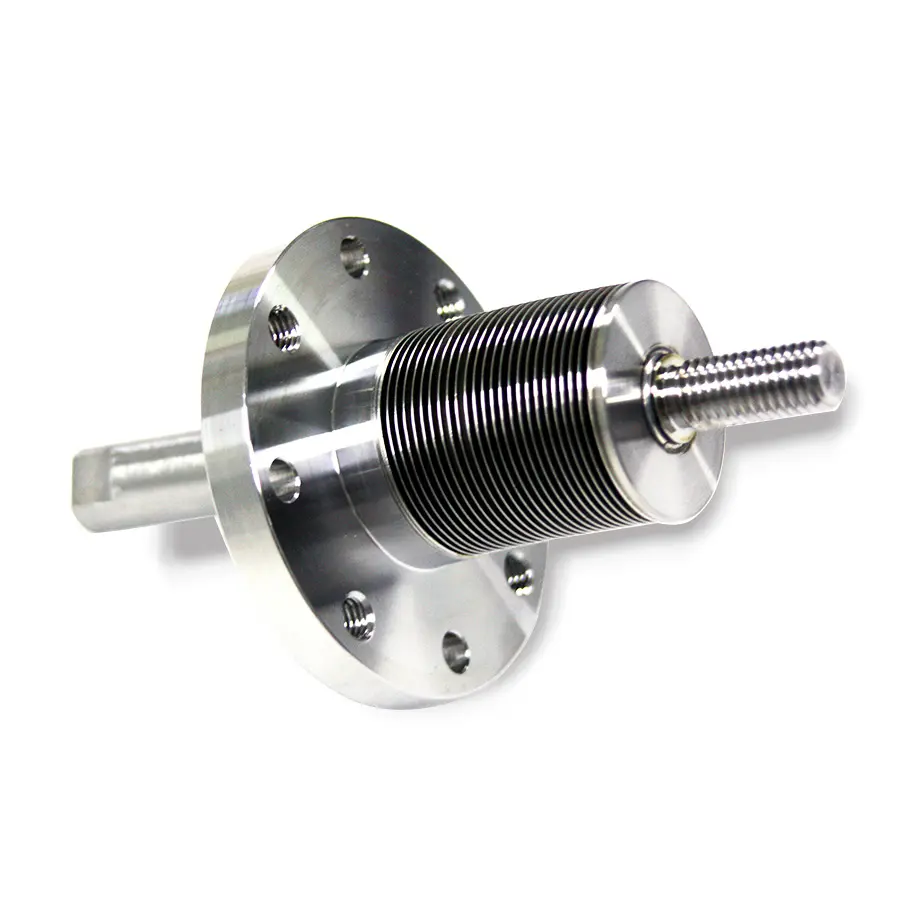
In precision automation, the margin for error is measured in microns, and the environments in which sensitive processes occur must be controlled with exceptional care. custom vacuum systems have become a foundational element in this landscape, enabling engineers and manufacturers to create the exact conditions required for repeatable, high-accuracy operations. Whether the application involves semiconductor fabrication, optical coating, medical device assembly, or advanced robotics, the ability to tailor a vacuum environment to specific process demands is not a luxury — it is a technical necessity.
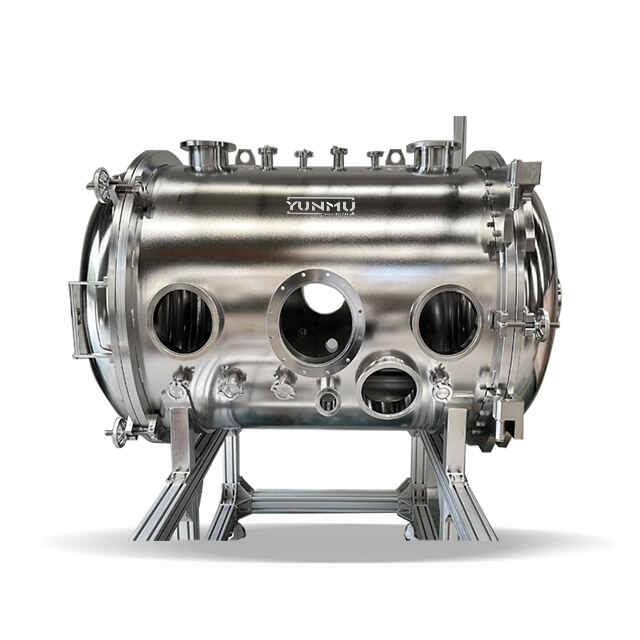
The growing complexity of modern automated production lines has made it increasingly clear that off-the-shelf vacuum solutions often fall short. Standard systems are designed around generalized parameters, but precision automation demands specificity. Custom vacuum systems address this gap by aligning chamber geometry, pumping capacity, pressure range, material compatibility, and integration interfaces directly with the requirements of the process they serve. Understanding why this matters requires a closer look at how vacuum conditions influence automation outcomes and why customization is the key to unlocking consistent, high-performance results.
The Role of Vacuum Conditions in Precision Automation
How Vacuum Environments Enable Process Accuracy
Precision automation relies on eliminating variables that could introduce inconsistency into a process. Atmospheric contaminants — including oxygen, moisture, and particulate matter — can interfere with bonding, coating, etching, and assembly operations at the microscopic level. By creating a controlled low-pressure environment, custom vacuum systems remove these variables from the equation, allowing automated processes to operate with a level of repeatability that would be impossible under ambient conditions.
The pressure range required varies significantly depending on the application. A process involving thin-film deposition may require ultra-high vacuum levels, while a pick-and-place robotic system may only need a moderate vacuum to generate reliable suction force. Custom vacuum systems are engineered to deliver the precise pressure range that each specific process demands, rather than forcing engineers to adapt their processes to the limitations of a generic system.
This alignment between vacuum specification and process requirement is what makes customization so valuable. When the vacuum environment is precisely matched to the automation task, the entire system operates more efficiently, produces fewer defects, and requires less corrective intervention over time.
Vacuum as a Control Variable in Automated Workflows
In automated workflows, every controllable variable is an opportunity to improve consistency. Custom vacuum systems introduce vacuum pressure as a precisely managed parameter within the broader automation control architecture. Modern custom systems can be integrated with programmable logic controllers and supervisory control systems, allowing vacuum levels to be adjusted dynamically in response to process feedback.
This integration capability is a significant advantage over standard vacuum equipment, which typically operates at fixed settings and cannot communicate with the surrounding automation infrastructure. When custom vacuum systems are designed with automation integration in mind from the outset, they become active participants in the process control loop rather than passive background utilities.
The result is a more intelligent and responsive production environment. Pressure deviations can trigger automated alerts or process pauses, preventing defective output before it accumulates. This level of control is particularly important in industries where a single contaminated batch or misaligned component can result in significant financial loss or safety risk.
Why Standard Vacuum Systems Fall Short in Precision Applications
The Limitations of Generic Vacuum Equipment
Standard vacuum systems are designed to serve a broad range of applications, which means they are optimized for none of them in particular. Their chamber dimensions, port configurations, pumping speeds, and material compositions reflect compromise rather than precision. For general industrial use, this is acceptable. For precision automation, it creates a series of practical problems that accumulate over time and erode process quality.
One common issue is chamber geometry. A standard vacuum chamber may not accommodate the specific fixtures, tooling, or component arrangements required by a precision process. Engineers are then forced to design workarounds — additional adapters, modified fixtures, or altered process sequences — that introduce new sources of variability. Custom vacuum systems eliminate this problem by designing the chamber geometry around the actual process requirements from the beginning.
Material compatibility is another area where standard systems frequently fall short. Certain processes involve reactive gases, high temperatures, or chemically aggressive substances that can degrade standard chamber materials, leading to contamination and premature equipment failure. Custom vacuum systems allow engineers to specify materials — such as stainless steel alloys, aluminum, or specialized coatings — that are appropriate for the specific chemical and thermal environment of the application.
Scalability and Process Evolution
Precision automation environments are rarely static. As products evolve and production volumes change, the vacuum system must be capable of adapting. Standard systems offer limited scalability because their fixed designs do not anticipate future modifications. Custom vacuum systems, by contrast, can be designed with modularity and future expansion in mind, incorporating additional ports, larger pumping capacity, or upgraded control interfaces as the process evolves.
This forward-looking design philosophy reduces the total cost of ownership over the system's operational life. Rather than replacing an entire vacuum system when process requirements change, operators can upgrade specific components or expand the system's capabilities without disrupting the broader automation infrastructure. The initial investment in custom vacuum systems is therefore offset by the long-term savings in equipment replacement and process downtime.
Key Design Considerations for Custom Vacuum Systems in Automation
Chamber Design and Internal Configuration
The physical design of the vacuum chamber is the starting point for any custom vacuum system. Engineers must consider the size and shape of the components being processed, the type of tooling or fixtures required, and the spatial arrangement of any internal mechanisms such as heating elements, rotation stages, or sensor arrays. Custom vacuum systems allow all of these factors to be incorporated into the chamber design rather than treated as afterthoughts.
Port placement is a critical detail that is often underestimated. Ports for gas inlet, electrical feedthroughs, optical access, and mechanical motion must be positioned to support the process without compromising structural integrity or vacuum performance. In custom vacuum systems, port configurations are determined by the process requirements, ensuring that every access point serves a functional purpose and is located where it is most useful.
Internal surface finish also plays a role in vacuum performance. Rough surfaces have higher outgassing rates, which can make it difficult to achieve and maintain low pressure levels. Custom vacuum systems can specify surface treatments such as electropolishing or bead blasting to minimize outgassing and improve pump-down times, directly supporting the precision requirements of the automation process.
Pumping System Selection and Integration
The pumping system is the heart of any vacuum setup, and selecting the right combination of pumps is essential for achieving the required pressure range efficiently. Custom vacuum systems allow engineers to specify primary pumps, backing pumps, and turbomolecular or cryogenic pumps in combinations that are optimized for the specific pressure targets and gas loads of the application.
Pump integration with the automation control system is equally important. Custom vacuum systems can be designed with automated valve sequencing, pump protection interlocks, and real-time pressure monitoring that feed directly into the facility's automation network. This level of integration ensures that the vacuum system operates as a coordinated component of the overall production process rather than as an isolated piece of equipment.
Noise, vibration, and heat generated by pumping systems can also affect sensitive automation processes. Custom vacuum systems can incorporate vibration isolation mounts, remote pump placement, and thermal management solutions that protect the process environment from these secondary effects, further enhancing the precision and reliability of the automation system.
Industry Applications Where Custom Vacuum Systems Are Essential
Semiconductor and Electronics Manufacturing
The semiconductor industry operates at the extreme end of precision requirements, where feature sizes measured in nanometers demand absolute control over the process environment. Custom vacuum systems are used throughout semiconductor fabrication for processes including physical vapor deposition, chemical vapor deposition, ion implantation, and plasma etching. Each of these processes requires a specific vacuum level, gas composition, and temperature profile that only a purpose-built system can reliably deliver.
In electronics assembly, custom vacuum systems support the placement and bonding of components that are sensitive to oxidation or moisture. Automated soldering, die bonding, and encapsulation processes all benefit from the controlled environment that custom vacuum systems provide, reducing defect rates and improving the long-term reliability of finished products.
Medical Device and Life Sciences Applications
Medical device manufacturing operates under strict regulatory requirements that demand documented process control and consistent output quality. Custom vacuum systems support automated assembly and packaging processes where contamination control is critical. Implantable devices, diagnostic equipment, and drug delivery systems all require manufacturing environments where atmospheric variables are tightly managed.
In life sciences research, custom vacuum systems enable automated experimental platforms that require precise environmental conditions for reproducible results. Freeze-drying systems, vacuum filtration platforms, and controlled-atmosphere storage systems are all examples of applications where custom vacuum systems provide the specificity that standard equipment cannot match.
The ability to validate and document the performance of custom vacuum systems is also a significant advantage in regulated industries. Custom systems can be designed and tested to meet specific qualification protocols, providing the documentation trail that regulatory compliance requires. This makes custom vacuum systems not just a technical preference but a practical requirement in many medical and life sciences manufacturing contexts.
FAQ
What makes custom vacuum systems different from standard vacuum equipment?
Custom vacuum systems are designed around the specific requirements of a particular process or application, including chamber geometry, material selection, pressure range, port configuration, and automation integration. Standard vacuum equipment uses generalized specifications that may not align with the precise demands of a given process, often requiring compromises that reduce performance and consistency.
How do custom vacuum systems improve automation reliability?
By matching the vacuum environment precisely to the process requirements, custom vacuum systems reduce variability and eliminate the need for workarounds that can introduce inconsistency. Their integration with automation control systems also allows real-time monitoring and dynamic adjustment, which supports higher uptime and fewer process interruptions.
Are custom vacuum systems cost-effective for smaller production operations?
While the initial investment in custom vacuum systems is typically higher than standard equipment, the long-term benefits — including reduced defect rates, lower maintenance costs, and the ability to scale or modify the system as needs evolve — often result in a favorable total cost of ownership. For precision applications where process quality is critical, the cost of using an inadequate standard system frequently exceeds the premium for customization.
What industries benefit most from custom vacuum systems in precision automation?
Industries with the highest precision requirements benefit most, including semiconductor fabrication, advanced electronics manufacturing, medical device production, optical component manufacturing, aerospace component processing, and life sciences research. In each of these fields, the ability to control the vacuum environment with specificity directly supports the quality, repeatability, and regulatory compliance of automated production processes.