Vacuum System Components - Quality Parts

All Categories

vacuum system components

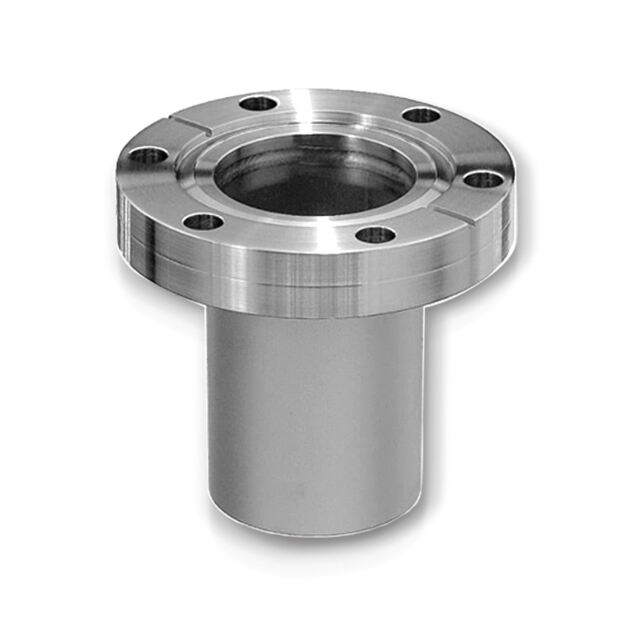
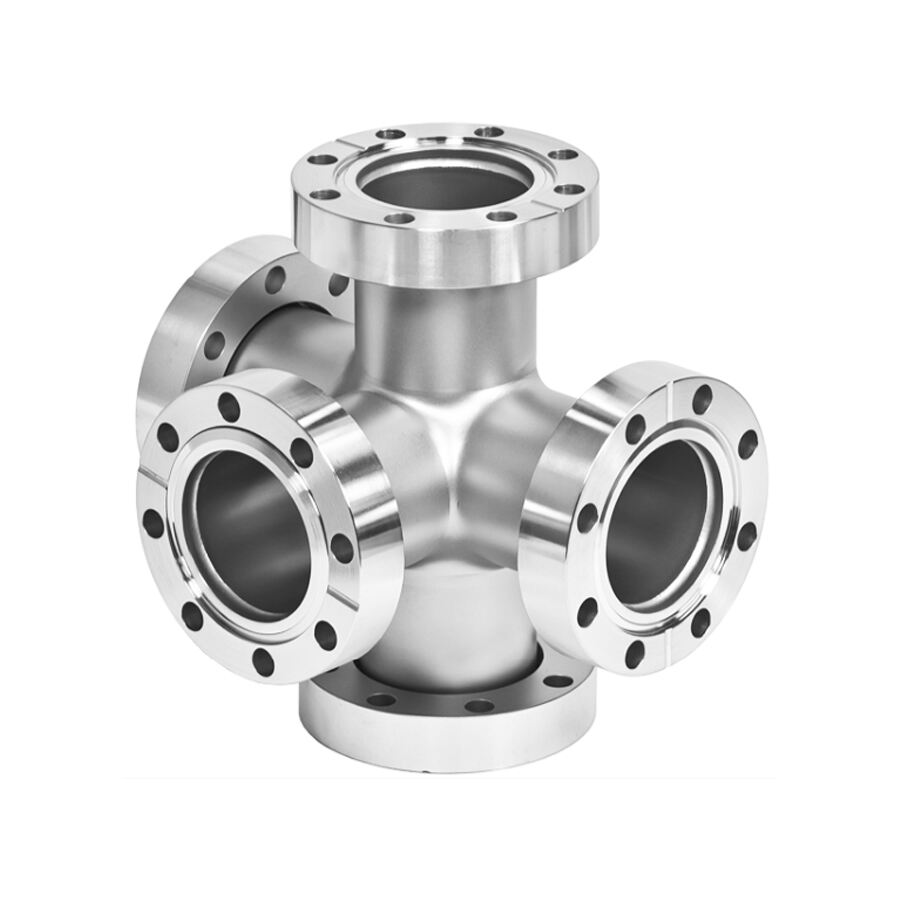
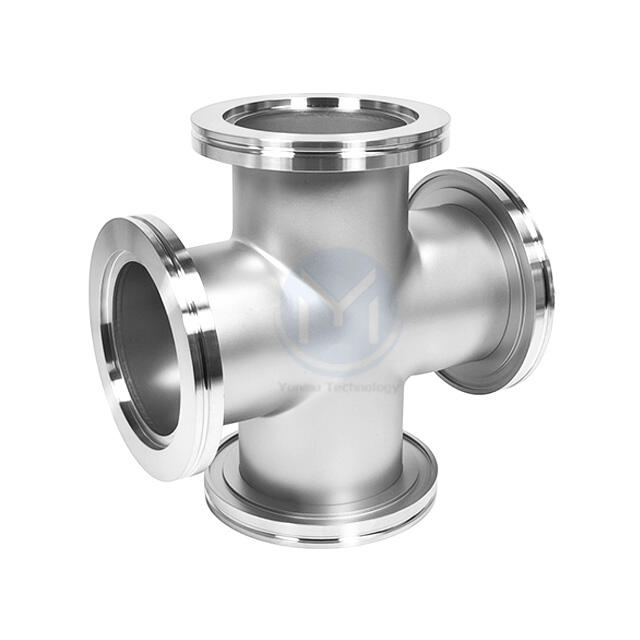
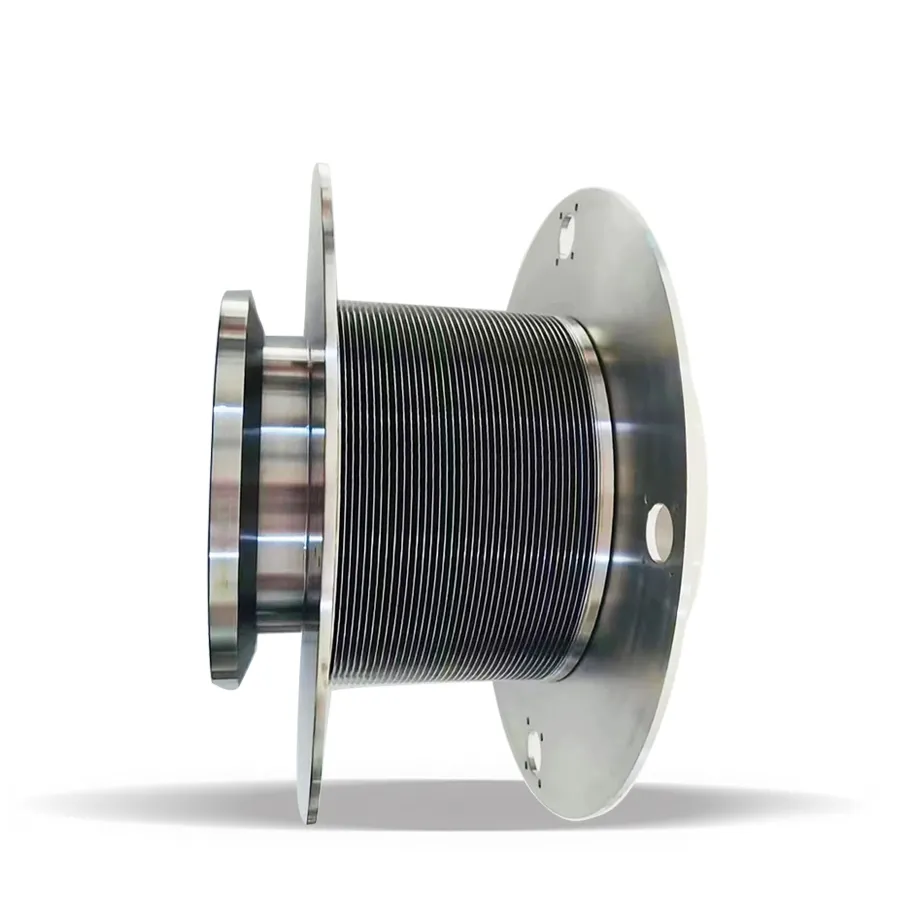
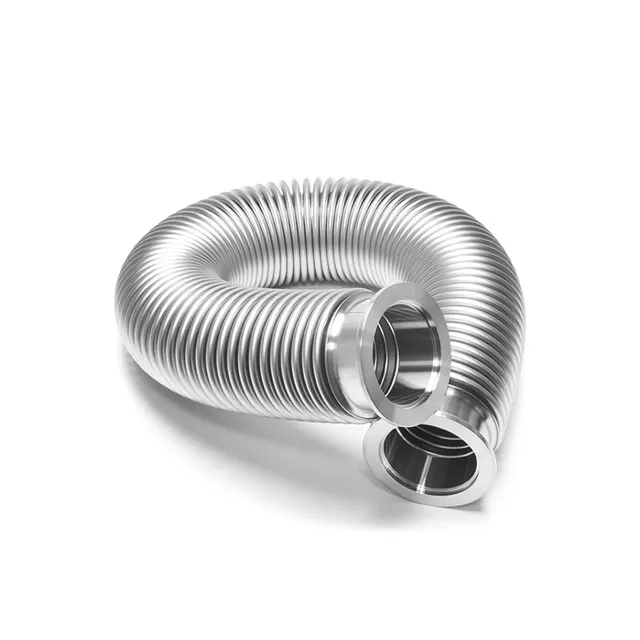
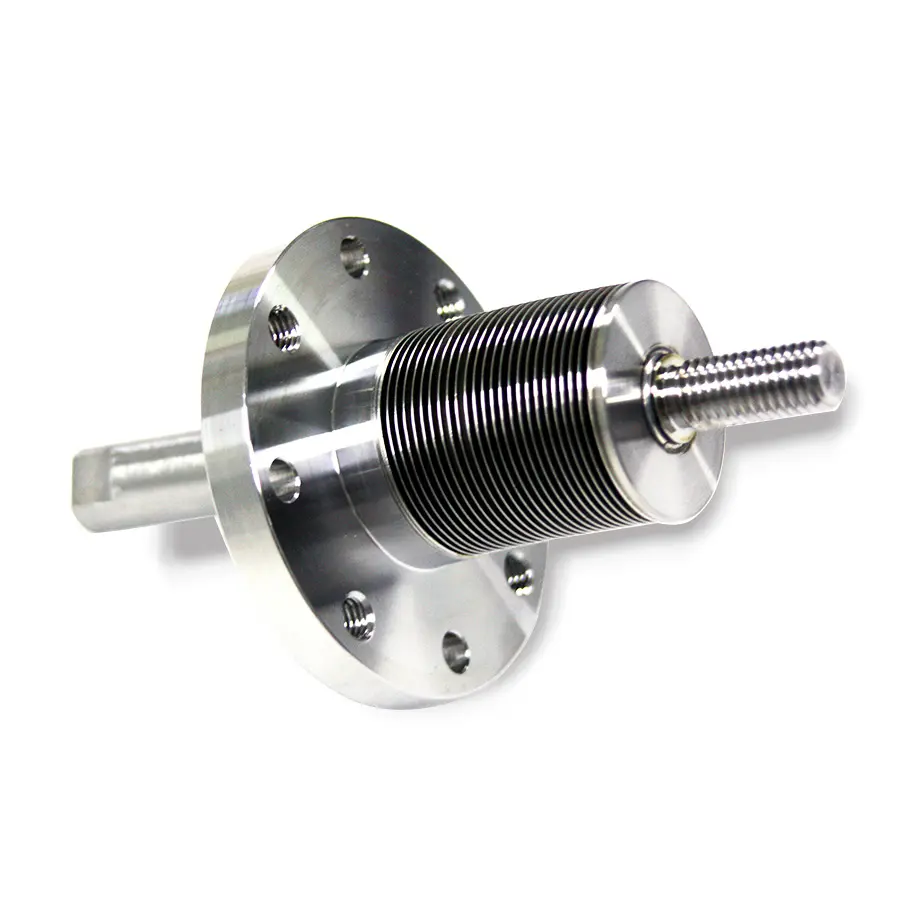
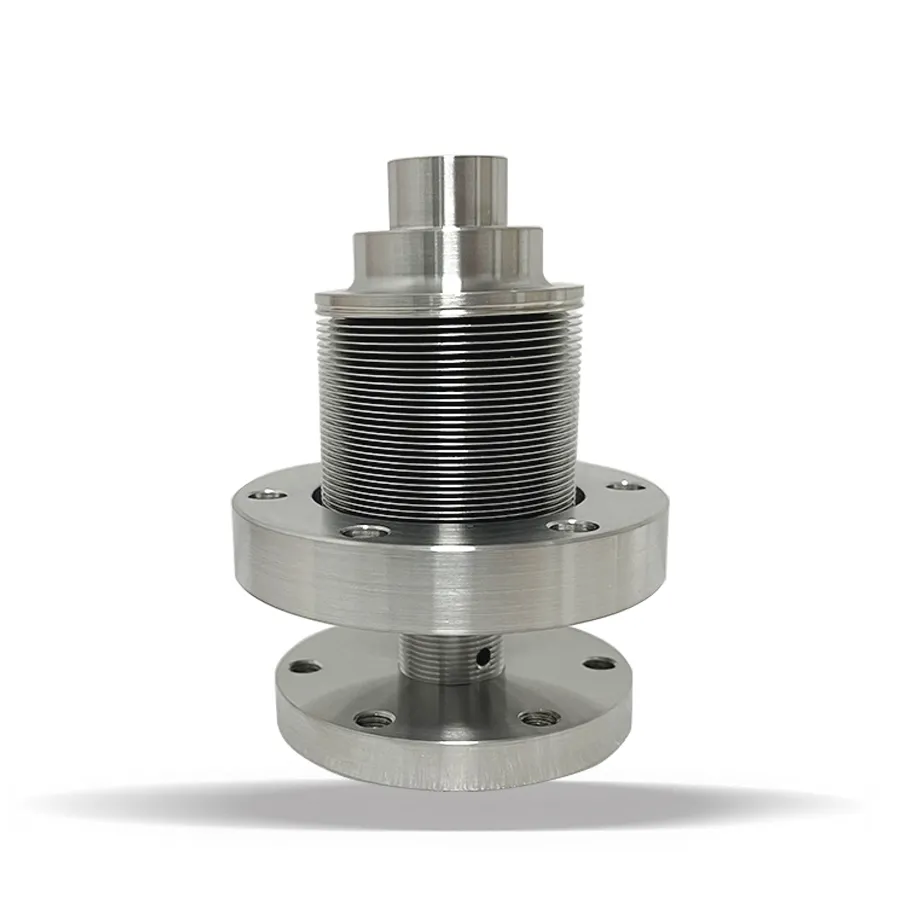
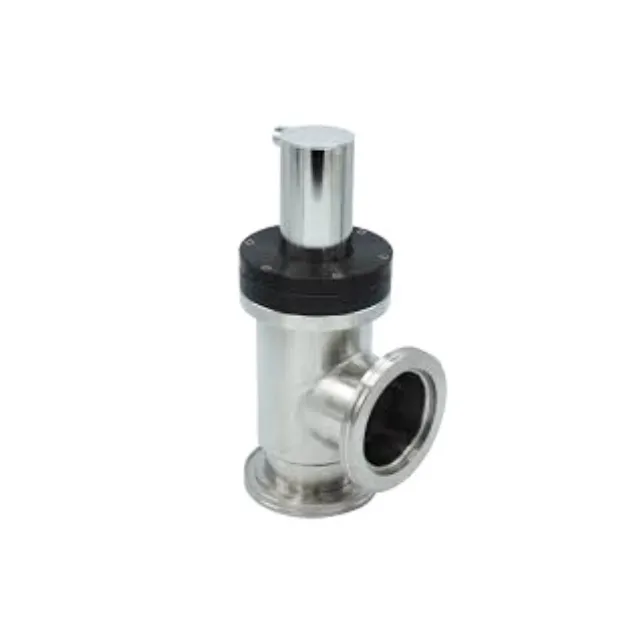
Vacuum system components are essential elements that work together to create, maintain, and control vacuum environments across industrial and scientific applications. These specialized parts include vacuum pumps, valves, gauges, chambers, fittings, and seals that collectively enable precise pressure reduction and contamination control. Modern vacuum system components utilize advanced materials and engineering designs to ensure reliable performance in demanding conditions. The primary functions encompass air removal, pressure measurement, flow regulation, and system isolation. Technological features include corrosion-resistant construction, leak-tight sealing mechanisms, and compatibility with various process gases and chemicals. These components support applications ranging from semiconductor manufacturing and coating processes to pharmaceutical production and research laboratories. High-quality vacuum system components deliver consistent vacuum levels, minimize maintenance requirements, and ensure operational safety. They incorporate smart monitoring capabilities, energy-efficient designs, and modular configurations that allow customization for specific process needs. The integration of vacuum system components creates complete solutions for processes requiring controlled atmospheres, contamination prevention, or material handling under reduced pressure. Industries depend on these components to achieve precise manufacturing tolerances, enhance product quality, and optimize production efficiency. Whether used in analytical instruments, industrial drying systems, or advanced material processing, vacuum system components provide the foundation for reliable vacuum technology implementation across diverse sectors.

Popular Products

Investing in quality vacuum system components delivers immediate operational improvements and long-term cost savings for your facility. These components enhance process reliability by maintaining stable vacuum conditions that directly impact product quality and production consistency. You gain better control over manufacturing parameters, reducing defects and material waste while increasing throughput. Energy efficiency represents a significant advantage, as modern vacuum system components consume less power while delivering superior performance compared to outdated alternatives. This translates to lower utility bills and reduced environmental impact. The durability of premium vacuum system components means fewer breakdowns and extended service intervals, minimizing costly downtime and maintenance expenses. You can schedule maintenance proactively rather than responding to unexpected failures that disrupt production schedules. Versatility makes vacuum system components suitable for diverse applications, from delicate laboratory work to heavy industrial processes, providing flexibility as your operational needs evolve. Easy integration with existing infrastructure allows upgrades without complete system overhauls, protecting your capital investment. Safety features built into modern vacuum system components protect personnel and equipment from hazards associated with vacuum operations. Precision measurement and control capabilities enable you to meet strict quality standards and regulatory requirements in regulated industries. The modular nature of vacuum system components simplifies troubleshooting and component replacement, reducing repair complexity and technician training requirements. Scalability allows you to expand capacity incrementally as production demands grow, avoiding excessive upfront investment. By choosing reliable vacuum system components, you establish a foundation for operational excellence that supports business growth and competitive advantage in your market.

Practical Tips

How Can Vacuum Technology Improve Process Stability and Output?

29

May

How Can Vacuum Technology Improve Process Stability and Output?

In modern industrial manufacturing, process stability and consistent output are not optional goals — they are operational necessities. vacuum technology has emerged as one of the most reliable engineering tools for achieving both. By removing gas mol...
View More
Which Vacuum Accessories Improve Industrial Process Reliability Most?

29

May

Which Vacuum Accessories Improve Industrial Process Reliability Most?

In high-demand industrial environments, the performance of a vacuum system is rarely determined by the pump alone. The supporting components — the vacuum accessories that seal, connect, isolate, and protect every part of the system — are what separat...
View More
Why Are Custom Vacuum Systems Important for Precision Automation?

29

May

Why Are Custom Vacuum Systems Important for Precision Automation?

In precision automation, the margin for error is measured in microns, and the environments in which sensitive processes occur must be controlled with exceptional care. custom vacuum systems have become a foundational element in this landscape, enabli...
View More
Can Edge Welded Bellow Assemblies Extend Equipment Service Life?

04

Jun

Can Edge Welded Bellow Assemblies Extend Equipment Service Life?

When engineers and procurement specialists evaluate ways to extend the operational lifespan of precision equipment, the mechanical components that absorb motion, pressure, and thermal stress often receive the closest scrutiny. Among these, the edge w...
View More

Get a Free Quote

Our representative will contact you soon.
Email
Name
Company Name
Message
0/1000

vacuum system components

Superior Leak-Tight Sealing Technology

Superior Leak-Tight Sealing Technology

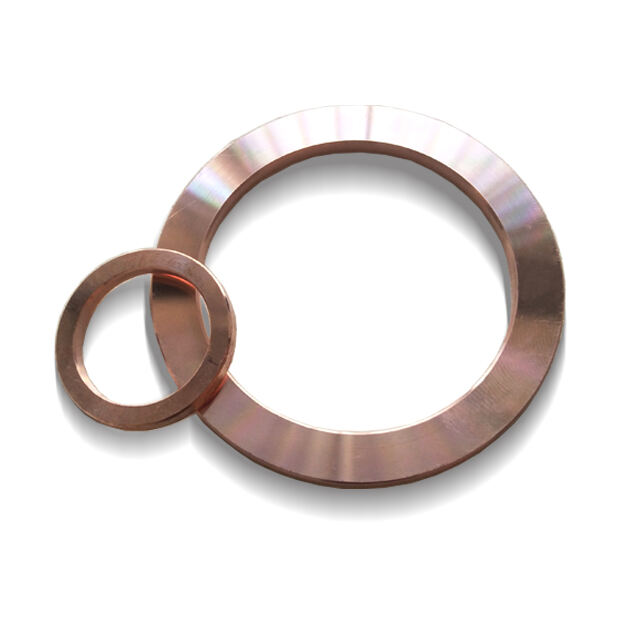
Vacuum system components incorporate advanced sealing technologies that prevent atmospheric contamination and maintain consistent vacuum levels throughout operation. High-performance elastomers, metal gaskets, and specialized seal designs create barriers that withstand thermal cycling, chemical exposure, and mechanical stress without degradation. This sealing excellence directly impacts process quality by eliminating unwanted gas intrusion that could compromise sensitive manufacturing steps or research experiments. The leak-tight integrity of vacuum system components reduces pump workload, lowering energy consumption and extending equipment lifespan. Reliable seals minimize the need for frequent recalibration and system adjustments, allowing operators to focus on production rather than constant maintenance. In applications requiring ultra-high vacuum conditions, these sealing technologies achieve pressure levels previously unattainable with conventional components. The result is improved product consistency, reduced contamination-related losses, and enhanced confidence in process outcomes. Quality sealing in vacuum system components also contributes to workplace safety by preventing hazardous material leaks and maintaining controlled environments. This technological advantage makes vacuum system components indispensable for industries where precision and purity are non-negotiable requirements for successful operations.
Comprehensive Material Compatibility

Comprehensive Material Compatibility

Modern vacuum system components are engineered from diverse materials to match specific process requirements and chemical environments. Stainless steel options provide excellent corrosion resistance for aggressive chemicals, while aluminum components offer lightweight solutions for portable systems. Specialized coatings and surface treatments extend compatibility to highly reactive gases and corrosive vapors that would damage standard materials. This material versatility ensures vacuum system components perform reliably across pharmaceutical, semiconductor, food processing, and chemical manufacturing applications. You can select components that withstand your exact process conditions without premature failure or contamination risks. Material compatibility eliminates costly process interruptions caused by component degradation and reduces the frequency of replacement cycles. Vacuum system components constructed from appropriate materials maintain surface cleanliness standards critical for contamination-sensitive processes. They resist particle generation, outgassing, and chemical reactions that could introduce impurities into your vacuum environment. The availability of different material grades allows optimization of cost versus performance based on your specific application demands. This flexibility in material selection makes vacuum system components adaptable to both standard industrial processes and specialized research applications requiring unique environmental conditions. Proper material matching through quality vacuum system components protects your investment and ensures long-term operational reliability.
Intelligent Monitoring and Control Integration

Intelligent Monitoring and Control Integration

Advanced vacuum system components feature integrated sensors and control interfaces that provide real-time performance data and automated operation capabilities. Pressure transducers, temperature sensors, and flow monitors built into vacuum system components enable precise process control and early detection of performance deviations. This intelligence allows immediate response to changing conditions, maintaining optimal vacuum levels automatically without constant operator intervention. Data logging capabilities create documentation trails essential for quality assurance, regulatory compliance, and process optimization analysis. Remote monitoring functions let you supervise multiple vacuum systems from centralized control rooms, improving operational efficiency and resource allocation. Predictive maintenance alerts generated by smart vacuum system components identify potential issues before failures occur, preventing unexpected downtime and expensive emergency repairs. Integration with automation platforms enables vacuum system components to communicate with other process equipment, creating coordinated manufacturing systems that optimize overall productivity. These intelligent features reduce labor requirements while improving process consistency and product quality. Operators gain actionable insights into system performance trends, supporting continuous improvement initiatives and informed equipment upgrade decisions. The connectivity of modern vacuum system components positions your facility for Industry 4.0 implementation and digital transformation strategies that enhance competitive positioning in evolving markets.

Have questions about the company?

Get a Free Quote

Our representative will contact you soon.
Email
Name
Company Name
Message
0/1000

Get a Free Quote

Our representative will contact you soon.
Email
Name
Company Name
Message
0/1000

Get a Free Quote

Our representative will contact you soon.
Email
Name
Company Name
Message
0/1000