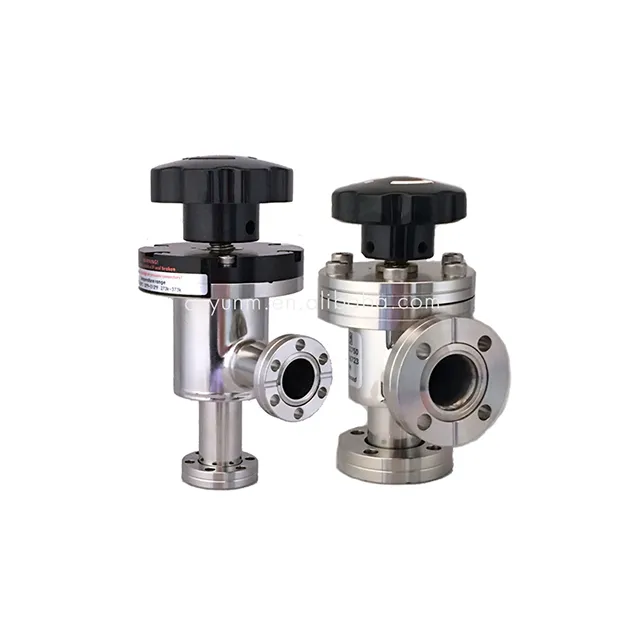
high pressure relief valve
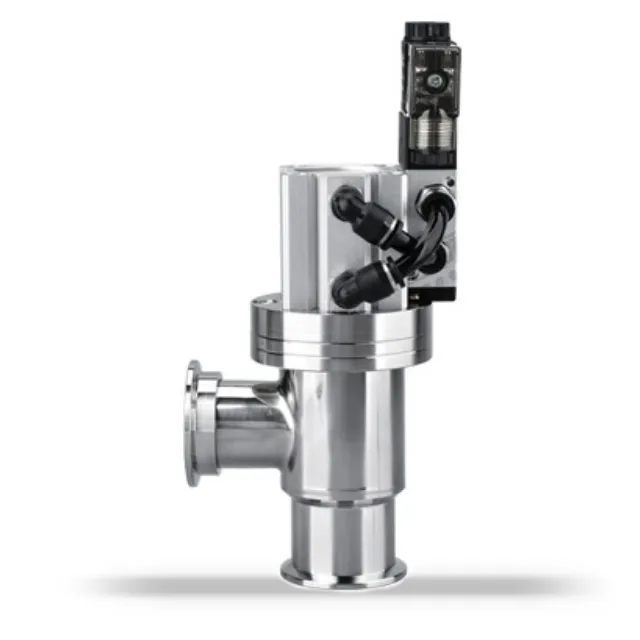
A high pressure relief valve is a critical safety component designed to protect pressurized systems from catastrophic failures caused by excessive pressure buildup. This essential device automatically opens when system pressure exceeds predetermined safe levels, releasing excess fluid or gas to prevent equipment damage, system ruptures, or dangerous explosions. The high pressure relief valve operates through precision-engineered spring mechanisms or pilot-operated systems that respond instantly to pressure changes. These valves feature robust construction using high-grade materials such as stainless steel, carbon steel, or specialized alloys to withstand extreme operating conditions. Modern high pressure relief valve designs incorporate advanced sealing technologies that ensure leak-tight performance during normal operations while providing reliable activation when needed. The technological features include adjustable set pressure points, various connection types including threaded and flanged options, and compliance with international safety standards such as ASME, API, and ISO certifications. Applications span diverse industries including oil and gas processing, chemical manufacturing, power generation, pharmaceutical production, hydraulic systems, steam boilers, and compressed air networks. The high pressure relief valve serves as the last line of defense in pressure management systems, making it indispensable for facilities handling pressurized fluids or gases. Installation flexibility allows integration into existing systems with minimal modifications, while maintenance-friendly designs enable periodic testing and recalibration to ensure continued reliability throughout the valve's operational lifespan.
 EN
EN