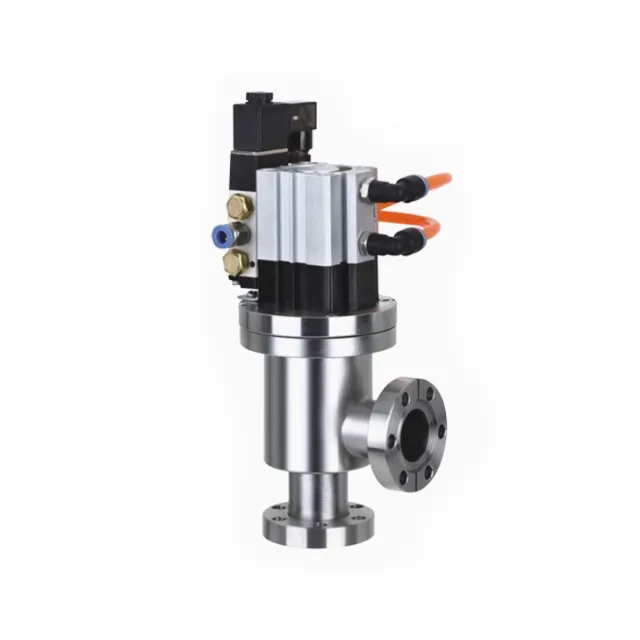
vacuum pressure relief valve
A vacuum pressure relief valve is a critical safety device designed to protect storage tanks, process vessels, and piping systems from both excessive internal pressure and vacuum conditions. This dual-function valve automatically opens to relieve pressure when it exceeds the predetermined set point, and it also permits air intake when internal vacuum threatens to collapse the tank structure. The vacuum pressure relief valve operates through a precision-engineered mechanism featuring spring-loaded pallets or discs that respond to differential pressure changes. When pressure builds beyond safe limits, the valve opens to discharge gases or vapors, preventing potential ruptures or explosions. Conversely, when vacuum conditions develop due to liquid withdrawal, temperature drops, or condensation, the valve admits atmospheric air to equalize pressure and maintain structural integrity. These valves are essential in industries handling flammable liquids, chemicals, pharmaceuticals, and petroleum products. Modern vacuum pressure relief valve designs incorporate corrosion-resistant materials, weatherproof housings, and flame arrestor options for enhanced safety. The valve's compact design allows easy installation on tank nozzles, and maintenance requirements are minimal due to robust construction. Available in various sizes and pressure ratings, the vacuum pressure relief valve serves as a cost-effective insurance policy against catastrophic tank failures, ensuring compliance with safety regulations while protecting valuable assets and personnel from dangerous over-pressure or vacuum scenarios.
 EN
EN