Vacuum Release Valve: Protection & Performance

All Categories

vacuum release valve

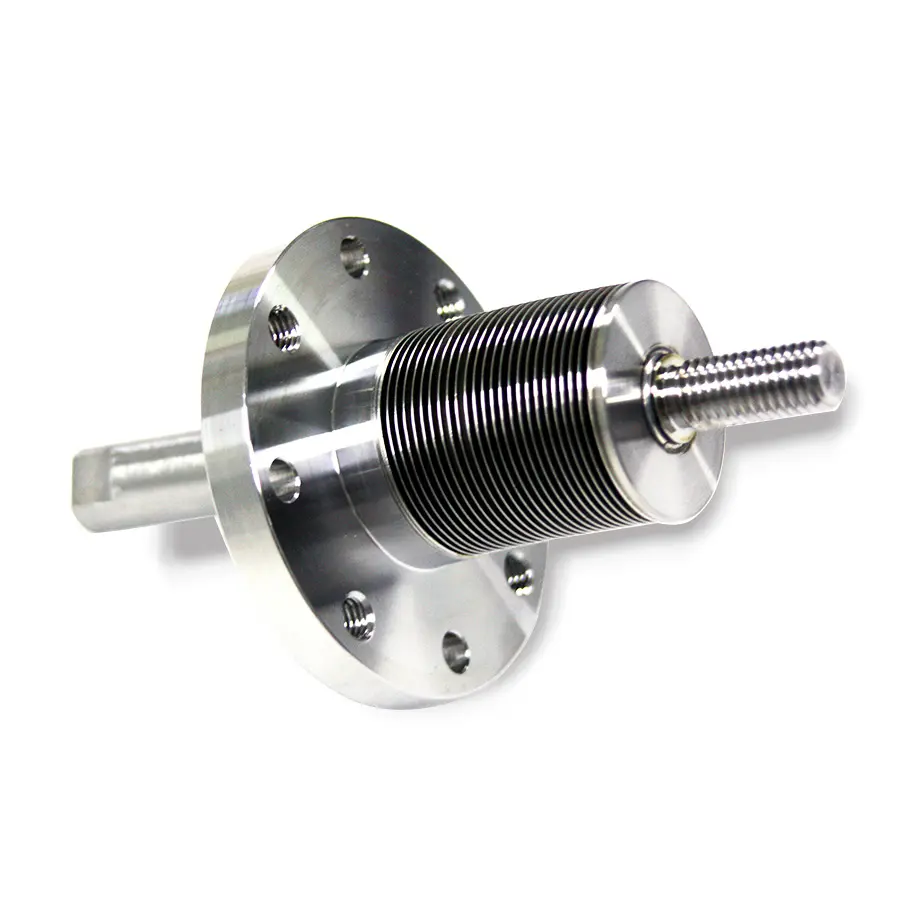
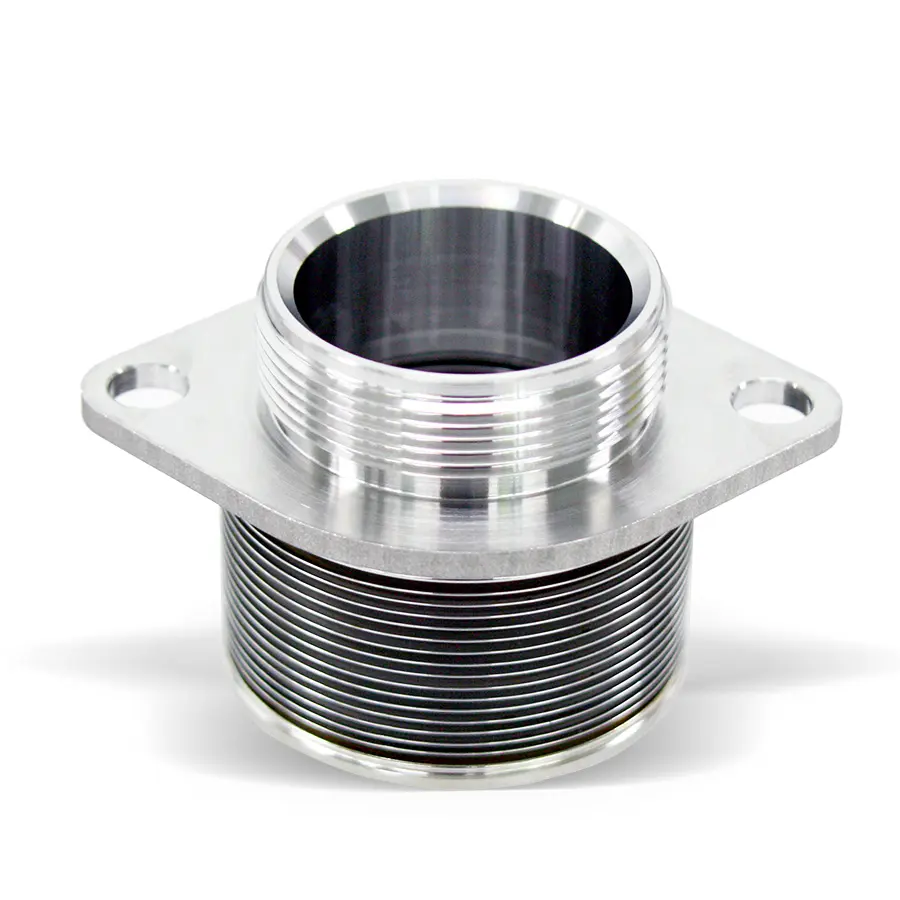
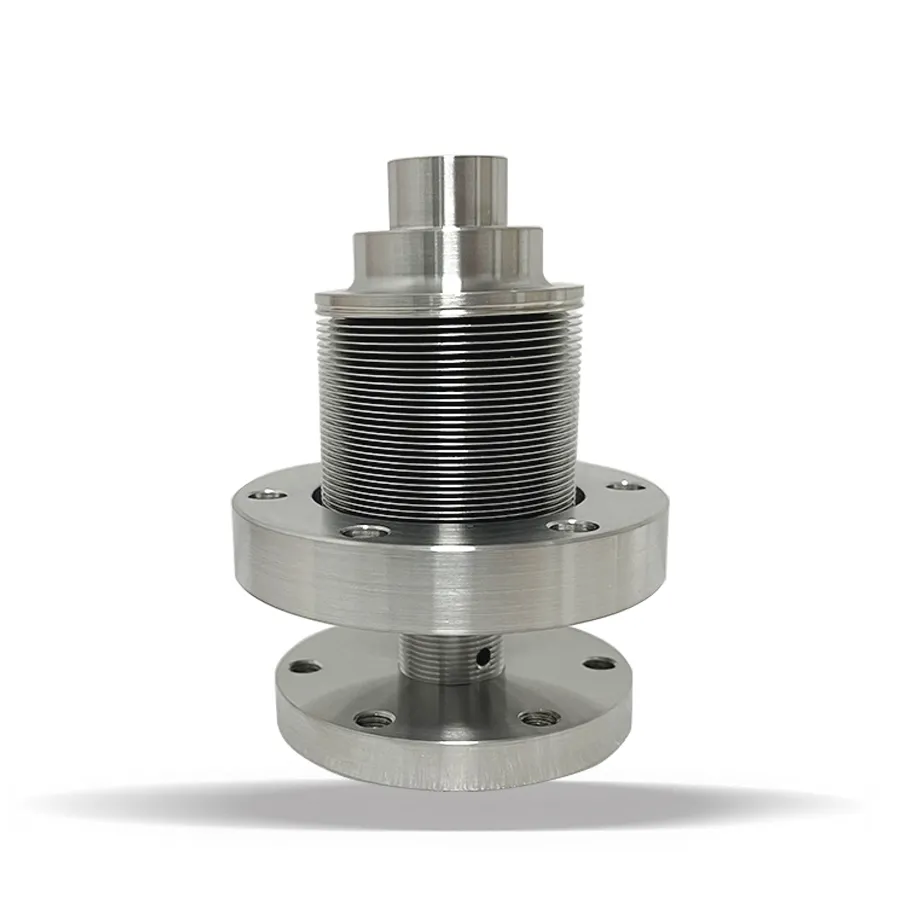
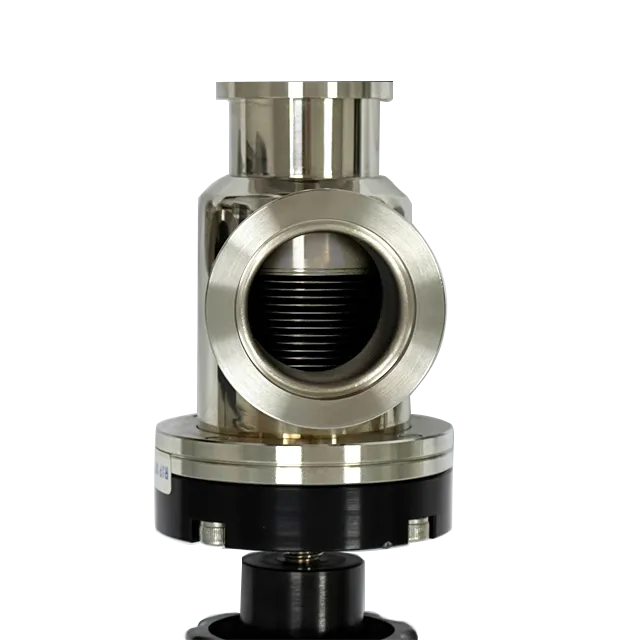
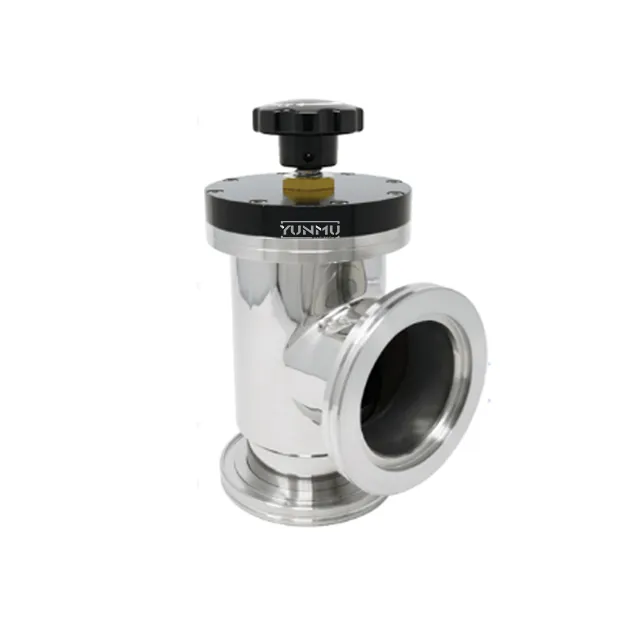
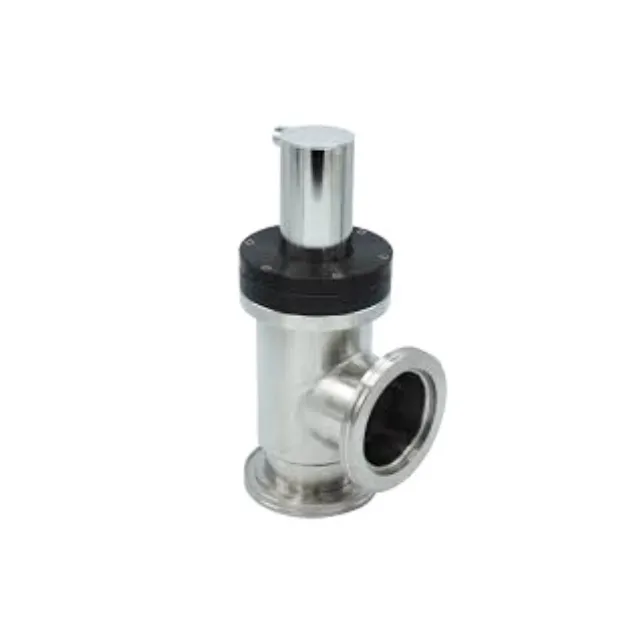
A vacuum release valve is a critical safety component designed to protect pipelines, tanks, and pressure vessels from vacuum conditions that can cause structural damage or system failure. This specialized valve automatically opens when internal pressure drops below atmospheric pressure, allowing air to enter the system and prevent vacuum formation. The vacuum release valve operates through a precisely calibrated mechanism that responds to pressure differentials, ensuring rapid air admission when needed while maintaining a tight seal during normal operating conditions. Modern vacuum release valves feature robust construction using corrosion-resistant materials such as stainless steel, cast iron, or brass, making them suitable for diverse industrial environments. The valve's internal components include a precisely weighted disc or float mechanism that lifts when vacuum conditions develop, creating an opening for atmospheric air entry. Advanced designs incorporate adjustable pressure settings, allowing operators to customize the activation point based on specific system requirements. The vacuum release valve finds extensive application across water distribution networks, wastewater treatment facilities, petroleum storage terminals, chemical processing plants, and HVAC systems. Its compact design enables easy integration into existing piping configurations, while standard flange connections ensure compatibility with various pipeline specifications. Regular maintenance requirements are minimal, contributing to lower operational costs and extended service life. The vacuum release valve represents an essential protection measure that prevents costly equipment damage, system downtime, and potential safety hazards associated with vacuum collapse.

New Product Recommendations

Installing a vacuum release valve delivers significant cost savings by preventing expensive damage to pipelines, storage tanks, and connected equipment that vacuum conditions can cause. When liquid drains rapidly from a pipeline or tank, dangerous vacuum pressure can develop and collapse thin-walled structures, resulting in repair costs that far exceed the valve investment. The vacuum release valve eliminates this risk by automatically admitting air at the precise moment vacuum conditions begin forming. This proactive protection extends equipment lifespan and reduces unplanned maintenance interventions. Operational efficiency improves dramatically because the vacuum release valve enables faster drainage operations without risking system integrity. Facilities can drain tanks and pipelines at optimal rates rather than restricting flow to prevent vacuum formation, which accelerates turnaround times during cleaning, maintenance, or product changeover procedures. The valve operates automatically without requiring manual intervention or monitoring, freeing personnel for other tasks while ensuring continuous protection. Energy consumption decreases because pumping systems work more efficiently when vacuum restrictions are eliminated from the discharge side of operations. The vacuum release valve suits applications across municipal water systems, industrial process facilities, agricultural irrigation networks, and commercial buildings with large plumbing systems. Its versatility across temperature ranges and fluid types makes it adaptable to site-specific requirements. Decision-makers appreciate the straightforward installation process that integrates seamlessly with existing infrastructure using standard piping connections. The valve requires no external power source or control signals, operating purely through mechanical response to pressure changes. This simplicity translates to exceptional reliability with minimal maintenance demands. Long-term performance remains consistent because quality vacuum release valves utilize durable materials and proven design principles that withstand years of service. For facility managers evaluating protection options, the vacuum release valve offers proven technology with measurable return on investment through damage prevention and operational improvements.

Latest News

How Can Custom Vacuum Systems Improve Industrial Workflow Stability?

29

May

How Can Custom Vacuum Systems Improve Industrial Workflow Stability?

Industrial workflow stability is one of the most critical factors separating high-performing facilities from those that struggle with downtime, inconsistent output, and rising operational costs. When vacuum technology is involved in production, the p...
View More
Can Edge Welded Bellow Assemblies Extend Equipment Service Life?

04

Jun

Can Edge Welded Bellow Assemblies Extend Equipment Service Life?

When engineers and procurement specialists evaluate ways to extend the operational lifespan of precision equipment, the mechanical components that absorb motion, pressure, and thermal stress often receive the closest scrutiny. Among these, the edge w...
View More
Why Are Precision Edge Welded Bellow Products Widely Used Today?

05

Jun

Why Are Precision Edge Welded Bellow Products Widely Used Today?

In modern engineering and industrial design, the demand for components that combine flexibility, precision, and long-term reliability has never been higher. The edge welded bellow has emerged as one of the most trusted solutions across a wide range o...
View More
How Can Edge Welded Bellow Systems Improve Vacuum Performance?

04

Jun

How Can Edge Welded Bellow Systems Improve Vacuum Performance?

In high-precision vacuum environments, even the smallest mechanical compromise can lead to significant performance degradation. The edge welded bellow has emerged as one of the most reliable solutions for maintaining vacuum integrity while accommodat...
View More

Get a Free Quote

Our representative will contact you soon.
Email
Name
Company Name
Message
0/1000

vacuum release valve

Automatic Protection Against Vacuum Damage

Automatic Protection Against Vacuum Damage

The vacuum release valve provides continuous, automatic protection without requiring human intervention or electronic controls. Its mechanical design responds instantly to pressure changes, opening precisely when internal pressure drops below atmospheric levels. This immediate response prevents the formation of destructive vacuum conditions that can collapse pipelines, implode storage tanks, and damage pump seals. The valve's calibrated mechanism ensures activation occurs at the optimal pressure differential, admitting sufficient air volume to equalize pressure before structural damage occurs. Unlike manual venting procedures that depend on operator vigilance and timing, the vacuum release valve delivers consistent protection during both routine operations and unexpected events such as power failures or emergency shutdowns. The self-contained operation means no wiring, programming, or external power requirements, which enhances reliability and reduces installation complexity. Maintenance personnel appreciate the straightforward functionality that eliminates troubleshooting of electronic components or control systems. The vacuum release valve remains in standby mode during normal pressure conditions, maintaining a tight seal that prevents fluid leakage or contamination entry. This dual functionality of reliable sealing combined with instant vacuum relief makes it an indispensable safety component for critical infrastructure protection.
Wide Application Versatility Across Industries

Wide Application Versatility Across Industries

The vacuum release valve demonstrates remarkable versatility across diverse industrial sectors and application environments. Municipal water utilities install these valves throughout distribution networks to protect transmission mains during pump shutdowns and valve closures that can create sudden vacuum conditions. Wastewater treatment plants utilize vacuum release valves on collection systems and drainage lines where flow interruptions may cause negative pressure. Petroleum terminals and chemical processing facilities depend on these valves to safeguard storage tank integrity during product withdrawal and transfer operations. Agricultural operations integrate vacuum release valves into irrigation systems to prevent pipe collapse during seasonal shutdowns or system modifications. Commercial buildings with elevated water storage tanks require vacuum release valve protection against drainage-induced vacuum that could damage plumbing systems. The valve adapts to various fluid types including potable water, wastewater, petroleum products, and chemical solutions, with material selection tailored to compatibility requirements. Temperature tolerance spans from freezing conditions to elevated process temperatures, with specialized designs available for extreme environments. Size options range from small diameter valves for residential applications to large industrial units handling substantial air volumes. This comprehensive application range means virtually any facility facing potential vacuum conditions can implement appropriate vacuum release valve protection tailored to specific operational parameters and performance requirements.
Cost-Effective Long-Term Performance

Cost-Effective Long-Term Performance

The vacuum release valve delivers exceptional long-term value through durable construction, minimal maintenance requirements, and proven reliability that spans decades of service. Quality valves utilize corrosion-resistant materials engineered to withstand environmental exposure and fluid contact without degradation. Stainless steel internal components resist wear and maintain precise calibration over extended operating periods. The simple mechanical design contains fewer parts compared to complex control valves, which reduces potential failure points and simplifies inspection procedures. Routine maintenance typically involves only periodic visual inspection and occasional cleaning, requiring minimal labor investment and no specialized tools. Replacement parts remain available for standard models, ensuring long-term serviceability without complete unit replacement. The vacuum release valve operates without consuming energy, contributing to sustainable facility operations and eliminating ongoing power costs associated with active control systems. Installation costs remain reasonable because standard flange or threaded connections integrate with existing piping without requiring custom fabrication or specialized mounting hardware. The valve's compact footprint accommodates space-constrained locations while still delivering full protective capacity. When evaluating total cost of ownership, the vacuum release valve consistently outperforms alternative protection methods through lower acquisition cost, reduced installation expense, minimal maintenance burden, and exceptional operational longevity that maximizes return on investment across the equipment lifecycle.

Have questions about the company?

Get a Free Quote

Our representative will contact you soon.
Email
Name
Company Name
Message
0/1000

Get a Free Quote

Our representative will contact you soon.
Email
Name
Company Name
Message
0/1000

Get a Free Quote

Our representative will contact you soon.
Email
Name
Company Name
Message
0/1000