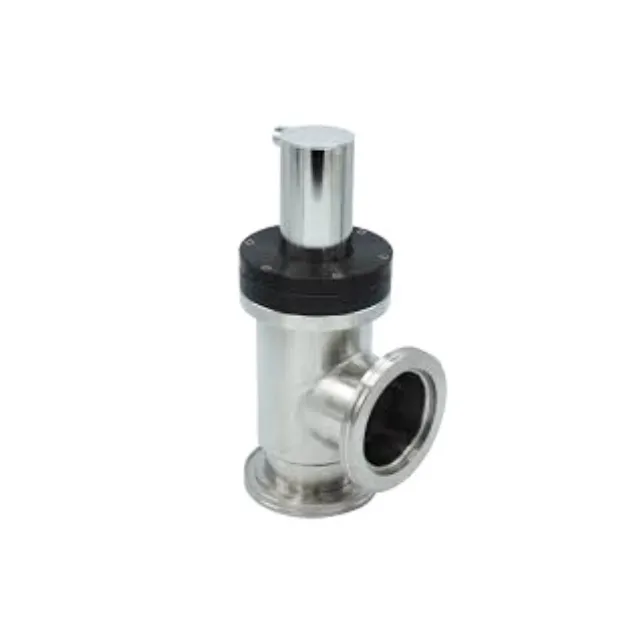
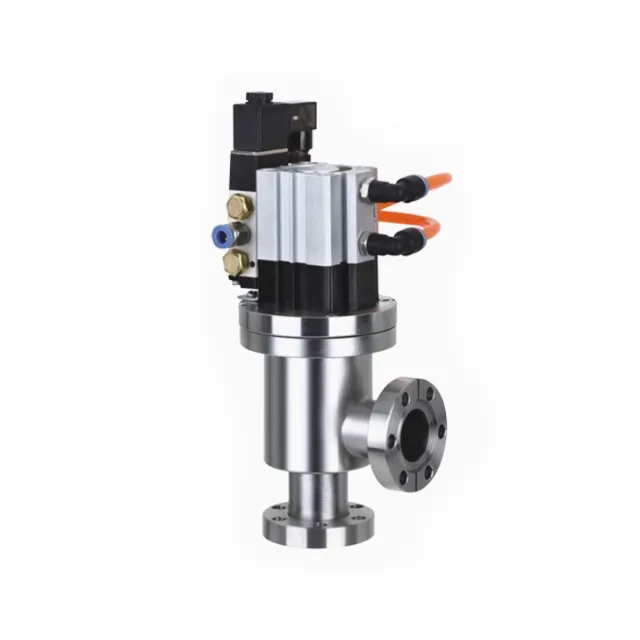
industrial pressure relief valve
An industrial pressure relief valve is a critical safety device designed to protect pressurized systems from exceeding their maximum allowable operating pressure. This essential component automatically opens when system pressure reaches a predetermined setpoint, releasing excess pressure to prevent catastrophic equipment failure, explosions, or safety hazards. The industrial pressure relief valve operates through a spring-loaded mechanism that balances internal system pressure against the valve's opening force. When pressure exceeds safe limits, the valve disc lifts from its seat, allowing fluid or gas to escape through a discharge outlet until pressure returns to acceptable levels. These valves are engineered with precision to ensure reliable performance in demanding environments, featuring robust construction materials such as stainless steel, brass, or specialized alloys that withstand corrosive substances and extreme temperatures. The technological features of an industrial pressure relief valve include adjustable setpoint capabilities, allowing operators to configure the valve according to specific system requirements. Many modern designs incorporate visual indicators or monitoring systems that provide real-time feedback on valve status and performance. Applications span numerous industries including oil and gas processing, chemical manufacturing, pharmaceutical production, power generation, water treatment facilities, and food processing operations. Whether protecting boilers, pressure vessels, pipelines, or reactors, the industrial pressure relief valve serves as the last line of defense against overpressure conditions. Its fail-safe design ensures automatic activation without requiring external power or operator intervention, making it an indispensable component in any pressurized system where safety and regulatory compliance are paramount concerns.
 EN
EN