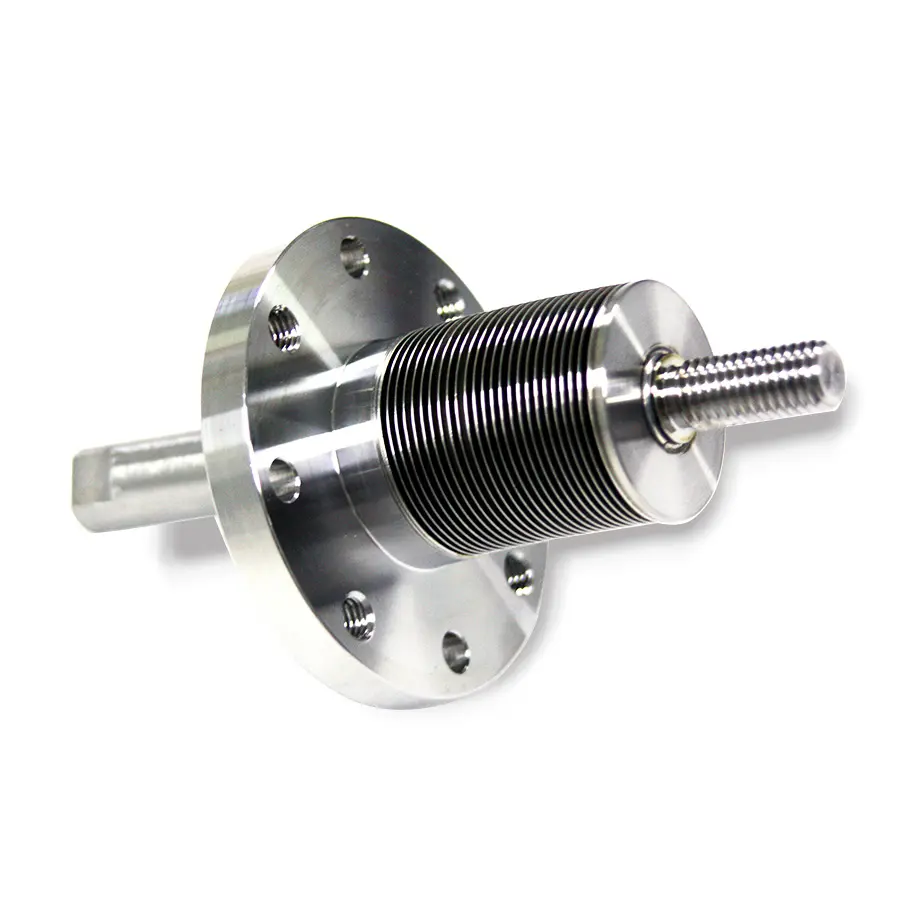
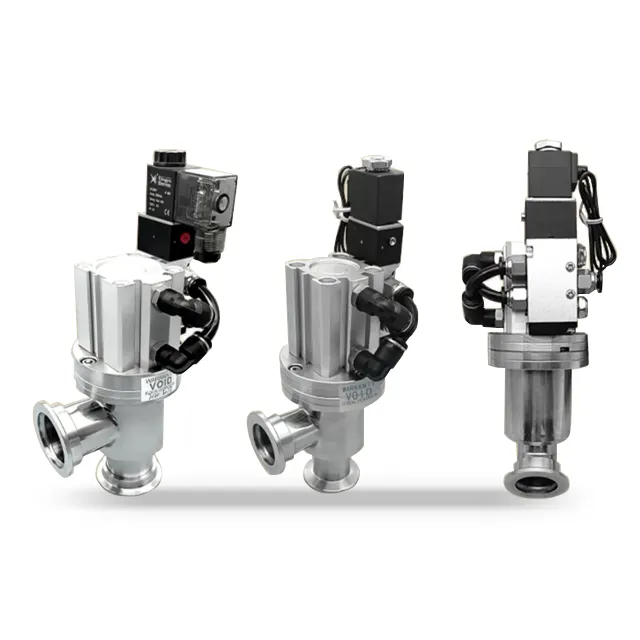
vacuum relief vent
A vacuum relief vent is a critical safety device designed to protect storage tanks, vessels, and piping systems from structural damage caused by internal vacuum conditions. When liquid is drained from a tank or vapor condenses inside a closed container, negative pressure develops that can cause catastrophic implosion if not properly relieved. The vacuum relief vent automatically opens to allow atmospheric air into the system, preventing dangerous vacuum buildup and ensuring structural integrity. This essential component operates through a spring-loaded mechanism or weighted pallet design that responds to pressure differentials. When internal pressure drops below a predetermined setpoint, typically ranging from 0.5 to 2 inches of water column, the vacuum relief vent opens immediately to admit air. Once pressure equalizes, the vent closes automatically to maintain system isolation. Modern vacuum relief vent units feature corrosion-resistant materials such as stainless steel, aluminum, or specialized polymers suitable for harsh chemical environments. The technological features include precision-engineered sealing surfaces that prevent fugitive emissions during normal operation, adjustable pressure settings for customized applications, and flame arrestor options for flammable vapor protection. Applications span petroleum storage, chemical processing, pharmaceutical manufacturing, wastewater treatment, food and beverage production, and marine fuel systems. The vacuum relief vent serves industries requiring reliable tank protection, regulatory compliance with environmental standards, and operational safety. Installation is straightforward, typically mounted on tank tops or pipeline high points where vacuum conditions are most likely to occur.
 EN
EN