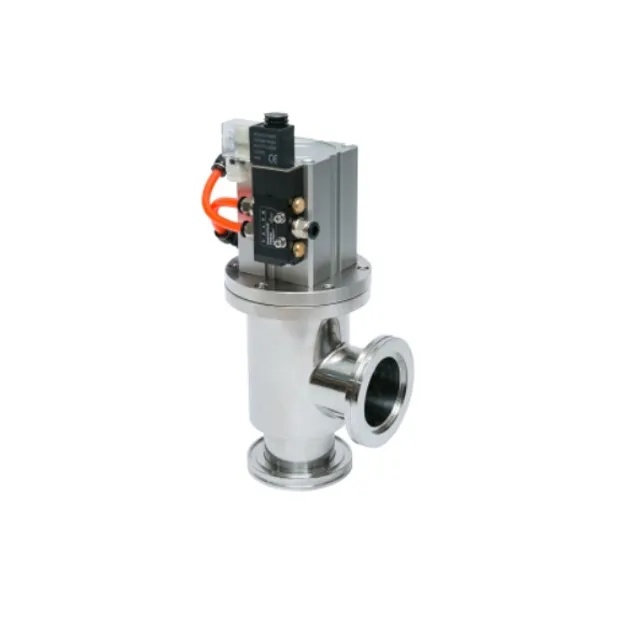
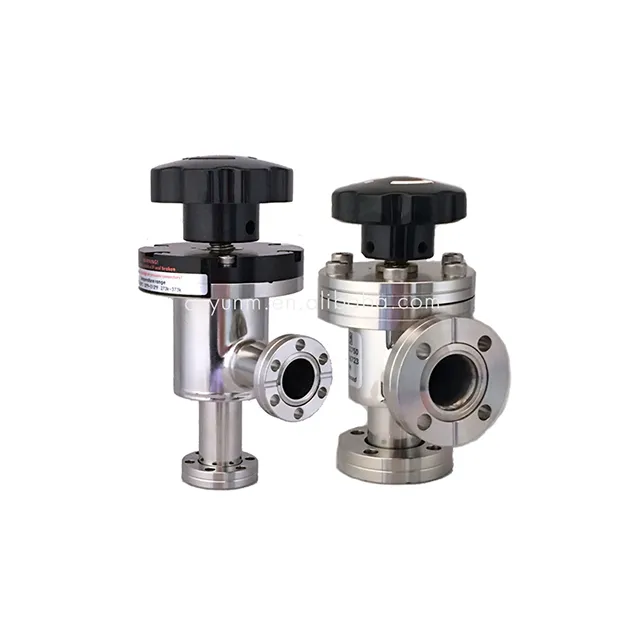
relief valve vacuum
A relief valve vacuum is a critical safety component designed to protect vacuum systems and equipment from excessive negative pressure conditions. This specialized valve automatically opens when vacuum levels exceed predetermined safe thresholds, allowing atmospheric air to enter the system and prevent potentially catastrophic damage. The relief valve vacuum operates through a spring-loaded mechanism that responds instantly to pressure differentials, ensuring continuous protection for tanks, vessels, pipelines, and processing equipment. Modern relief valve vacuum designs incorporate precision-engineered sealing surfaces, corrosion-resistant materials, and adjustable set points to accommodate diverse industrial applications. These valves are essential in chemical processing, pharmaceutical manufacturing, food and beverage production, and petroleum refining operations where vacuum conditions are routinely employed. The relief valve vacuum functions as a fail-safe device, maintaining system integrity by preventing structural collapse, implosion risks, and equipment deformation caused by excessive vacuum pressure. Installation is straightforward, typically requiring mounting on vessel tops, pipeline branches, or dedicated vacuum protection points. The relief valve vacuum delivers reliable performance across varying temperature ranges, with options available for sanitary, hazardous, and extreme environment applications. Regular maintenance involves simple inspection and testing procedures to verify proper set point calibration and sealing effectiveness, ensuring long-term operational reliability and compliance with safety standards.
 EN
EN