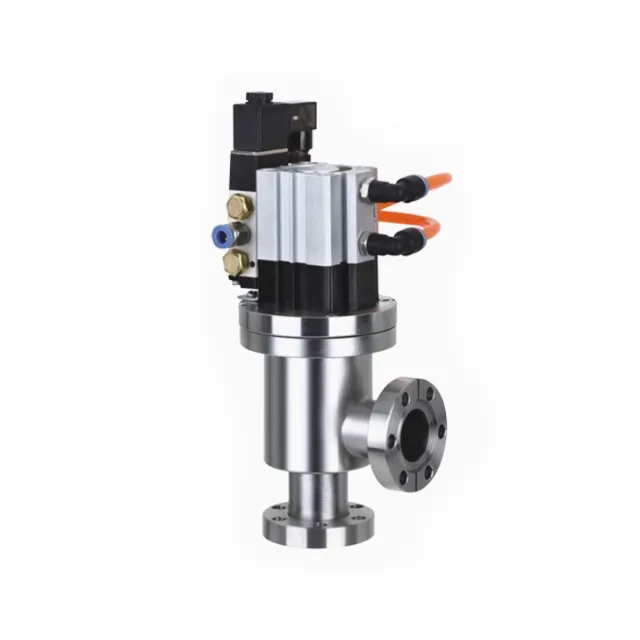
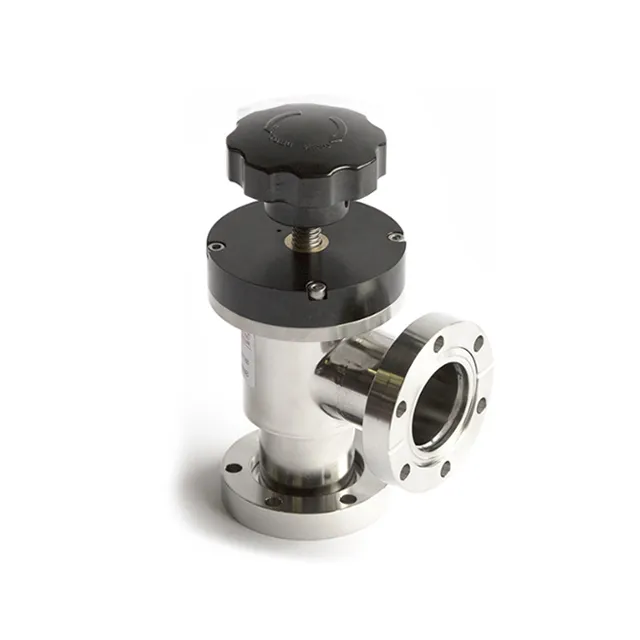
Pressure Vacuum Relief Valve Solutions & Benefits

All Categories

pressure vacuum relief valve

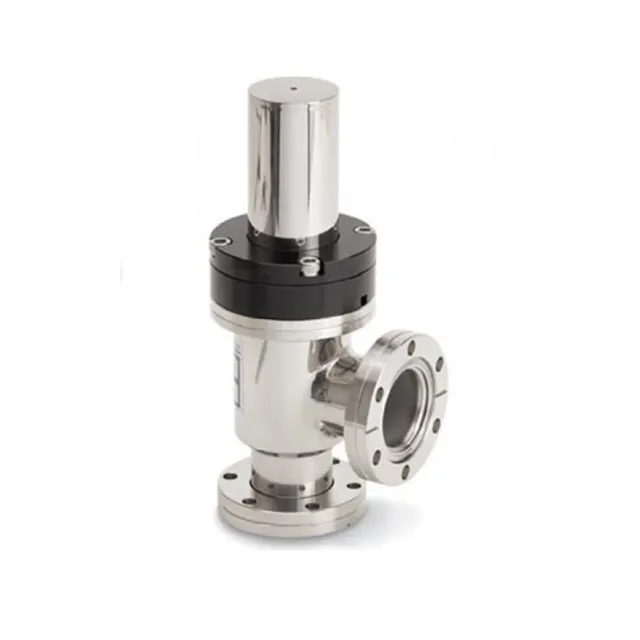
A pressure vacuum relief valve is a critical safety device designed to protect storage tanks and vessels from structural damage caused by excessive internal pressure or vacuum conditions. This valve operates automatically by opening to relieve pressure when internal forces exceed predetermined set points, then closing once normal conditions are restored. The pressure vacuum relief valve combines two essential functions in one compact unit: pressure relief to prevent tank rupture during filling operations or thermal expansion, and vacuum relief to prevent tank collapse during product discharge or cooling. Modern pressure vacuum relief valves feature precision-engineered components including spring-loaded pallets, knife-edge seats for tight sealing, and corrosion-resistant materials such as stainless steel or aluminum alloy construction. These valves are engineered to meet stringent industry standards including API 2000, ensuring reliable performance across various applications. The technological design incorporates minimal moving parts to reduce maintenance requirements while maximizing operational reliability. Pressure vacuum relief valves find widespread application in petroleum storage facilities, chemical processing plants, pharmaceutical manufacturing, food and beverage production, and industrial solvent handling. They protect fixed-roof atmospheric storage tanks containing volatile liquids, flammable materials, and temperature-sensitive products. By maintaining optimal pressure differential, the pressure vacuum relief valve prevents product loss through evaporation, reduces emissions to meet environmental regulations, and extends tank service life by eliminating stress cycles that lead to metal fatigue and structural failure.

New Product Releases

Installing a pressure vacuum relief valve delivers immediate cost savings by preventing catastrophic tank failures that result in expensive repairs, product loss, and operational downtime. These valves operate without external power sources, ensuring continuous protection even during electrical outages or system failures, which translates to reliable safety performance under all conditions. The pressure vacuum relief valve responds instantly to pressure changes, opening within milliseconds to protect your investment in storage infrastructure and valuable product inventory. Maintenance requirements are minimal compared to complex pressure control systems, reducing labor costs and eliminating the need for specialized technical expertise. The valve's straightforward design allows for quick visual inspection and simple cleaning procedures that your existing maintenance team can perform without extensive training. From an operational perspective, the pressure vacuum relief valve maintains product quality by minimizing exposure to atmospheric moisture and contaminants, which is particularly valuable for hygroscopic materials and products sensitive to oxidation. Energy efficiency improves because the valve reduces product evaporation losses, known as breathing losses, which can account for significant annual costs in facilities storing volatile liquids. Environmental compliance becomes easier as the pressure vacuum relief valve helps meet emission reduction targets by limiting fugitive vapor releases. The valve suits diverse applications across industries, from small-scale operations with single tanks to large terminal facilities managing multiple storage vessels. Decision-makers appreciate that pressure vacuum relief valves offer proven technology with decades of field performance data, eliminating uncertainty associated with newer, unproven systems. The initial investment in a quality pressure vacuum relief valve typically recovers within months through reduced product loss, lower insurance premiums due to improved safety profiles, and decreased emergency response costs.

Tips And Tricks

Why Are Stainless Steel Vacuum Fittings Preferred in Harsh Environments?

29

May

Why Are Stainless Steel Vacuum Fittings Preferred in Harsh Environments?

In industrial and scientific settings where reliability is non-negotiable, the choice of vacuum fittings can determine whether a system performs flawlessly or fails under pressure. Stainless steel has emerged as the dominant material for vacuum fitti...
View More
How Does a Vacuum Chamber Support High Precision Manufacturing?

29

May

How Does a Vacuum Chamber Support High Precision Manufacturing?

In high precision manufacturing, even the smallest environmental variable can compromise the integrity of a finished component. Contaminants in the air, fluctuating pressure, and trace moisture are invisible threats that can distort measurements, wea...
View More
How Do Custom Vacuum Systems Support Specialized Manufacturing Needs?

29

May

How Do Custom Vacuum Systems Support Specialized Manufacturing Needs?

In today's advanced manufacturing landscape, standard off-the-shelf equipment often falls short when processes demand precision, repeatability, and environmental control that generic solutions simply cannot deliver. custom vacuum systems have emerged...
View More
Can Edge Welded Bellow Assemblies Extend Equipment Service Life?

04

Jun

Can Edge Welded Bellow Assemblies Extend Equipment Service Life?

When engineers and procurement specialists evaluate ways to extend the operational lifespan of precision equipment, the mechanical components that absorb motion, pressure, and thermal stress often receive the closest scrutiny. Among these, the edge w...
View More

Get a Free Quote

Our representative will contact you soon.
Email
Name
Company Name
Message
0/1000

pressure vacuum relief valve

Dual Protection Mechanism for Complete Tank Safety

Dual Protection Mechanism for Complete Tank Safety

The pressure vacuum relief valve provides comprehensive protection through its innovative dual-function design that addresses both overpressure and vacuum conditions within a single integrated unit. When internal tank pressure rises above the set point due to filling operations, thermal expansion, or external fire exposure, the pressure relief component activates immediately, releasing excess vapors to prevent dangerous stress on tank walls and roof structures. Conversely, when vacuum conditions develop during product withdrawal, cooling, or rapid weather changes, the vacuum relief function opens to admit atmospheric air, preventing the catastrophic inward collapse that destroys unprotected tanks. This dual protection eliminates the need for separate pressure and vacuum devices, reducing installation complexity, minimizing potential leak points, and lowering total equipment costs. The pressure vacuum relief valve's synchronized operation ensures your storage system remains within safe operating parameters continuously, protecting personnel, property, and environmental resources. Engineering teams value this comprehensive approach because it simplifies system design, reduces footprint requirements on tank tops, and streamlines compliance documentation for regulatory inspections. The integrated design also ensures balanced protection, as both pressure and vacuum set points are precisely calibrated and factory-tested to work in harmony, eliminating concerns about mismatched component specifications that plague multi-device protection systems.

Minimal Maintenance Requirements with Maximum Reliability

Minimal Maintenance Requirements with Maximum Reliability

The pressure vacuum relief valve distinguishes itself through exceptionally low maintenance demands that dramatically reduce operational costs while ensuring consistent long-term performance. The valve's elegant mechanical design incorporates only essential moving components, typically just spring-loaded pallets that operate on precision-machined knife-edge seats, minimizing wear points and extending service intervals significantly beyond complex alternative systems. This simplicity means fewer parts that can fail, corrode, or require adjustment, translating directly to reduced spare parts inventory costs and less frequent service interruptions. Materials selection plays a crucial role, with manufacturers utilizing corrosion-resistant alloys, weather-resistant polymers, and UV-stabilized components that withstand harsh environmental conditions including extreme temperatures, corrosive atmospheres, and prolonged exposure to chemicals. Routine maintenance typically involves only periodic visual inspection to verify free pallet movement and cleaning of seats to remove accumulated debris or product residue, tasks that standard maintenance personnel can complete in minutes without specialized tools or training. The pressure vacuum relief valve requires no external power, control systems, or instrumentation, eliminating associated maintenance for electrical connections, control circuits, and sensor calibration. This independence from auxiliary systems ensures the valve remains operational during facility power outages, control system failures, or instrument malfunctions when protection is often most critical. Field performance data demonstrates pressure vacuum relief valves operating reliably for years between major service events, providing predictable maintenance scheduling and budget planning advantages.
Environmental Compliance and Product Conservation Benefits

Environmental Compliance and Product Conservation Benefits

The pressure vacuum relief valve serves as an essential component in meeting increasingly stringent environmental regulations while simultaneously reducing operational costs through effective product conservation. By precisely controlling tank breathing, the valve minimizes volatile organic compound emissions that contribute to air pollution and trigger regulatory violations with associated fines and remediation costs. The pressure vacuum relief valve operates at optimized set points that allow minimal vapor release, opening only when necessary to maintain safe pressure differentials rather than permitting continuous atmospheric exchange like simple vents. This controlled operation significantly reduces evaporative losses of valuable product, which represents both direct financial loss and environmental impact. For facilities storing petroleum products, chemicals, or solvents, annual savings from reduced breathing losses often exceed thousands of dollars per tank, with larger terminals recognizing six-figure annual benefits across multiple storage vessels. Environmental managers appreciate how the pressure vacuum relief valve contributes to air quality permit compliance, greenhouse gas reduction initiatives, and corporate sustainability goals without requiring complex vapor recovery systems or ongoing energy consumption. The valve also prevents water ingress during vacuum conditions, protecting product purity and eliminating contamination issues that lead to off-specification material, customer complaints, and costly product reprocessing. Quality assurance teams value this contamination prevention, particularly in pharmaceutical, food-grade, and specialty chemical applications where product integrity is paramount. Documentation for environmental audits becomes straightforward, as the pressure vacuum relief valve provides a simple, verifiable mechanical solution that regulators recognize and accept across jurisdictions.

Have questions about the company?

Get a Free Quote

Our representative will contact you soon.
Email
Name
Company Name
Message
0/1000

Get a Free Quote

Our representative will contact you soon.
Email
Name
Company Name
Message
0/1000

Get a Free Quote

Our representative will contact you soon.
Email
Name
Company Name
Message
0/1000