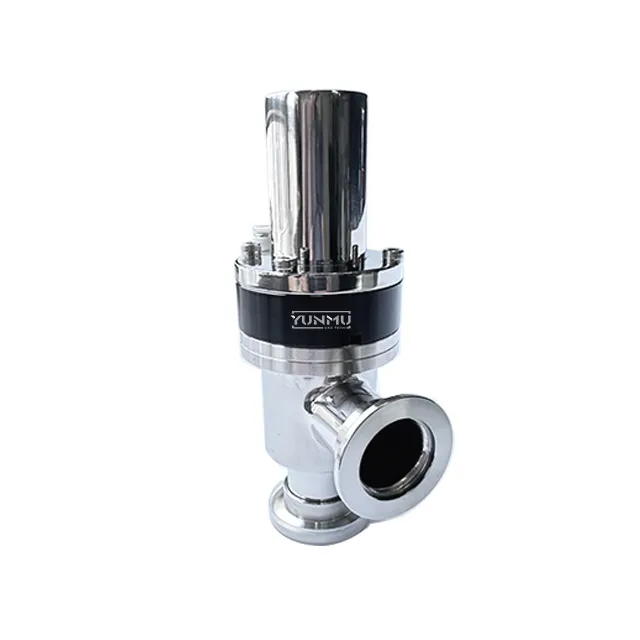
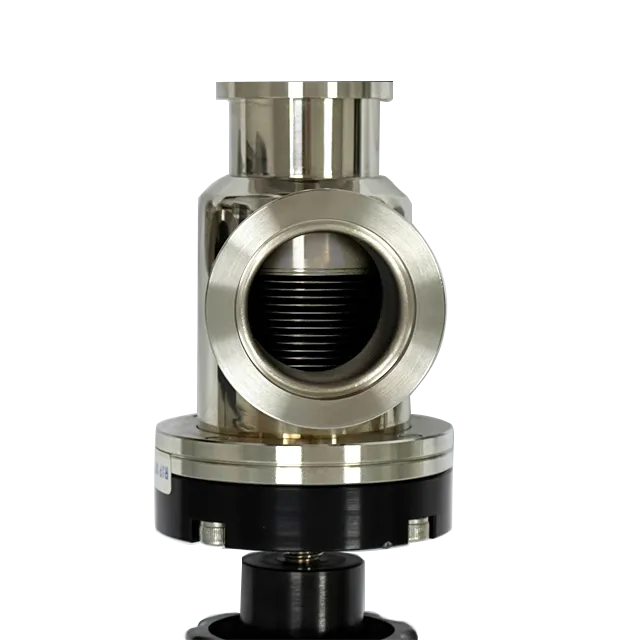
vacuum safety valve
A vacuum safety valve is a critical protective device designed to prevent vacuum conditions from damaging storage tanks, vessels, and piping systems. This specialized valve automatically opens when internal pressure drops below atmospheric levels, allowing air to enter and equalize the pressure differential. The vacuum safety valve operates through a precisely calibrated spring-loaded mechanism that responds instantly to pressure changes, ensuring reliable protection against tank implosion and structural collapse. Modern vacuum safety valves feature corrosion-resistant materials such as stainless steel, cast iron, or specialized alloys suitable for various industrial environments. The technological design incorporates a weighted pallet or spring-loaded disc that seals against a machined seat, creating an airtight closure under normal operating conditions. When vacuum conditions develop due to liquid discharge, cooling, condensation, or unexpected process changes, the valve responds immediately by lifting the sealing element and permitting atmospheric air inflow. Applications span across chemical processing plants, petroleum refineries, pharmaceutical manufacturing facilities, food and beverage production, water treatment systems, and bulk storage operations. The vacuum safety valve provides essential protection for atmospheric and low-pressure storage tanks containing liquids, gases, or volatile substances. Installation typically occurs on tank roofs or vessel tops, where the valve monitors internal pressure continuously without requiring external power or control systems. This passive safety mechanism delivers dependable performance across temperature ranges and varying environmental conditions, making it an indispensable component in process safety management and asset protection strategies.
 EN
EN