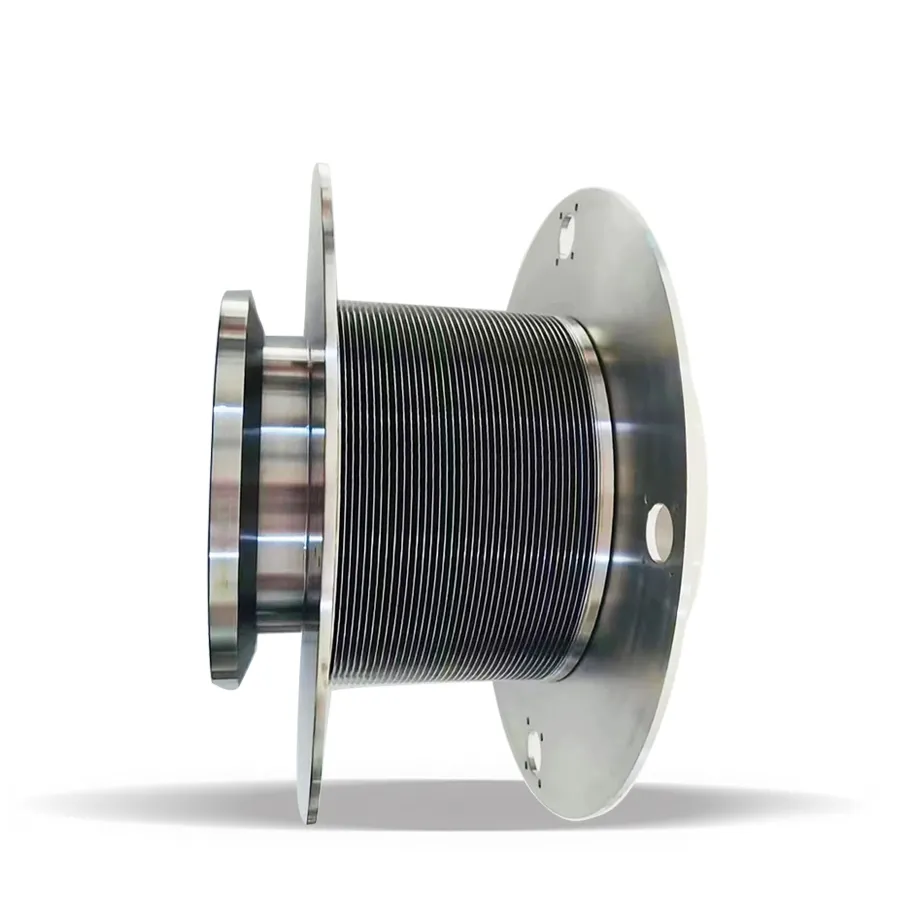
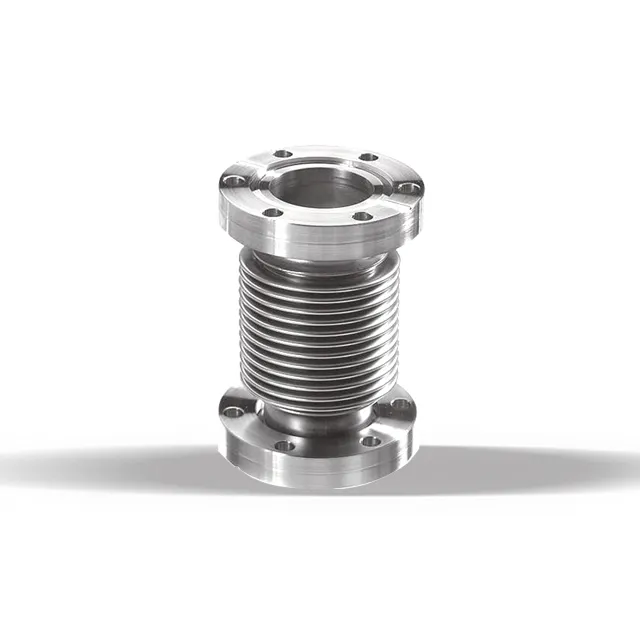
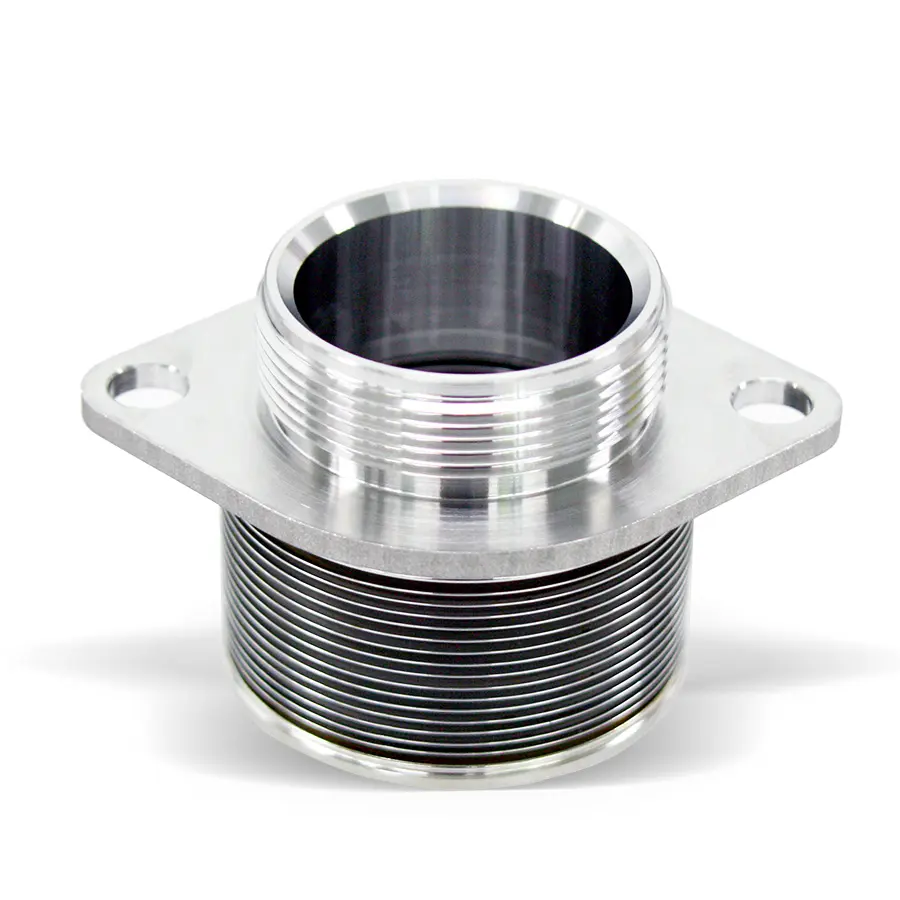
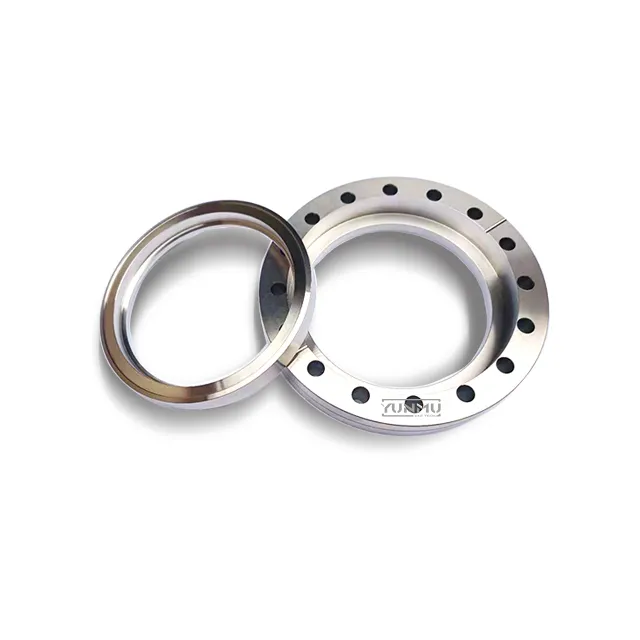
vacuum pressure release valve
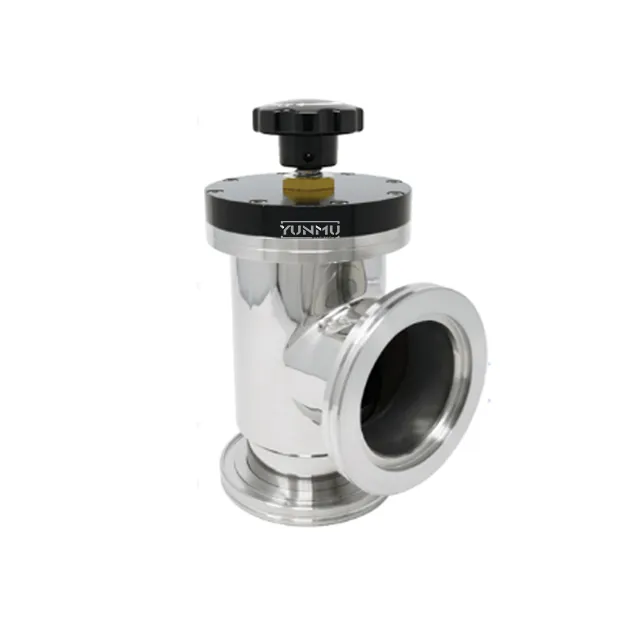
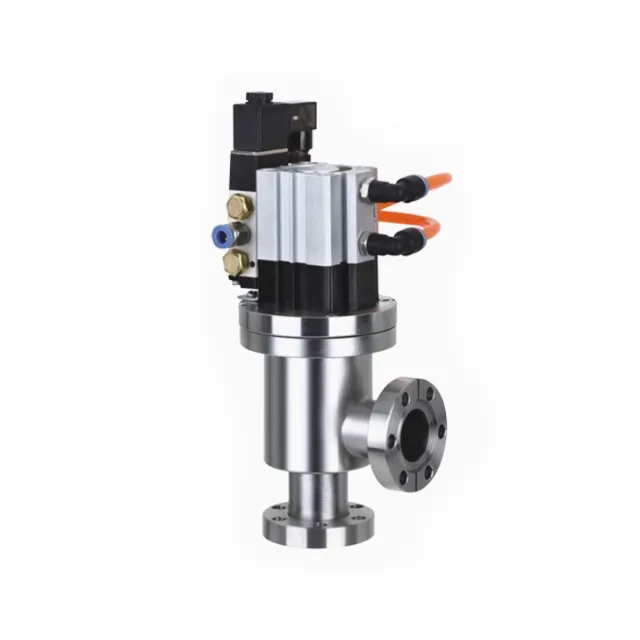
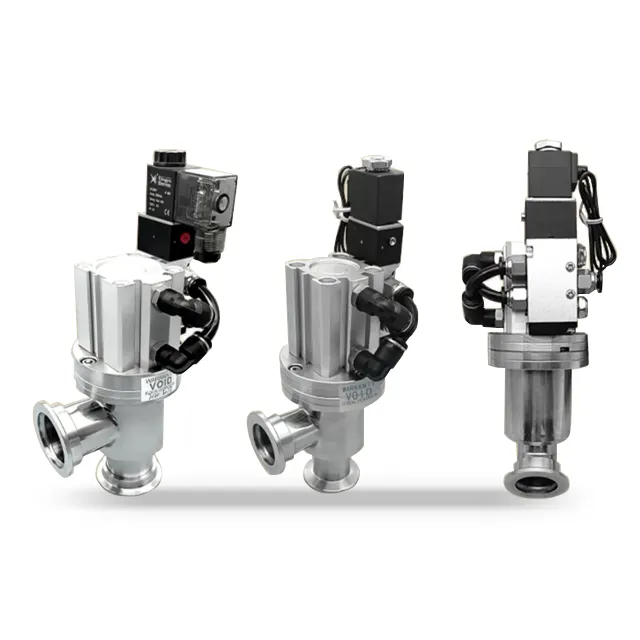
A vacuum pressure release valve is a critical safety component designed to protect tanks, vessels, and pipelines from excessive internal pressure or vacuum conditions. This specialized valve automatically opens to release pressure when internal forces exceed predetermined safe limits, then closes once normal operating conditions resume. The vacuum pressure release valve serves dual functions by preventing both overpressure situations that could cause ruptures and vacuum conditions that might collapse storage structures. Modern vacuum pressure release valves incorporate precision-engineered mechanisms that respond instantly to pressure differentials, ensuring reliable protection across diverse industrial applications. These valves feature robust construction using corrosion-resistant materials such as stainless steel, aluminum, or specialized alloys, making them suitable for harsh environments. The technological design includes calibrated spring-loaded discs or weighted pallets that activate at specific pressure thresholds, typically measured in inches of water column or millibars. Installation is straightforward, with standard flange or threaded connections that integrate seamlessly into existing systems. Applications span multiple industries including petroleum storage, chemical processing, pharmaceutical manufacturing, food and beverage production, and wastewater treatment facilities. The vacuum pressure release valve maintains atmospheric equilibrium during filling and emptying operations, preventing dangerous pressure buildup or structural damage. Advanced models feature flame arrestors for volatile substance handling, weather protection hoods, and pressure indicators for monitoring system performance. Regular maintenance requirements are minimal, with periodic inspections ensuring optimal functionality throughout extended service life.
 EN
EN