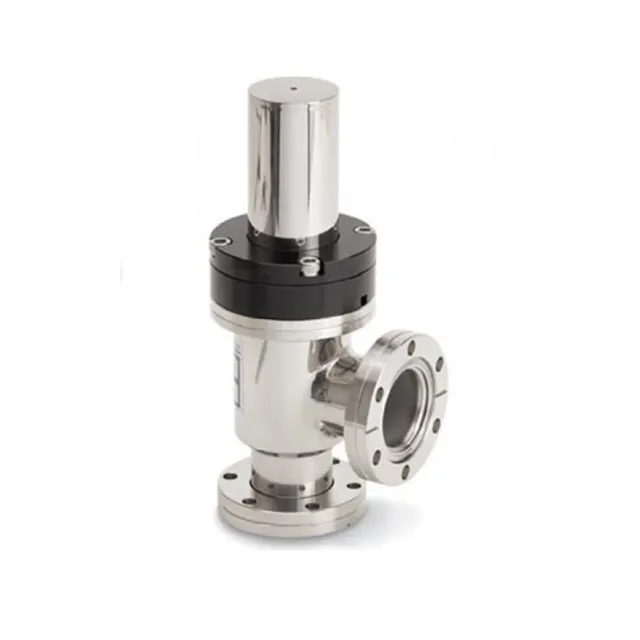
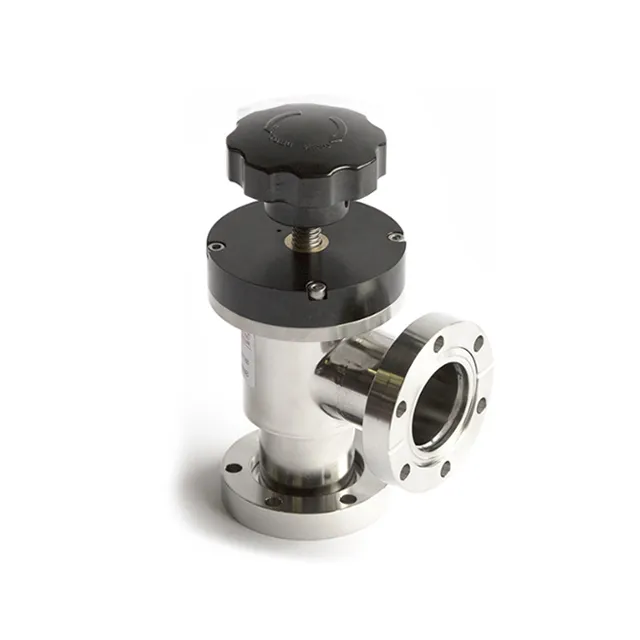
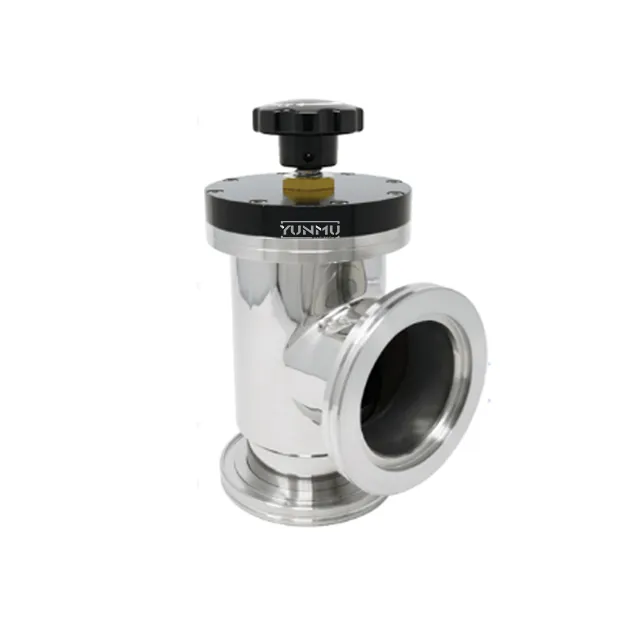
vacuum relief valve
A vacuum relief valve is a critical safety device designed to protect storage tanks, vessels, and piping systems from vacuum conditions that could cause structural collapse or damage. This specialized valve automatically opens when internal pressure drops below atmospheric pressure, allowing air or gas to enter the system and prevent dangerous vacuum formation. The vacuum relief valve operates through a spring-loaded mechanism that responds instantly to pressure differentials, ensuring reliable protection without requiring external power or manual intervention. Modern vacuum relief valves feature robust construction using materials such as stainless steel, cast iron, or aluminum, depending on the application requirements. These valves incorporate precisely calibrated springs that determine the exact pressure at which the valve opens, typically ranging from negative 0.5 to 15 inches of water column. The technological design includes a disc or pallet that seats against the valve body, creating an effective seal during normal operations while remaining ready to lift when vacuum conditions develop. Applications span across diverse industries including chemical processing, petroleum refining, pharmaceutical manufacturing, food and beverage production, and water treatment facilities. The vacuum relief valve serves as essential equipment wherever liquid drainage, thermal contraction, steam condensation, or pump operations could create negative pressure scenarios. Installation is straightforward, with valves available in various connection types including flanged, threaded, and welded configurations to suit different system specifications and maintenance preferences.
 EN
EN